The study on tribological effects of ternary hybrid nanofluids over an inclined stretching surface highlights the potential of nanocomposites for improving a system's heat and flow transmission capacity. It has potential applications in energy storage and catalytic supports due to its higher thermal and electrical conductivity. This study aims to scrutinize the behavior of natural convective energy transfer in a water-based ternary hybrid nanofluid composed of titanium, silver, and alumina nanoparticles on a vertically inclined porous surface with convective boundary conditions. The effects of nanoparticle shapes, solar radiation, buoyancy force, magnetic field, suction/injection, and heat generation/absorption are also considered. The results are obtained using a MATLAB program called bvp4c. It is seen that the velocity profiles along the x-axis decrease while those along the y-axis increase due to the permeability of the surface. Suction at the surface reduces the fluid velocity along both axes, while injection has the opposite effect. Moreover, as the Prandtl number increases, the heat transfer rate and skin friction coefficients decline for low magnetic numbers. The results of this research could assist in improving heat and flow transmission in eclectic systems and have potential applications in energy storage.
周老师: 13321314106
王老师: 17793132604


邮箱号码: lub@licp.cas.cn





 润滑剂
润滑剂
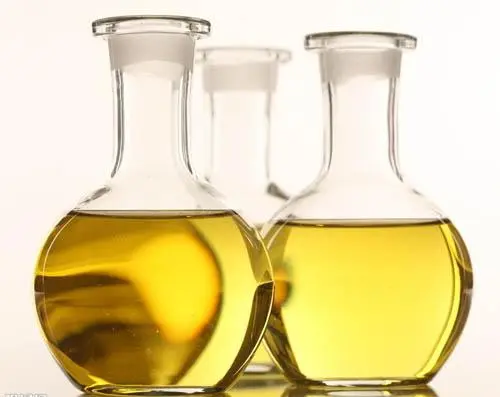 润滑油添加剂
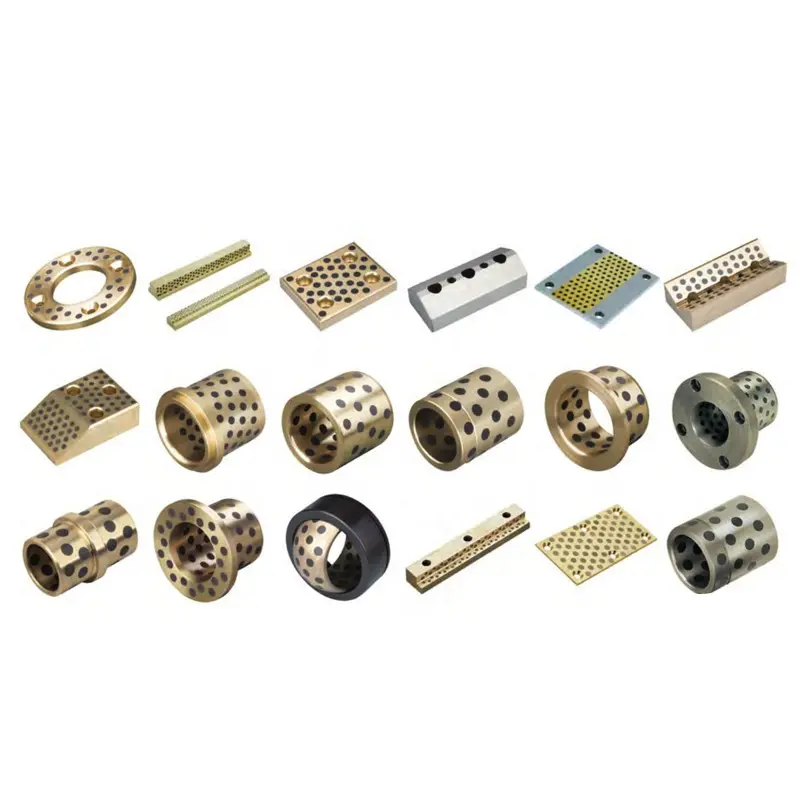 自润滑材料
自润滑材料
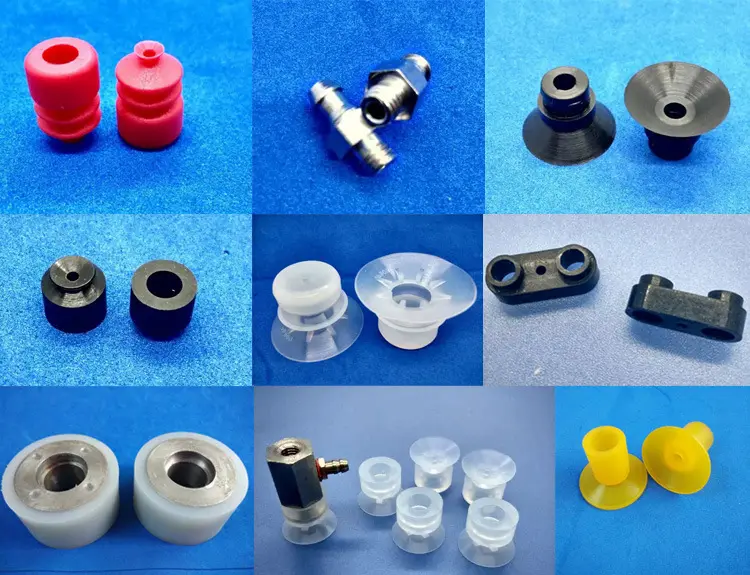 密封材料
密封材料
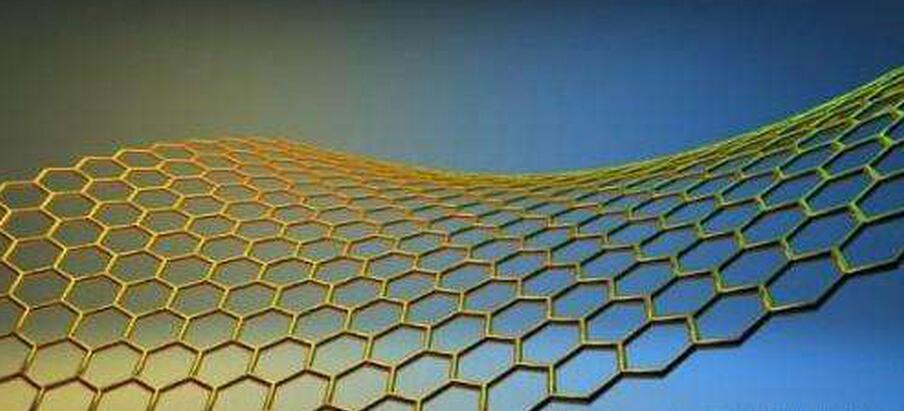 新兴材料
新兴材料
 加工设备
加工设备
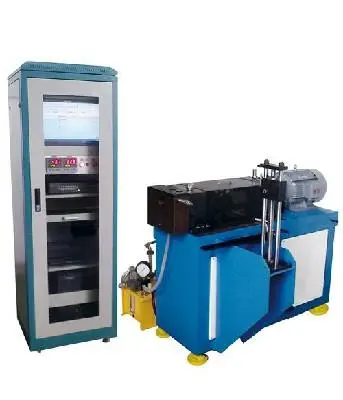 摩擦试验机
摩擦试验机
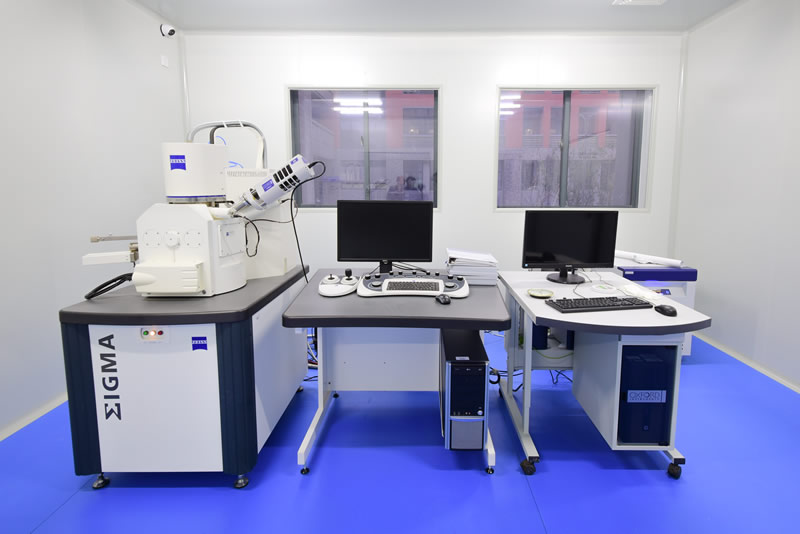 大型表征仪器
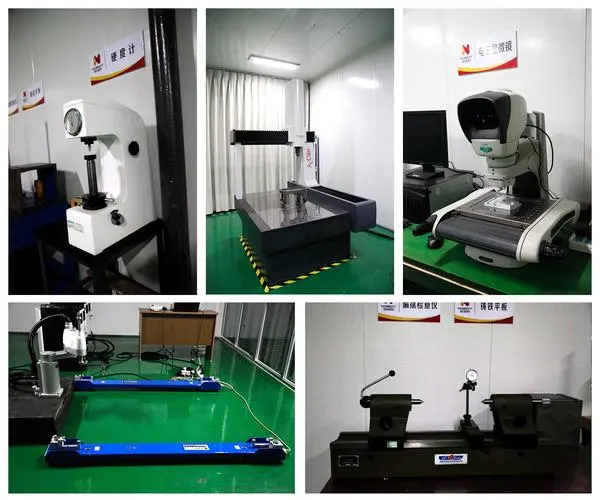 小型测试设备