The separation of emulsified oils containing surfactants from conventional materials poses challenges, thus necessitating the development of recyclable materials capable of absorbing such emulsified oils. The focus of this work is to prepare fabricate wettable cotton fabric (defined as P-GMA/SiO2/OA cotton) with demulsification ability through various strategies (polymer reduces porosity; octadecylamine provides hydrophobicity and lipophilicity; nanoparticles amplify wettability). The process involved the application of polymer glycidyl methacrylate onto the surface of untreated cotton through grafting. Subsequently, super hydrophobic silica was imprinted onto the treated surface, followed by the grafting of octadecylamine. In addition to superhydrophobicity and oleophilicity, the resulting P-GMA/SiO2/OA cotton exhibited exceptional mechanical stretching resistance, with a tensile strength measuring approximately 24.1 MPa. Additionally, it demonstrated resistance to both acidic and alkaline environments, as well as the ability to self-clean. P-GMA/SiO2/OA cotton exhibited the ability to separate layered oil mixture containing heptane, octane, undecane, dodecane and dichloromethane. Even after 500 cycles of oil absorption and desorption, the separation efficiency of the P-GMA/SiO2/OA cotton for the five different types of oil remained greater than 99.2%. The P-GMA/SiO2/OA cotton has also showed excellent performance in the separation of water-in-oil emulsions. This modified cotton has practical utility for the separation of surfactant-containing emulsified oil under actual operating conditions.
周老师: 13321314106
王老师: 17793132604


邮箱号码: lub@licp.cas.cn





 润滑剂
润滑剂
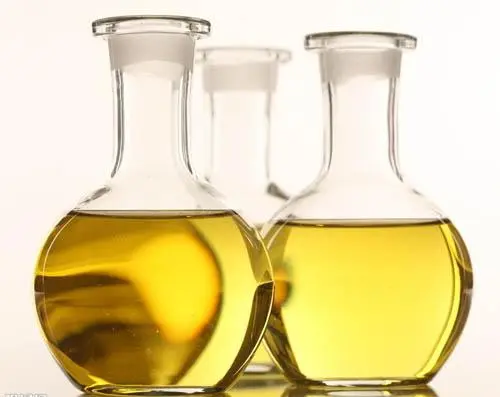 润滑油添加剂
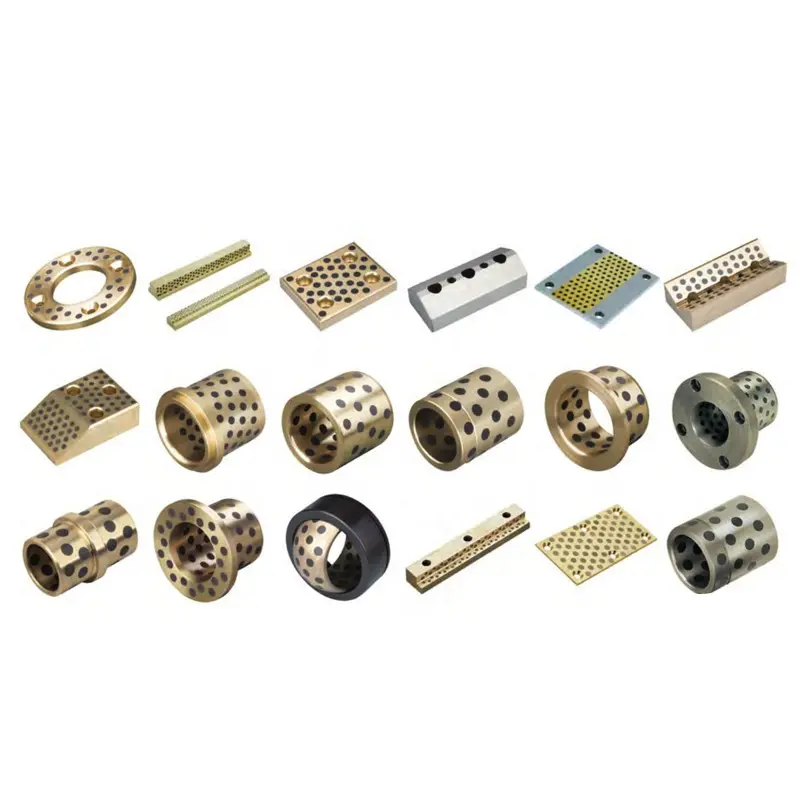 自润滑材料
自润滑材料
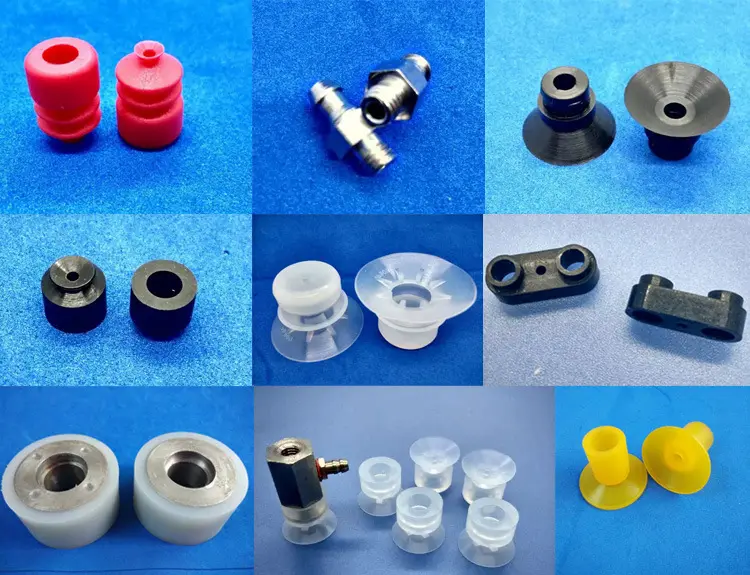 密封材料
密封材料
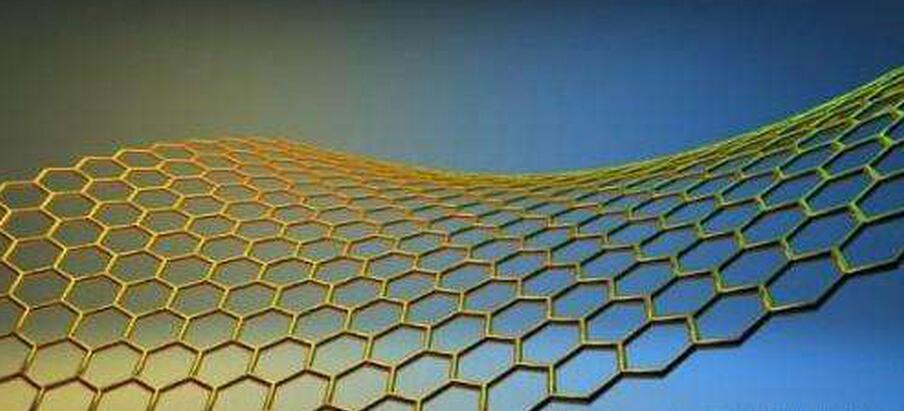 新兴材料
新兴材料
 加工设备
加工设备
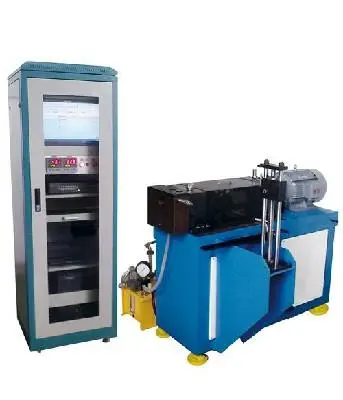 摩擦试验机
摩擦试验机
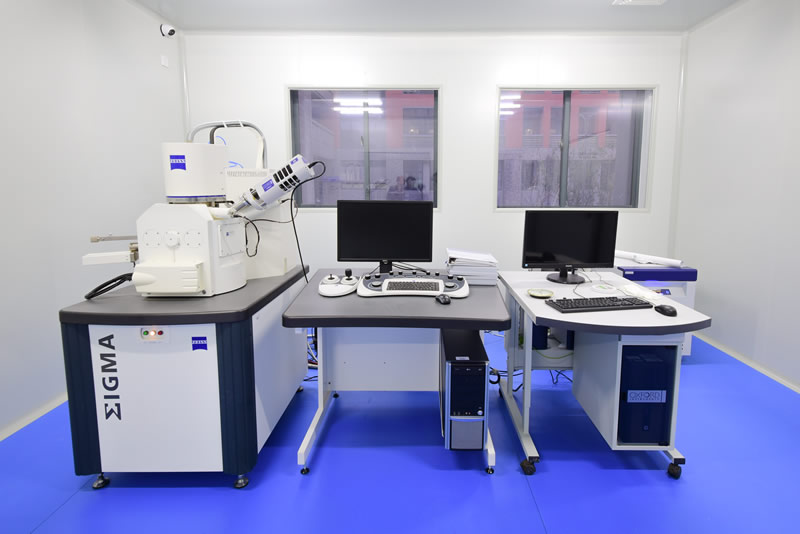 大型表征仪器
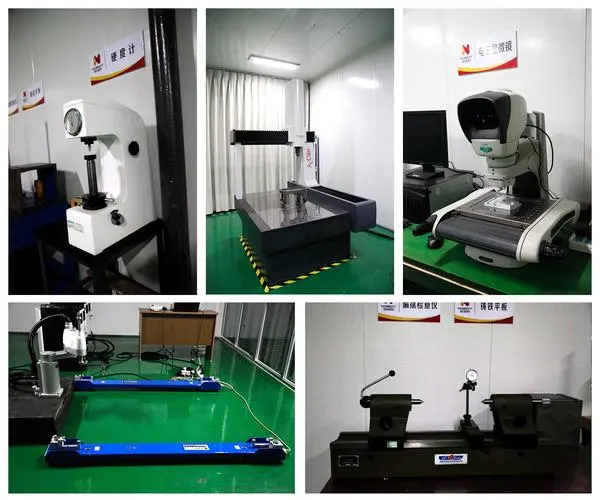 小型测试设备