Quasi-2D perovskites have attracted extraordinary attention for applications in solution-processable light-emitting diodes (LEDs). However, the performance of quasi-2D perovskite LEDs (PeLEDs) is limited by the wide n phases distribution and the inevitable defects in the emitting films. Herein, a novel bidentate organic molecule ethyl thiooxamate (ETO) with two different electron-rich functional moieties (C═O and C═S) as an additive is introduced in antisolvent ethyl acetate (EA) to achieve high quality quasi-2D perovskite (PEA2CsPb2I7) films. The unsaturated Pb defects caused by iodine vacancy (VI) and Pb-I (PbI) antisite can be simultaneously passivated though the synergistic action of the C═O and C═S moieties. Meanwhile, suppressing the formation of large n phases results in a more concentrated n phases distribution and improves the cascade energy transfer for boosting the excitons’ radiative recombination. As a result, the fabricated 656 nm pure red PeLEDs show a high maximum luminance of 6483 cd m−2 and a high peak external quantum efficiency of 20.73% with a CIE coordinate of (0.705, 0.293). The optimal device exhibits the superior performances to the reported red quasi-2D PeLEDs at ≈640–690 nm. This work provides a guidance for rational designing of multidentate organic molecules toward high performance quasi-2D PeLEDs.
周老师: 13321314106
王老师: 17793132604


邮箱号码: lub@licp.cas.cn





 润滑剂
润滑剂
 润滑油添加剂
 自润滑材料
自润滑材料
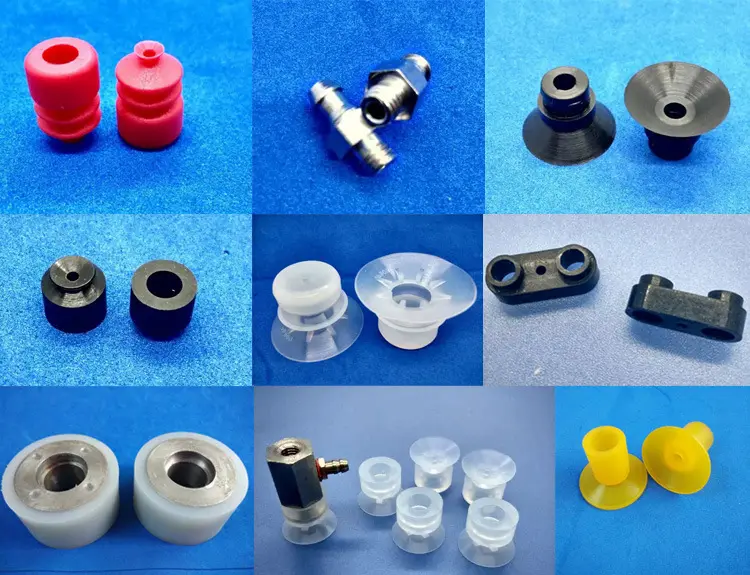 密封材料
密封材料
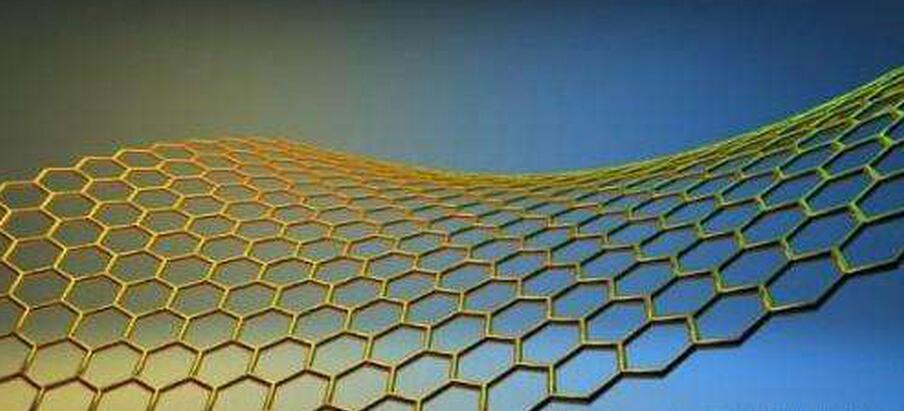 新兴材料
新兴材料
 加工设备
加工设备
 摩擦试验机
摩擦试验机
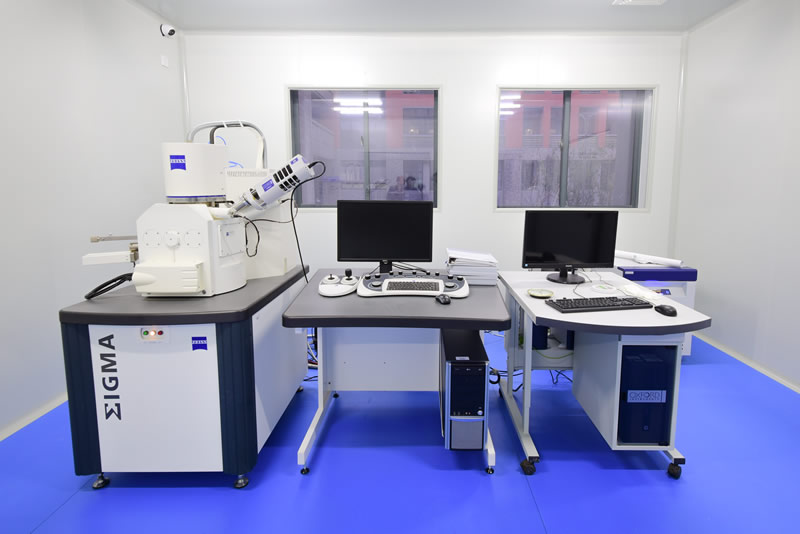 大型表征仪器
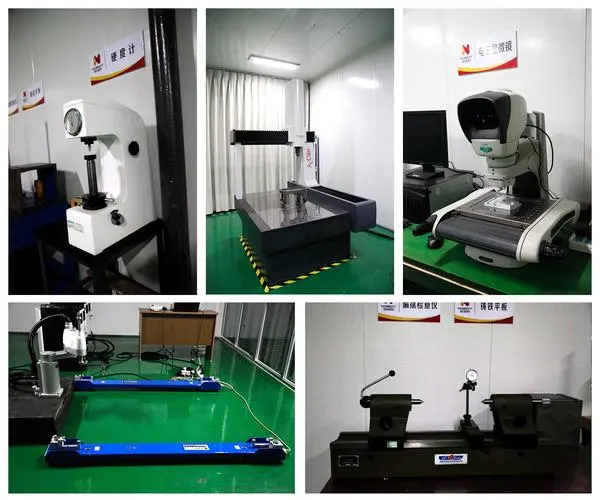 小型测试设备