Background Synovial fluid (SF) is commonly used for diagnostic and research purposes, as it reflects the local inflammatory environment. Owing to its complex composition and especially the presence of hyaluronic acid, SF is usually viscous and non-homogeneous. The presence of high molar mass hyaluronan (HA) in this fluid gives it the required viscosity for its function as lubricant solution. Viscosity is the greatest major hydraulic attribute of the synovial fluid in articular cartilage. Methods Empirical modeling of already published results was performed. In this study we explored the flow of non-Newtonian fluid that could be utilized to model the synovial fluid flow. Analyzing the flow in a simple geometry can help to explain the model's efficacy and assess the SF models. By employing some viscosity data reported from elsewhere we summarized the dynamic viscosity values of a normal human synovial fluid of knee joints in terms of time, after injection of hyaluronidase at 25°C. The suggested quadratic behavior was made by extrapolation. For a correct diagnosis or prediction, the comparison between the three specific parameters (ai, t0 and lnη0) for normal and pathological cases was made in the same experimental conditions for the treatment of addition of HYAL and for the investigation of rheological properties. A new model regarding variation of viscosity with time after injection of hyaluronidase on a synovial fluid of knee joints on normal Post-mortem samples at different velocity gradients, using previously data reported elsewhere, was proposed.The rheological behavior of the synovial fluid changes progressively over time from non-Newtonian to Newtonian profile where the viscosity has a limiting constant value (η0), independent of the gradient velocity at a unique characteristic time (t0 ≈8.5 hrs). The proposed three-parameter model, with physical meaning, is shedding light on for the future pathological cases. The outcome will open new perspectives for diagnosis, criteria, and prediction of types of pathological cases, through comparison with new parameter values, treated under the same experimental conditions as hyaluronidase injection.The proposed three-parameter model, with physical meaning, is shedding light on for the future pathological cases.
周老师: 13321314106
王老师: 17793132604


邮箱号码: lub@licp.cas.cn





 润滑剂
润滑剂
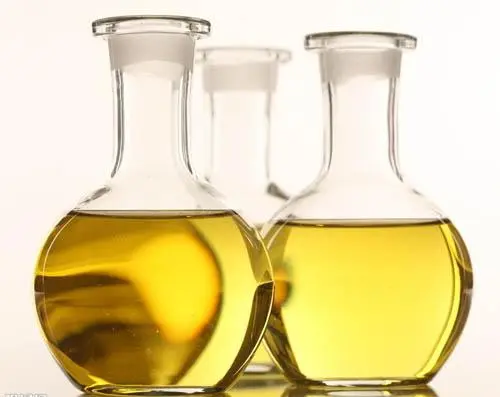 润滑油添加剂
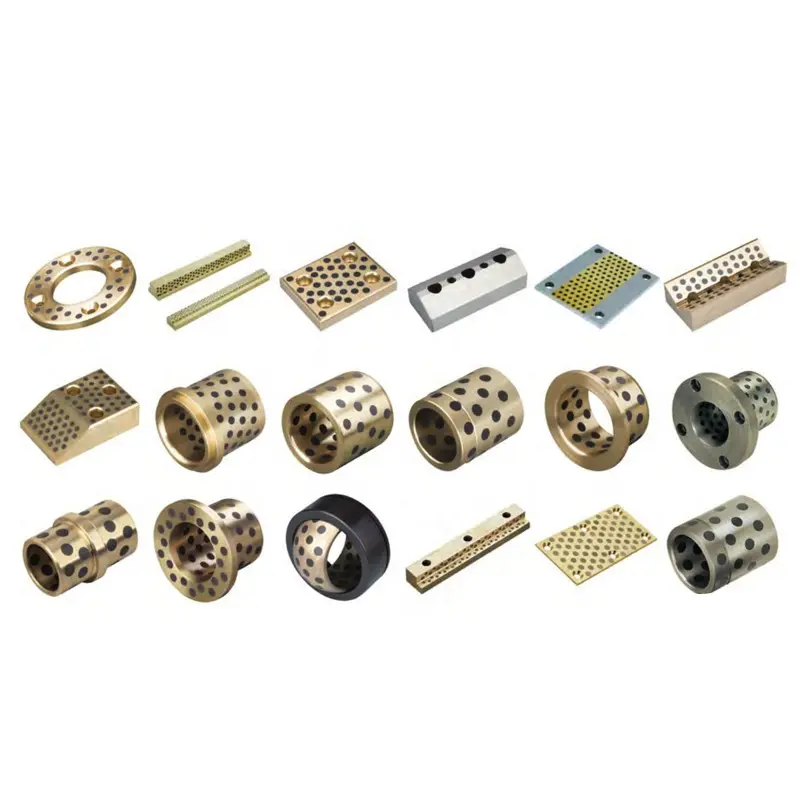 自润滑材料
自润滑材料
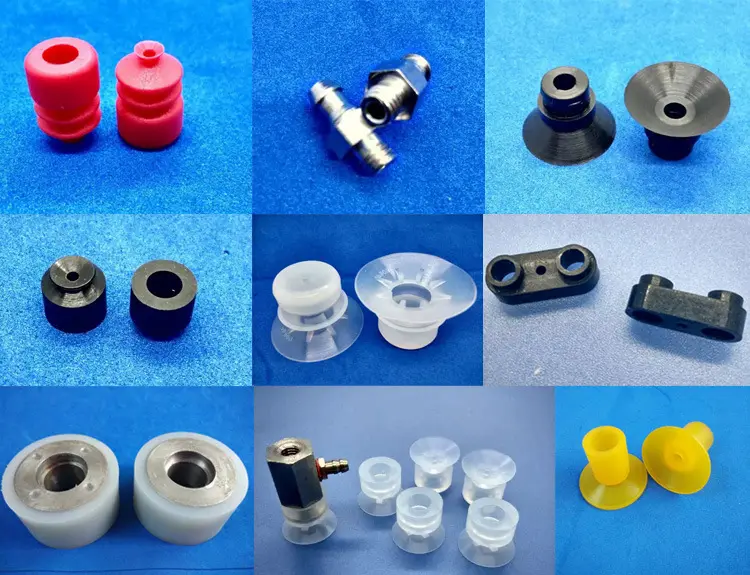 密封材料
密封材料
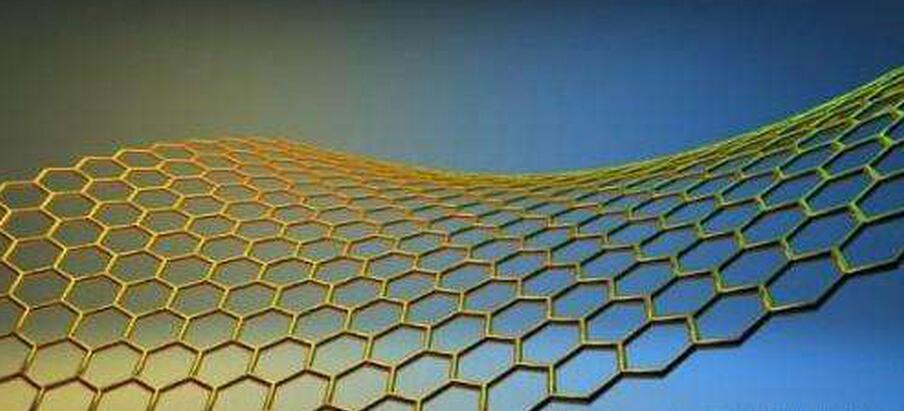 新兴材料
新兴材料
 加工设备
加工设备
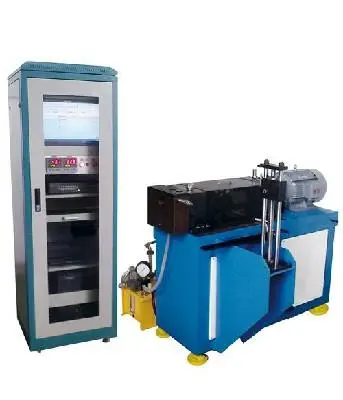 摩擦试验机
摩擦试验机
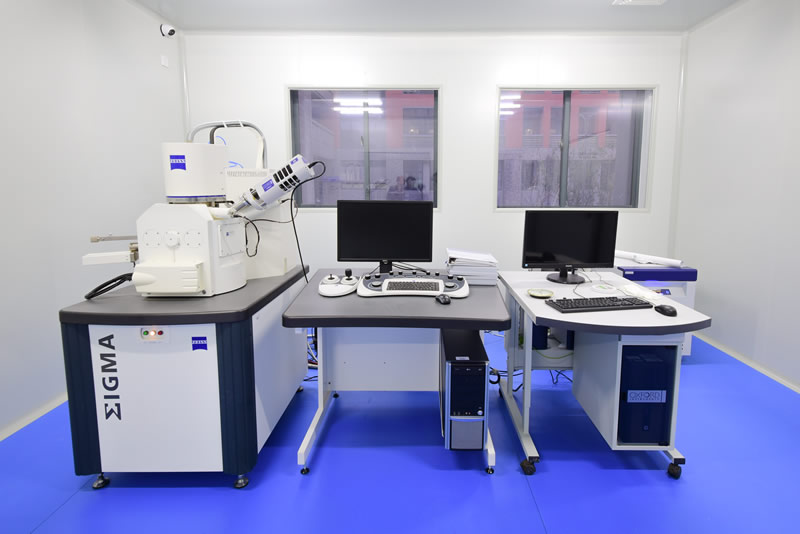 大型表征仪器
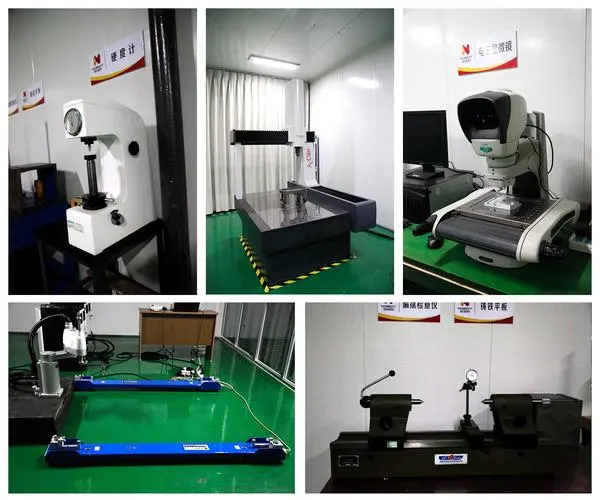 小型测试设备