Ti-6Al-4 V is commonly used in gas turbine engines and is sometimes subject to wear during operation. To address this, cost-effective and environmentally friendly solutions are being explored, with a focus on solid-state additive manufacturing techniques such as cold spray (CS). CS can create a dense structure; however, the existing porosity adversely affects the mechanical properties. To reduce the need for post-heat-treatment, this paper considers inner-diameter high- velocity air-fuel (ID_HVAF) as an alternative repair method which is a relatively low-temperature HVAF process that can deposit coatings with microstructures close to those observed in CS coatings. ID_HVAF process can deposit particles at high velocities and relatively low temperatures so that a significant portion of the particles forming the coatings are deposited in the solid state. This work is based on the deposition of Ti-6Al-4 V coatings using the ID_HVAF gun. During deposition, increasing the nozzle length increases the particle velocity and substrate temperature. The particles hit a softer surface with higher kinetic energy, thus increasing the density of the samples. However, HVAF will still oxidize some Ti-6Al-4 V particles and produce vanadium oxide. To study the tribological behavior, Ti-6Al-4 V counterballs were used to simulate the dovetail interface. According to the result, the top deposited layers were densified by the application of counterbalance force. Compared to an α-β Ti-6Al-4 V bulk sample, the coatings have a smaller wear track width and a greater wear depth, resulting in less wear on the counterballs. Each of the three samples shows a combination of abrasive and adhesive wear. The low cohesion between the particles in the coatings results in smaller oxide debris with a greater amount on the wear track of the coatings. By acting as a roller between the counter ball and the coating, this debris can slightly reduce the coefficient of friction.
周老师: 13321314106
王老师: 17793132604


邮箱号码: lub@licp.cas.cn





 润滑剂
润滑剂
 润滑油添加剂
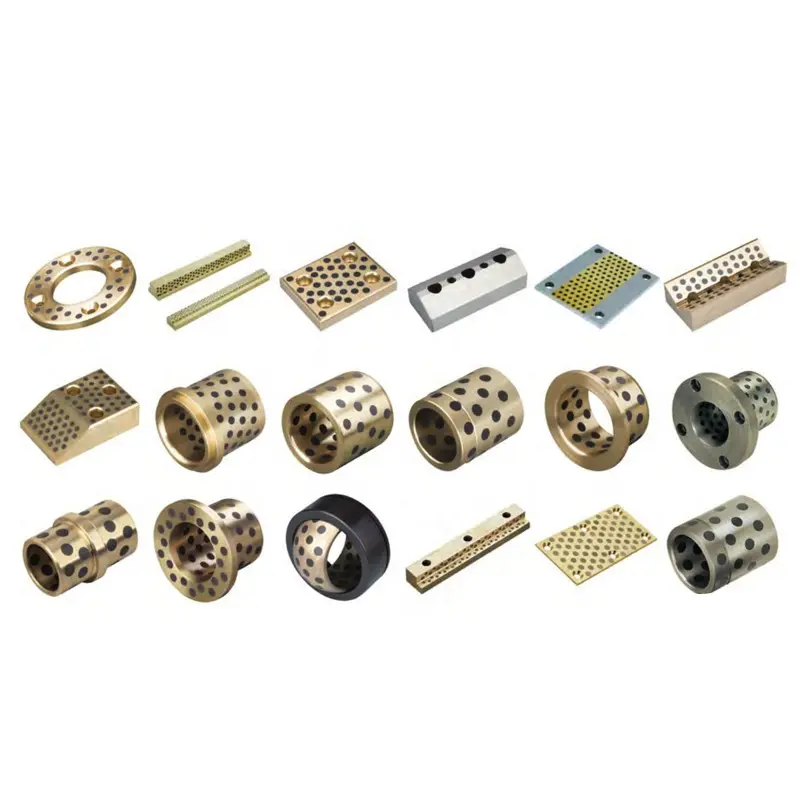 自润滑材料
自润滑材料
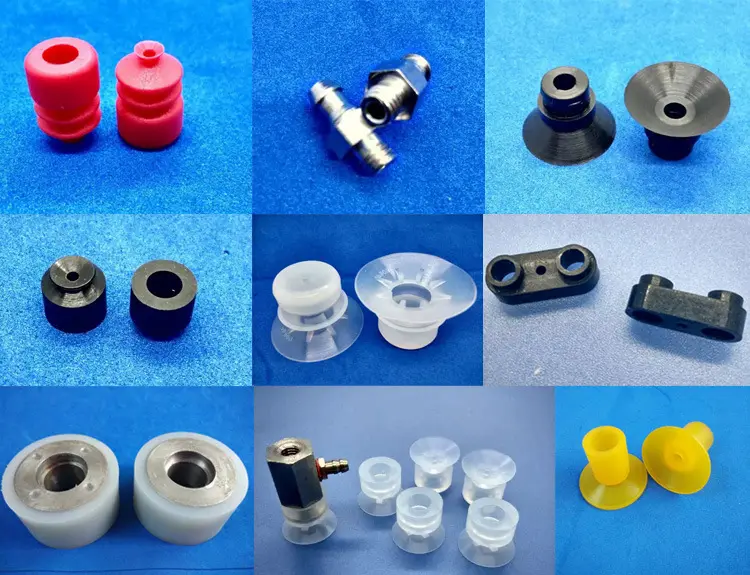 密封材料
密封材料
 新兴材料
新兴材料
 加工设备
加工设备
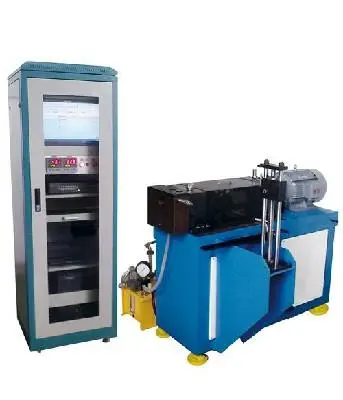 摩擦试验机
摩擦试验机
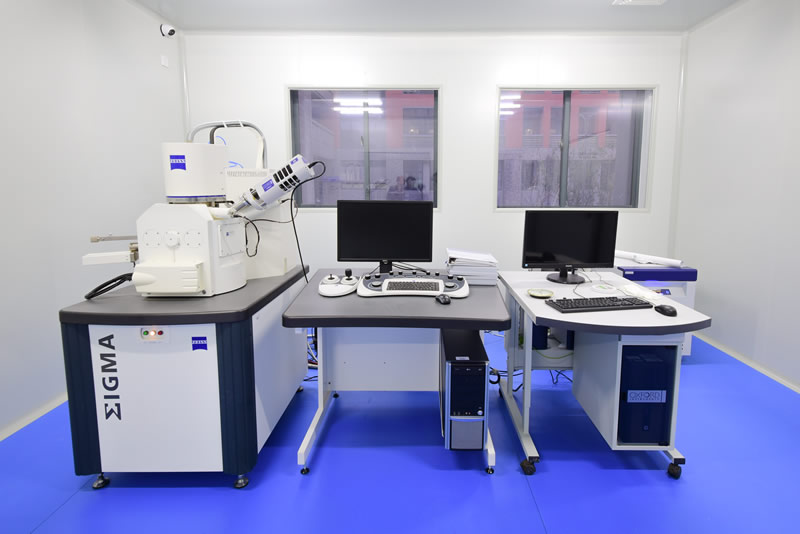 大型表征仪器
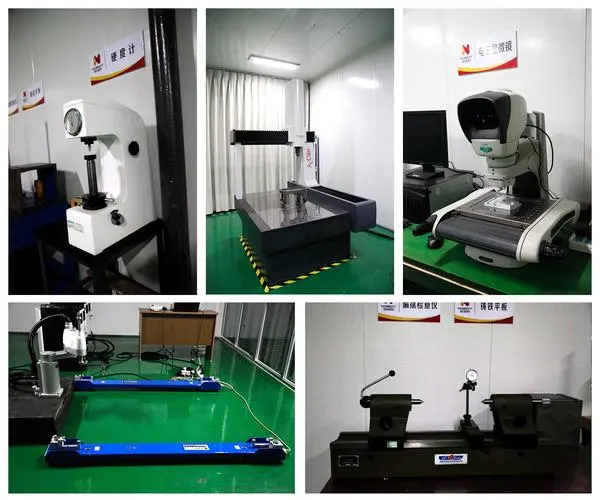 小型测试设备