In permafrost regions, two-phase closed thermosyphons (TPCTs) can be used to release heat from permafrost. TPCTs are thus embedded in foundations of infrastructures for preventing the permafrost thawing. The installation of a TPCT, however, greatly influences the efficiency of releasing heat, which has not been fully understood. To find an optimum installation for TPCTs, we experimentally studied the temperature differences and thermal resistances of a TPCT that was sequentially installed at an inclination angle of 0, 10, 20, 30, 40, 50, 60, 70, 80 and 90 degrees at subzero temperatures. It is found that the inner startup temperature difference varied irregularly with inclination angle. It is also found that at evaporator and condenser sections, the thermal resistance of the wall contributes negligibly to the thermal resistance of the corresponding section. Furthermore, the thermal resistances vary with inclination angle in the evaporator, adiabatic, and condenser sections. The adiabatic has a thermal resistance that is comparable to the thermal resistance of the evaporator and condenser sections except the inclination angle of 90 degrees. The TPCT has the minimum total thermal resistance when the inclination angle is about 20 degrees. The results could be helpful for the optimal application of TPCTs in permafrost engineering. (C) 2021 Elsevier Ltd. All rights reserved.
周老师: 13321314106
王老师: 17793132604


邮箱号码: lub@licp.cas.cn





 润滑剂
润滑剂
 润滑油添加剂
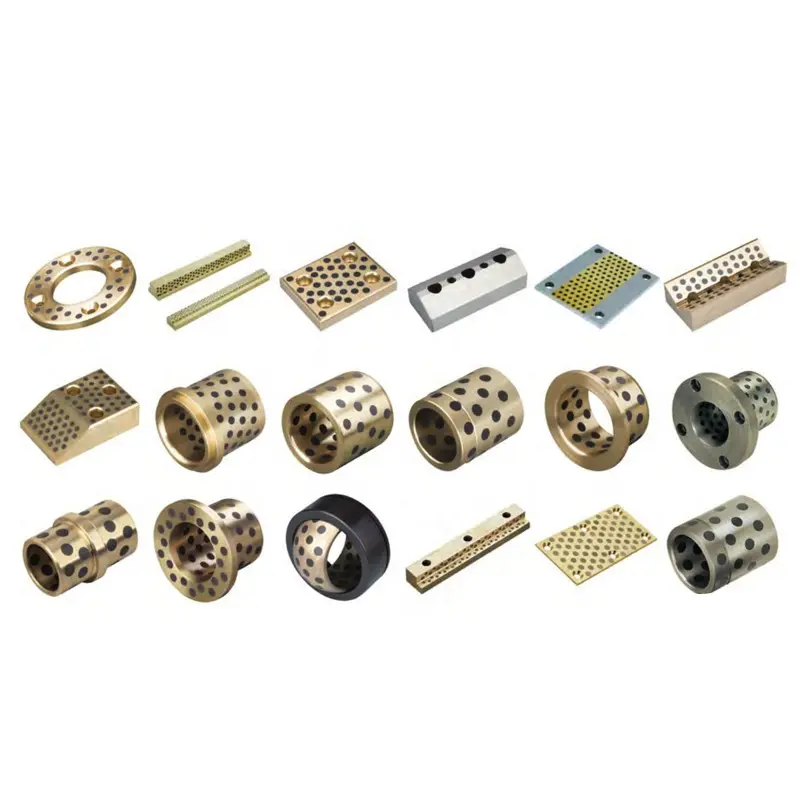 自润滑材料
自润滑材料
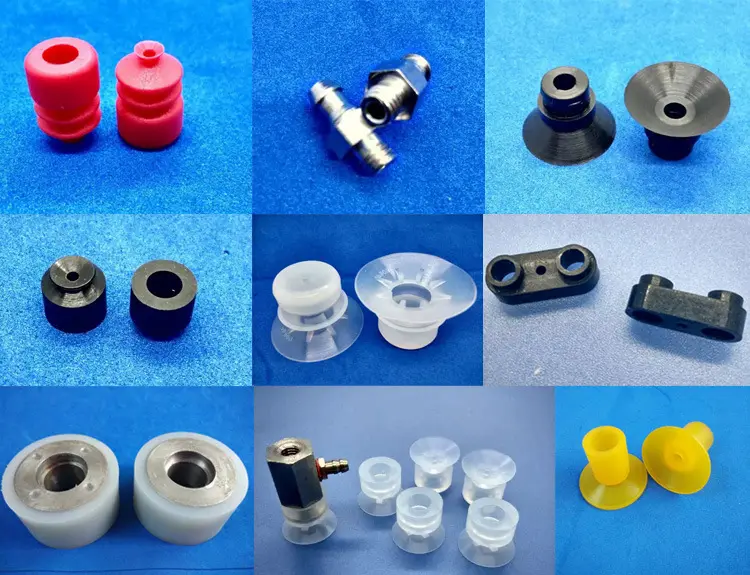 密封材料
密封材料
 新兴材料
新兴材料
 加工设备
加工设备
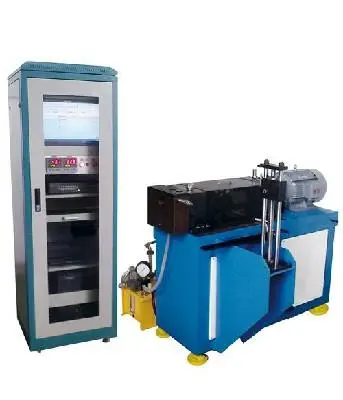 摩擦试验机
摩擦试验机
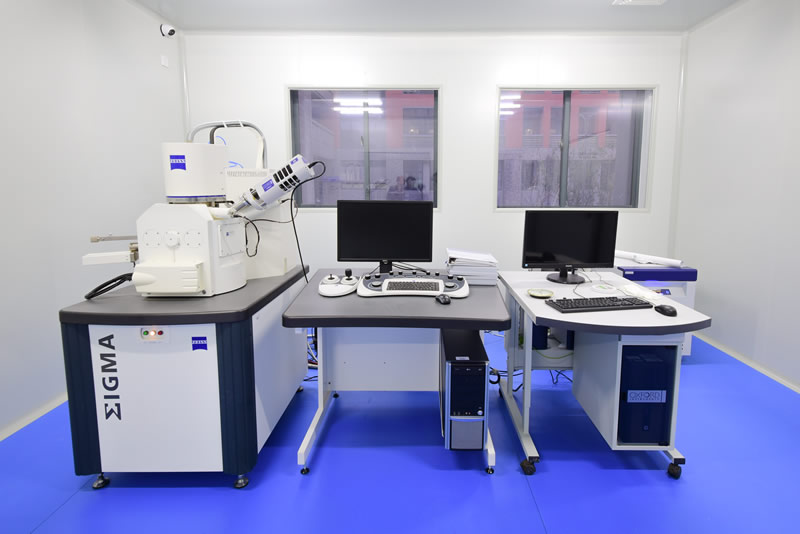 大型表征仪器
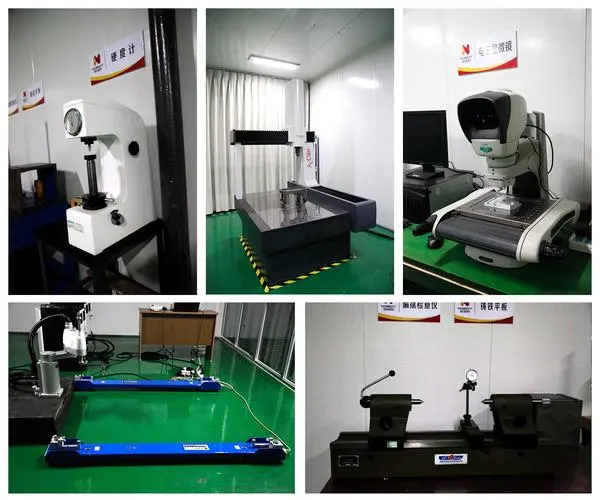 小型测试设备