Aqueous zinc-ion batteries (AZIBs) based on hydrogel electrolytes are considered promising flexible power supplies owing to their intrinsic safety, competent volumetric energy density, and eco-friendliness. However, severe mechanical deterioration of the hydrogel electrolytes caused by insufficient inter-component contact, zinc (Zn) dendrites, and freezing prevents their commercialization. Herein, it is found that, by doping a trace of Fe3+ ions to afford Fe3+-carboxylate supramolecular interaction, the practicality of an archetypal cellulose nanofiber-reinforced hydrogel electrolyte is significantly improved in a couple of aspects, including three and eight times increase in tensile strength and toughness without loss of ion conducting ability (up to 32 mS cm−1) and being room-temperature self-healable and strongly adhesive to various battery components. Together with the use of an anti-freezing mixed Zn salt, the resulting hydrogel electrolyte is able to deliver ultrahigh Zn cycling reversibility (averaging 99.4%), the great cyclability of AZIBs (a high specific capacity of 180 mAh g−1 and capacity retention of 81%), and render the batteries operable under severe abuse conditions of 180° folding, exposure to liquid nitrogen, and cutting–rehealing cycles. This work unlocks the enormous potential of Fe3+-carboxylate chemistry in the development of self-healable, anti-freezing, and extreme-environment-adaptable gel electrolytes for flexible energy storage devices.
周老师: 13321314106
王老师: 17793132604


邮箱号码: lub@licp.cas.cn





 润滑剂
润滑剂
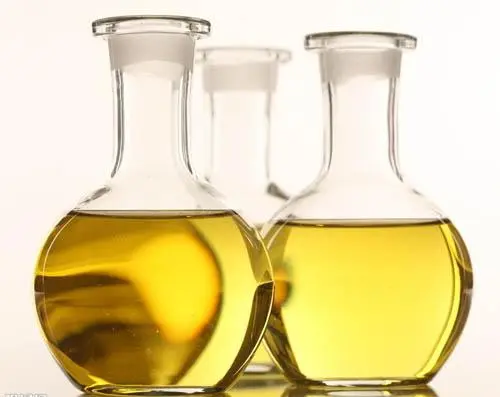 润滑油添加剂
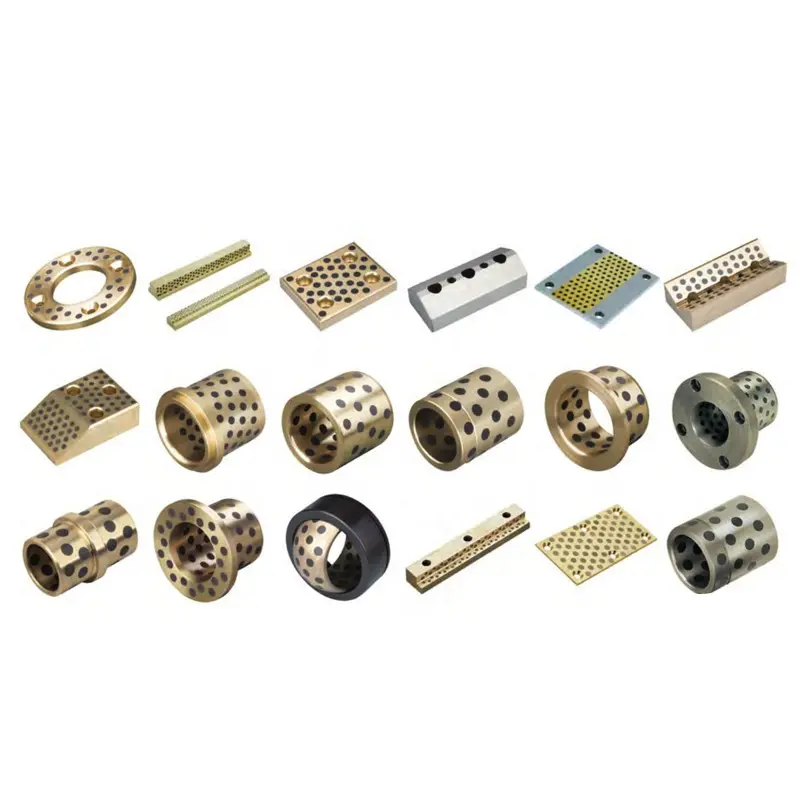 自润滑材料
自润滑材料
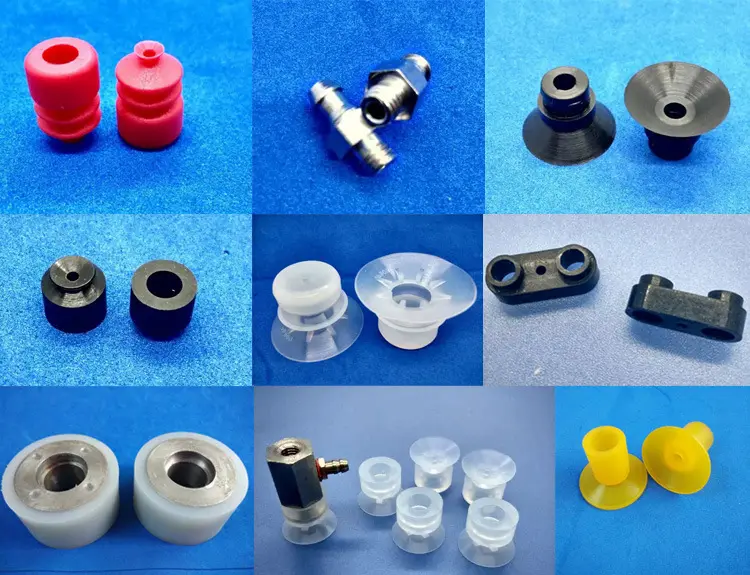 密封材料
密封材料
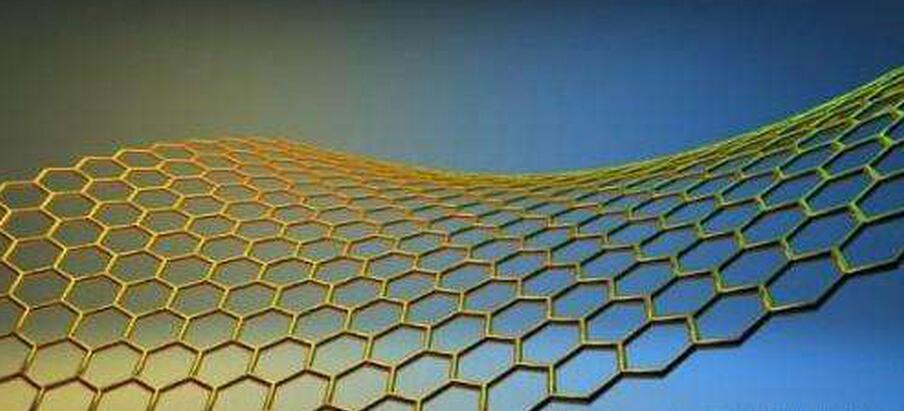 新兴材料
新兴材料
 加工设备
加工设备
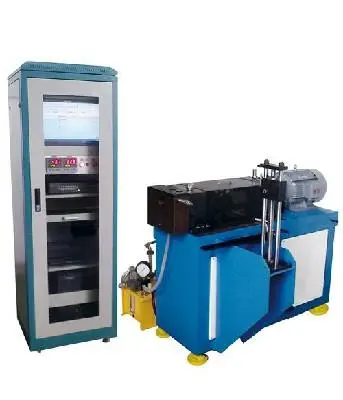 摩擦试验机
摩擦试验机
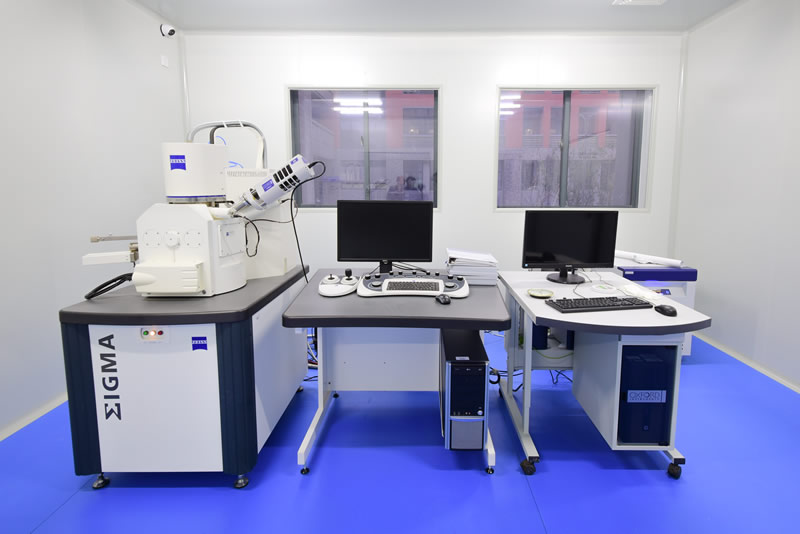 大型表征仪器
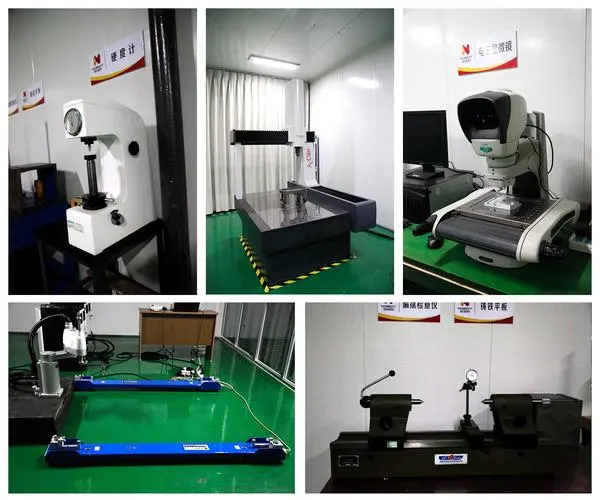 小型测试设备