Triboelectric nanogenerators convert the mechanical energy of human body motions into sustained electric powers, but the triboelectric effect is not yet integrated with pathological microenvironments. Herein, endogenous shear stress-responsive platforms are designed for tribocatalytic thrombolysis through sequential deposition of SiO2 and Au layer onto tetragonal barium titanate (tBT) nanoparticles (NPs), followed by SiO2 layer etching and surface grafting of arginine-glycine-aspartic acid (RGD) to obtain yolk–shell-structured tBT@Au-RGD NPs. High-frequency frictions and collisions between tBT yolks and Au shells continuously stimulate electron–hole pairs and reactive oxygen species (ROS) generations, and the dynamic Schottky junctions provide electron channels from tBT to Au to inhibit electron–hole recombinations. The piezopotential of tBT further promotes electron–hole separations and acts synergistically with tribovoltaic ROS generation for degrading fibrin networks of thrombi. In a loop-closed flow system demonstrates shear stress-adaptable ROS generations under embolization degrees from 20% to 80%. In a carotid thrombosis model RGD grafts increase NP accumulations four folds at the thrombus site after 24 h of intravenous administration, and the stenosis degree is reduced to 3.99% with complete blood vessel recanalization and negligible bleeding risk and systemic toxicity. This study is the first attempt to demonstrate endogenous stimuli-induced tribovoltaic and piezoelectric effects for tribocatalytic disease treatment.
周老师: 13321314106
王老师: 17793132604


邮箱号码: lub@licp.cas.cn





 润滑剂
润滑剂
 润滑油添加剂
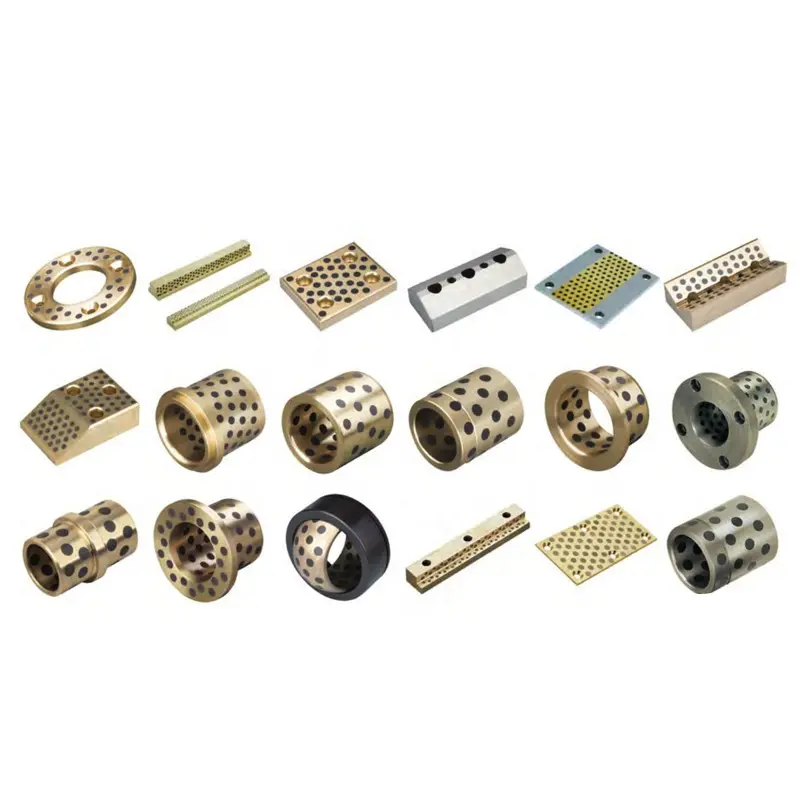 自润滑材料
自润滑材料
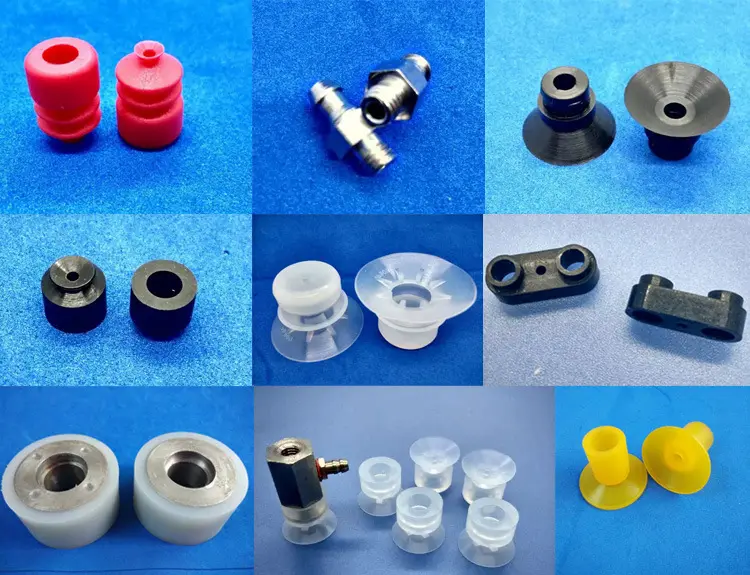 密封材料
密封材料
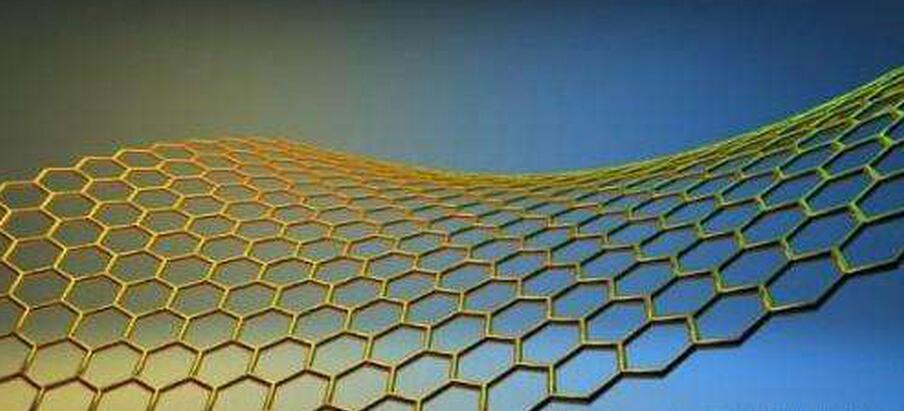 新兴材料
新兴材料
 加工设备
加工设备
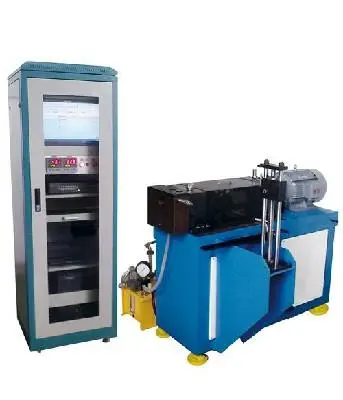 摩擦试验机
摩擦试验机
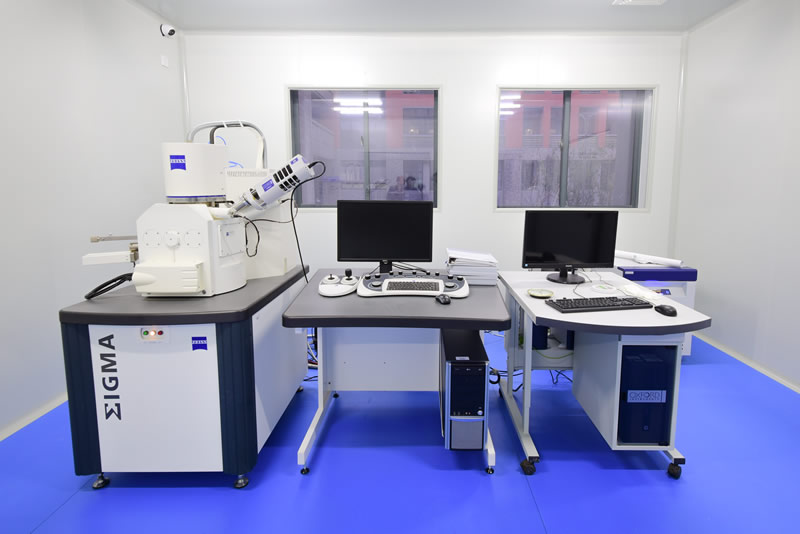 大型表征仪器
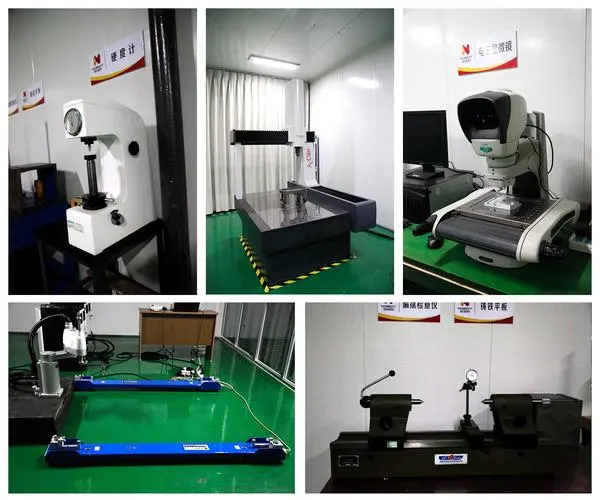 小型测试设备