Polytetrafluoroethylene (PTFE) improves friction and wear performance by forming a transfer film on counterfaces. However, its high wear rates reduce the fitting accuracy and limit its service life. Adding fillers to PTFE can significantly lower its wear rate. Early theory suggests that fillers reduce wear by providing preferential load support and preventing the development and propagation of subsurface cracks. However, this theory cannot explain the ultra-low wear behavior of some nano fillers and lamellar fillers, and it is also found that the model ignored the effect of the transfer film. With the in-depth study of the wear reduction mechanism, it has been revealed that the ultra-low wear behavior of these fillers is closely related to tribochemistry and the formation of the transfer film. Moreover, research has shown that the type of filler affects the tribological properties of composites. Therefore, it is essential to investigate the wear-reduction mechanisms of different fillers. In this study, we investigated the wear reduction mechanisms of four representative filler-filled PTFE composites, which included carbon-based materials, metals, polar polymers, and non-polar polymers. The results show that (1) the accumulation and preferential load support of fillers on the polymer surface determine its wear resistance, and (2) filler-induced PTFE chain breakage promotes tribochemistry and facilitates the formation of adherent transfer films. Based on these findings, recommendations are provided for the design of low-wear PTFE friction systems. Graphical Abstract
周老师: 13321314106
王老师: 17793132604


邮箱号码: lub@licp.cas.cn





 润滑剂
润滑剂
 润滑油添加剂
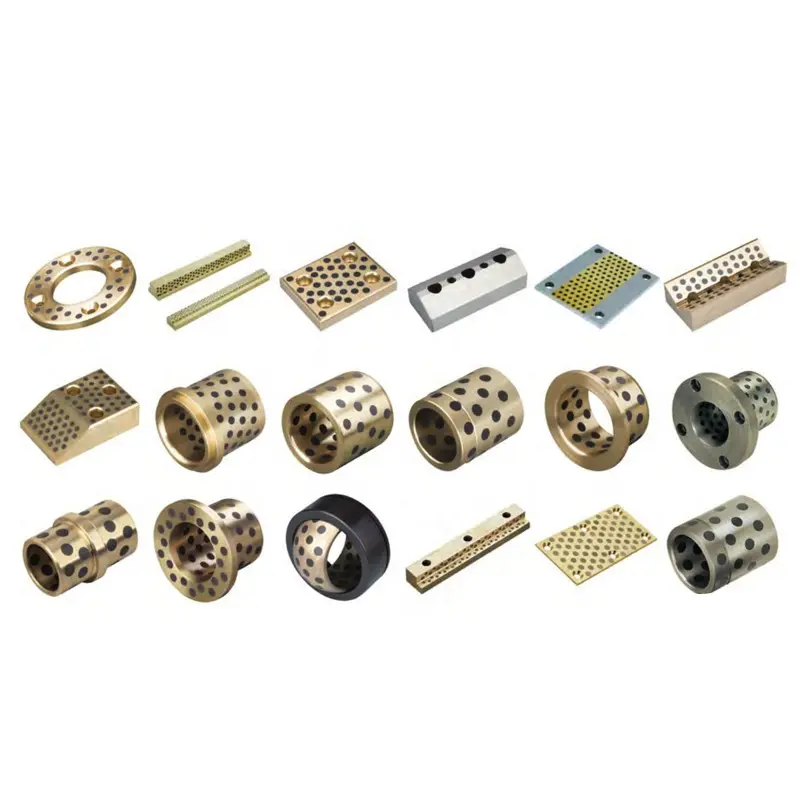 自润滑材料
自润滑材料
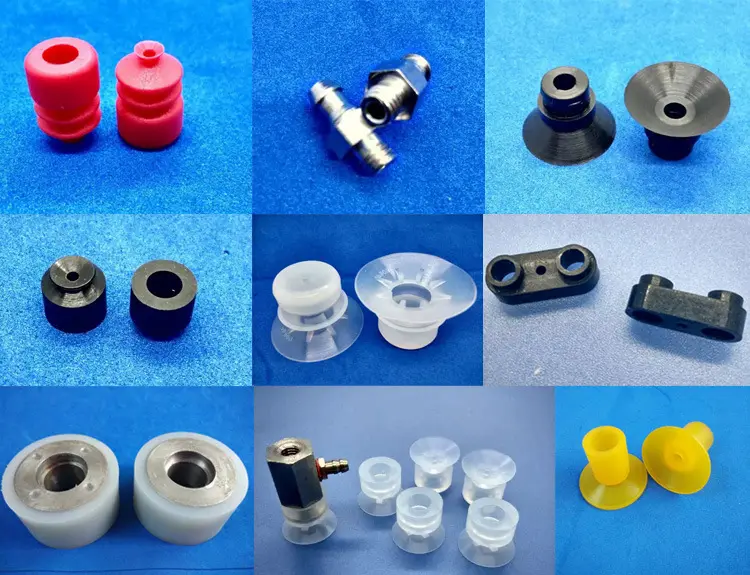 密封材料
密封材料
 新兴材料
新兴材料
 加工设备
加工设备
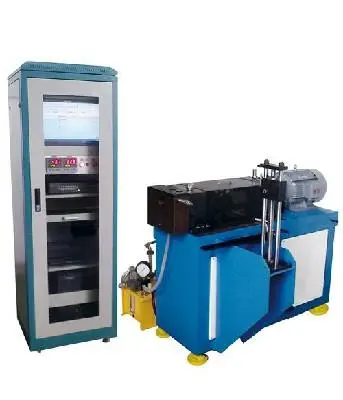 摩擦试验机
摩擦试验机
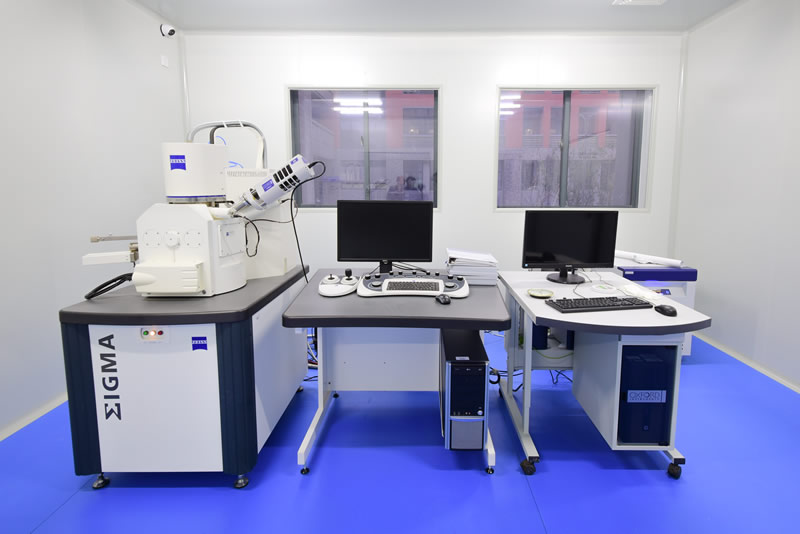 大型表征仪器
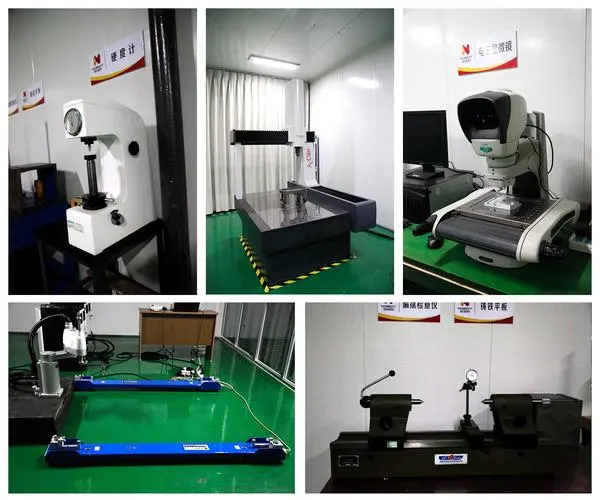 小型测试设备