With the rapid advancement of hydrogel-based flexible electronics, multifunctional hydrogels with an emphasis on environmental sustainability have attracted growing attention. In this work, a starch-based hydrogel featuring a multi-bond network structure—composed of amylopectin, polyvinyl alcohol, borax, and MXene nanosheets—is prepared via a simple, scalable kneading method using a roller machine. The reversible crosslinking from hydrogen bonding and electrostatic interactions, along with MXene nanosheets acting as stress-transfer centers, endow the hydrogel with exceptional stretchability (∼6151%), high electrical conductivity, fast self-healing, and strong adhesion. The resulting capacitive sensor exhibits high sensitivity (gauge factor = 1.1), a broad sensing range (up to 300%), and excellent durability, allowing accurate detection of physiological signals. It also enables Morse code-based encryption of letters, numbers, and punctuation, highlighting its potential in wearable and secure communication technologies. Notably, the hydrogel biodegrades in natural soil within 20 days, addressing electronic waste concerns. This study presents a recyclable, high-performance hydrogel with broad application prospects in flexible electronics, healthcare monitoring, and assistive communication.
周老师: 13321314106
王老师: 17793132604


邮箱号码: lub@licp.cas.cn





 润滑剂
润滑剂
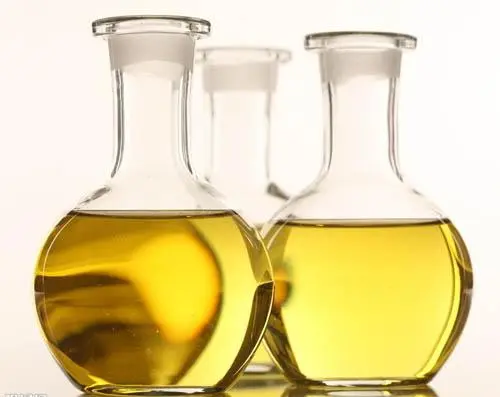 润滑油添加剂
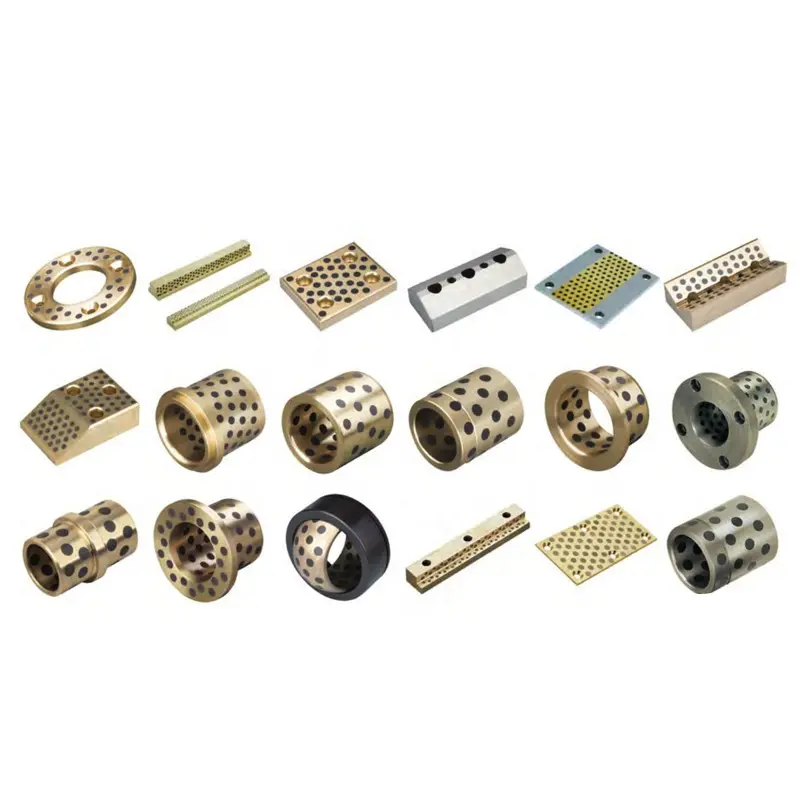 自润滑材料
自润滑材料
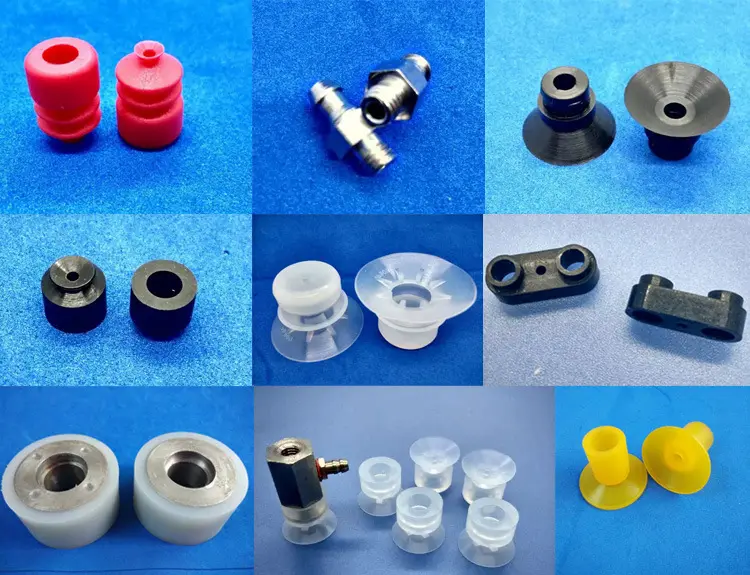 密封材料
密封材料
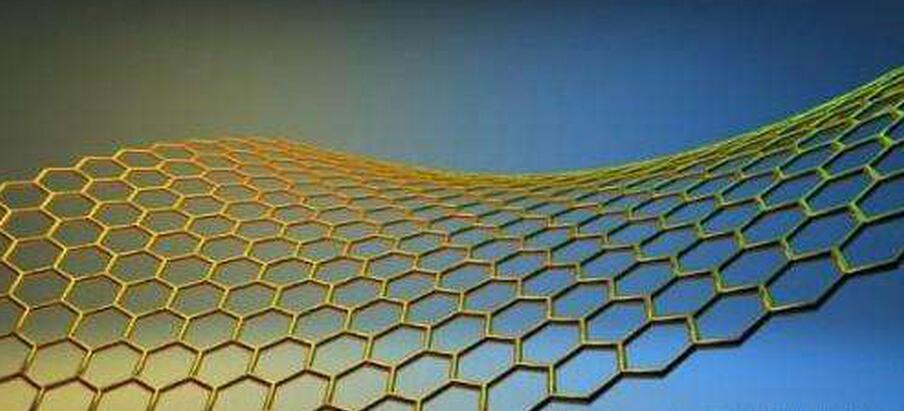 新兴材料
新兴材料
 加工设备
加工设备
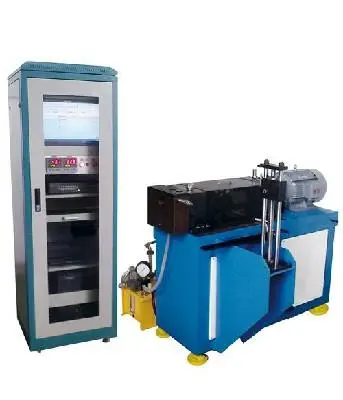 摩擦试验机
摩擦试验机
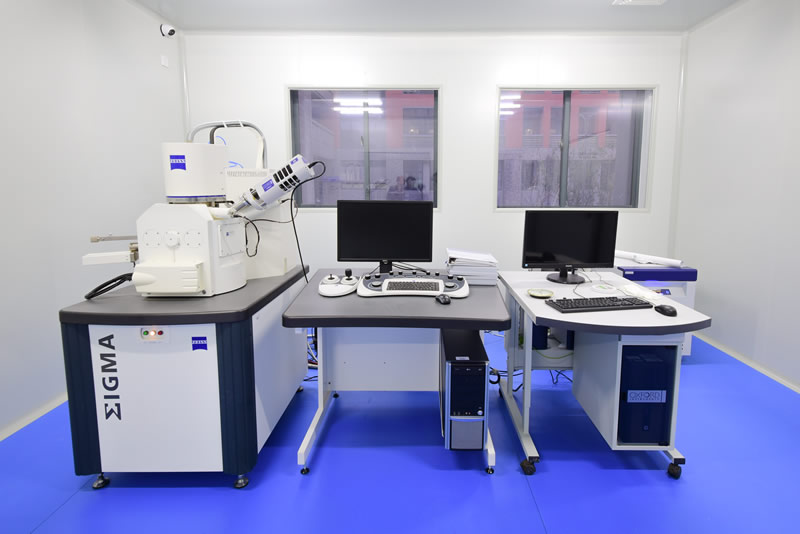 大型表征仪器
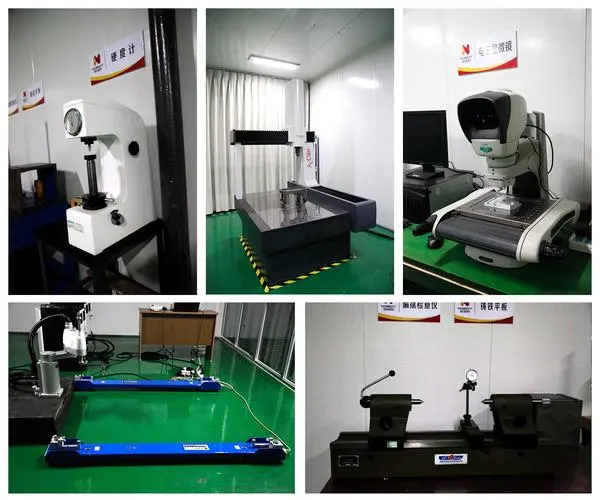 小型测试设备