Water-glycol hydraulic fluid (HFC), mainly composed of polar molecules, can be miscible with any proportion of seawater, thereby reducing the risk of seawater intrusion caused by seal failure in deep-sea hydraulic systems. Meanwhile, HFC has the potential to be applied in deep-sea hydraulic systems owing to its flame retardancy and environmental performance. This paper proposes SiC/Si 3N 4 as the material for the plunger chamber/plunger of hydraulic pumps with HFC. The friction characteristics of SiC/Si 3N 4 in HFC with a kinematic viscosity of 32cSt containing four different concentrations (0 %, 3 %, 7 %, 11 % V/V) of seawater and deionized water were studied. SiC/Si 3N 4 has a low friction coefficient of 0.006 in HFC, and there is almost no surface wear after 6 h of testing. The excellent friction performance is attributed to the hydrophilic surface of ceramics adsorbing HFC to form a lubricating layer. However, the decrease in viscosity leads to a reduction in the load-bearing capacity of the lubricating layer formed by HFC, resulting in increased wear. The friction coefficient first increased and then decreased with the increase in seawater content. The adsorption of cations in seawater on the surface of Si 3N 4 reduces its hydrophilicity, thereby reducing the performance of the HFC lubricating layer. The byproduct formed by ions in seawater deposited on the surface of Si 3N 4 acts as a solid lubricant during direct contact with the contact surface.
周老师: 13321314106
王老师: 17793132604


邮箱号码: lub@licp.cas.cn





 润滑剂
润滑剂
 润滑油添加剂
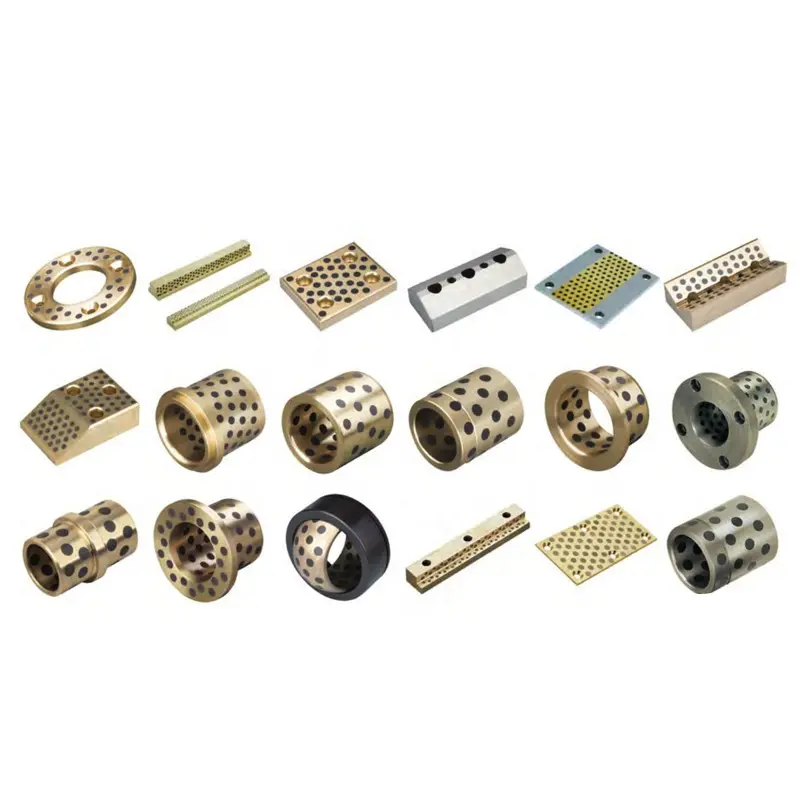 自润滑材料
自润滑材料
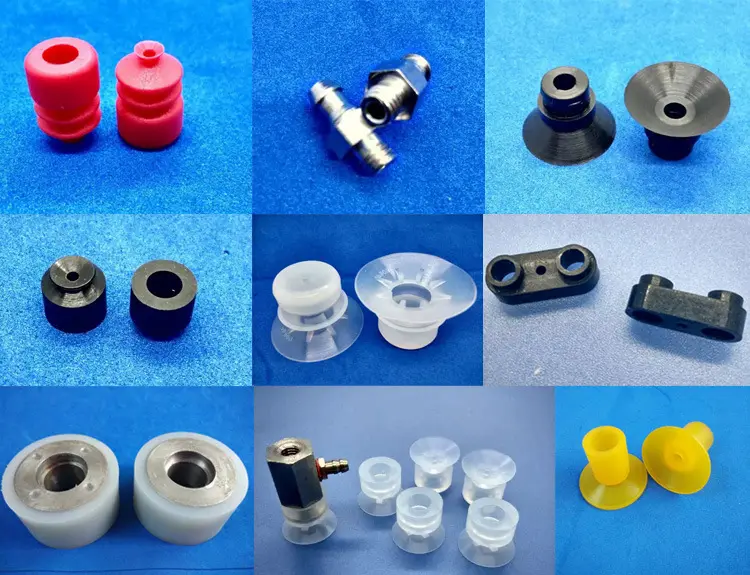 密封材料
密封材料
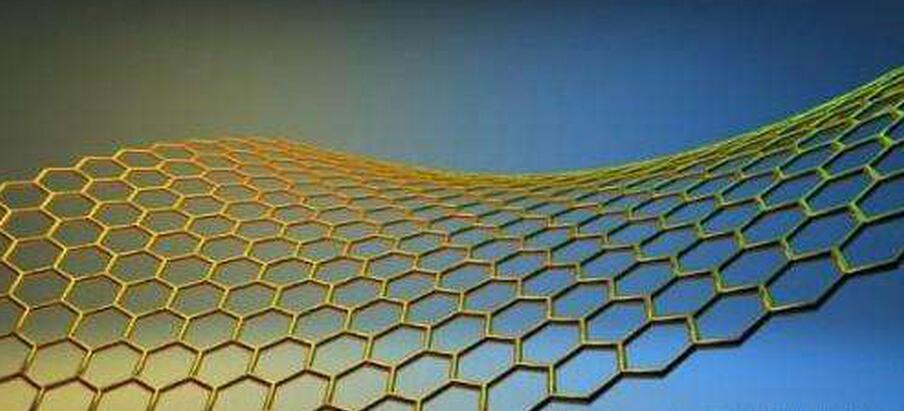 新兴材料
新兴材料
 加工设备
加工设备
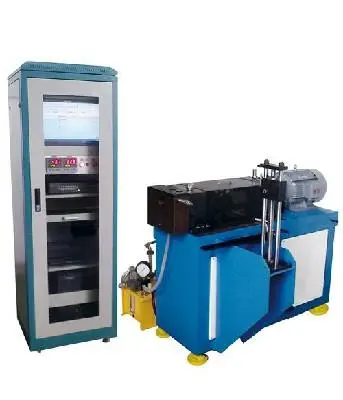 摩擦试验机
摩擦试验机
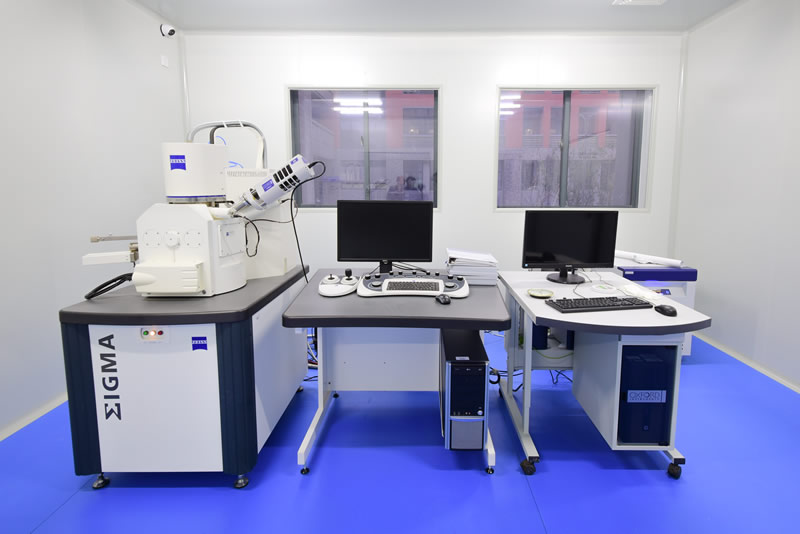 大型表征仪器
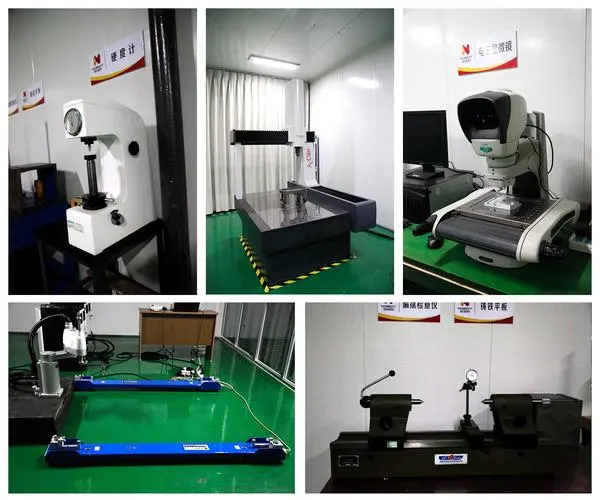 小型测试设备