Disordered metamaterials have gained prominence in engineering applications owing to their exceptional strength-to-weight ratios and tunable mechanical behaviors. However, the inherent structural heterogeneity of these metamaterials often induces stress localization, creating fracture-prone regions that compromise structural reliability. To address this challenge, a self-organized generation algorithm is proposed beyond conventional unit-cell-based architectures, enabling the customization of disordered mechanical metamaterials. Fracture-prone regions are evaluated by geodesic edge betweenness centrality (GEBC) metrics, and are optimized by node connectivity adjustment and preferential short-bond redistribution. Remarkably, increasing short-bond frequency resulted in simultaneous enhancement of fracture toughness and ultimate strength while maintaining constant mass density. This study provides new insights into the design of amorphous architected materials, establishing a computational framework for designing disorder metamaterials with damage-tolerant characteristics.
周老师: 13321314106
王老师: 17793132604


邮箱号码: lub@licp.cas.cn





 润滑剂
润滑剂
 润滑油添加剂
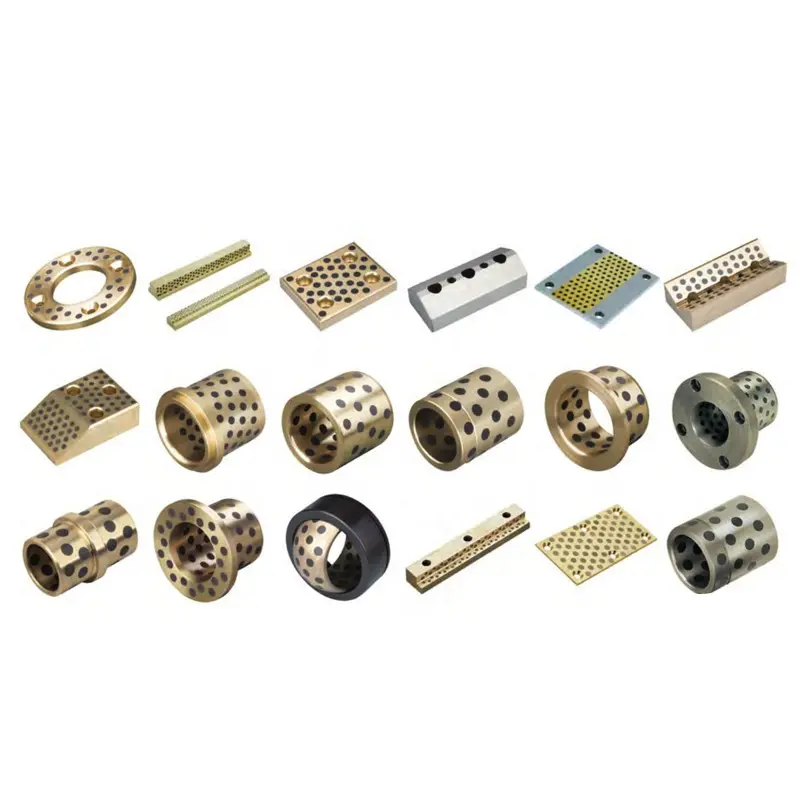 自润滑材料
自润滑材料
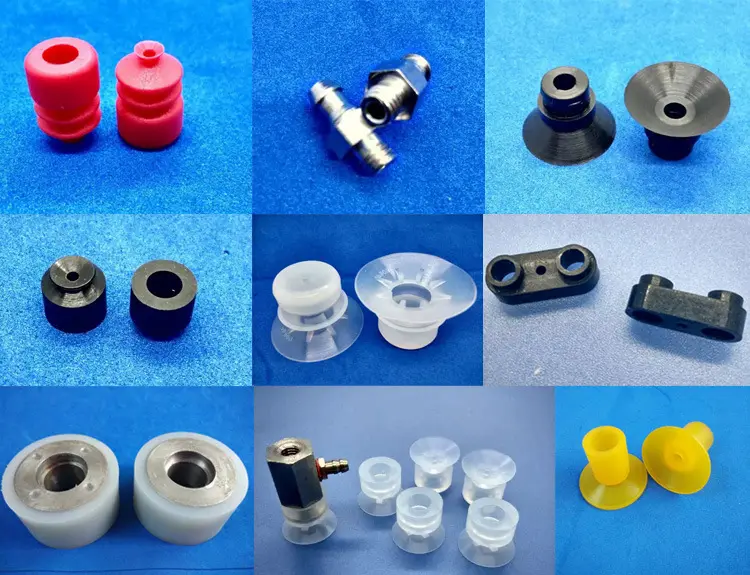 密封材料
密封材料
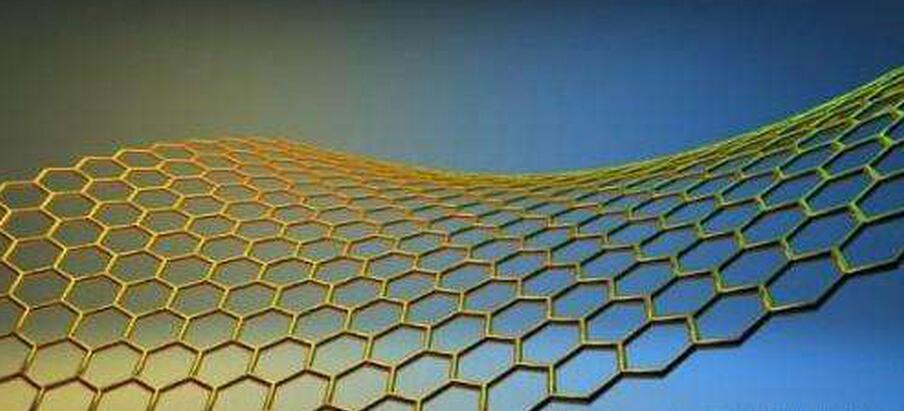 新兴材料
新兴材料
 加工设备
加工设备
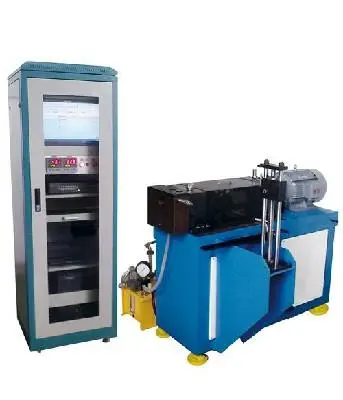 摩擦试验机
摩擦试验机
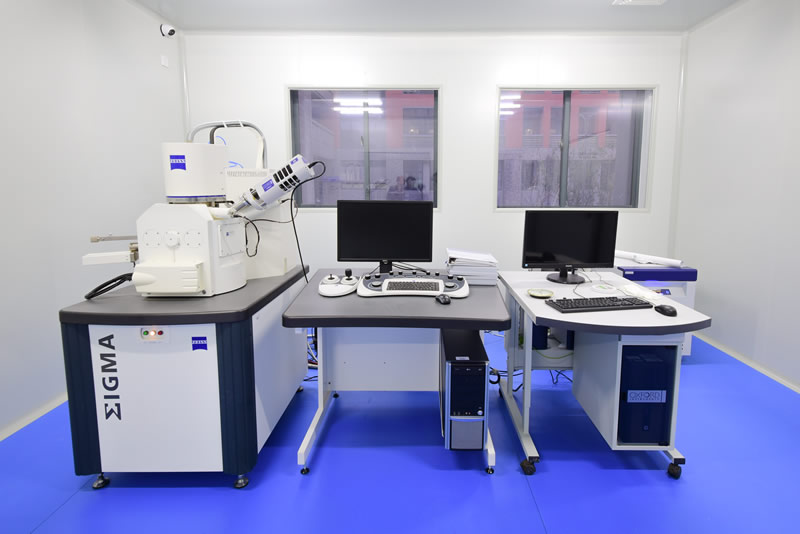 大型表征仪器
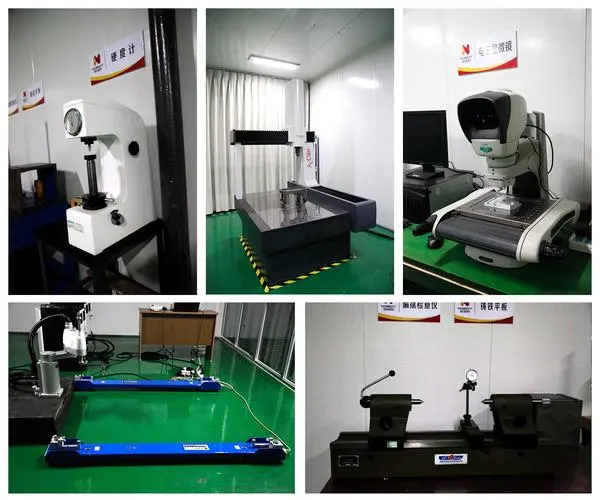 小型测试设备