Real-time regulation of friction from conventional dry states to ultra-low levels represents a critical strategy for improving energy efficiency and enabling the intelligent design of adaptive systems. Yet, current friction-control methods typically achieve only modest modulation and often rely on liquid lubricants at macroscopic scales, which impose stringent sealing requirements and limit practical applications. Here, an electric-field strategy is reported for friction modulation using a polyvinyl alcohol-based ionic hydrogel as an electroresponsive frictional material. During sliding against a metal ball, the friction coefficient (COF) can be reversibly modulated by more than fifty-fold under low voltage control (−30 V to +30 V), without the need for external lubricants. Remarkably, the COF decreases to 0.03 at −30 V (with the metal ball connected to the negative pole), while at 0 V or +30 V it increases to 1–2. Mechanistic analyses reveal that positive charging of the ionic hydrogel triggers electroosmotic extraction of a salt-rich interfacial layer, driving the dramatic reduction in friction. It further demonstrates the first crawling robot and precision robotic arm manipulation powered by electrotunable friction, establishing a new paradigm for adaptive and energy-efficient robotic and mechanical systems.
周老师: 13321314106
王老师: 17793132604


邮箱号码: lub@licp.cas.cn





 润滑剂
润滑剂
 润滑油添加剂
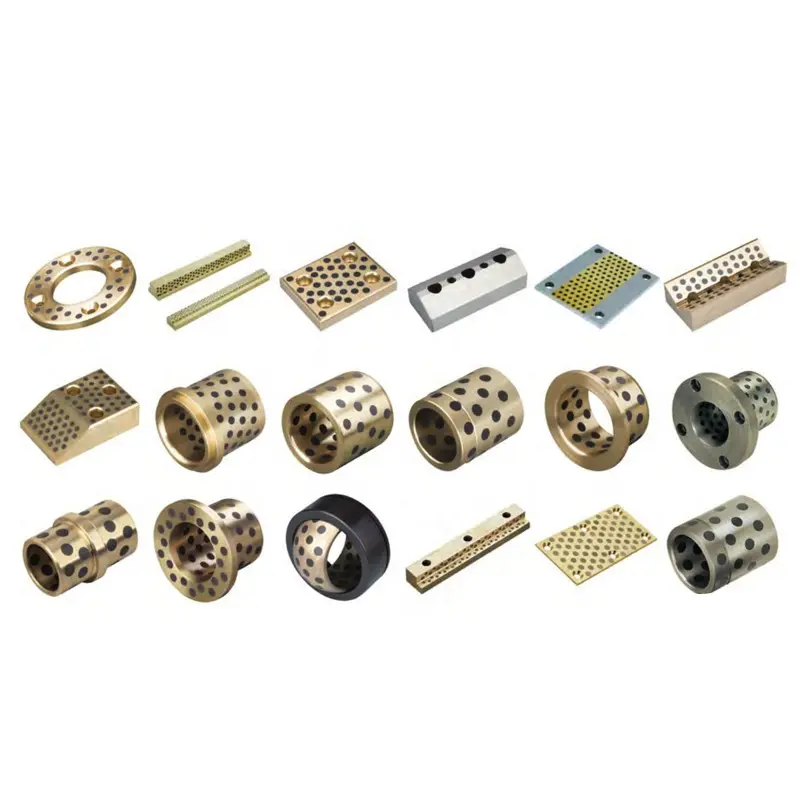 自润滑材料
自润滑材料
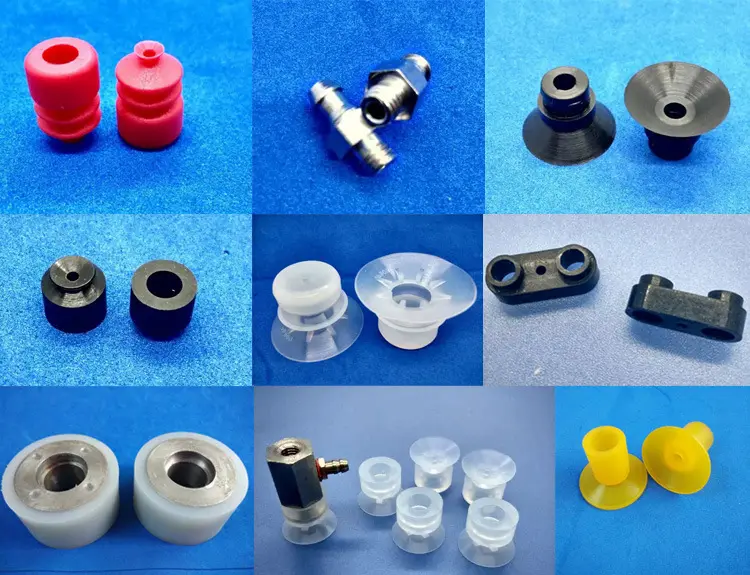 密封材料
密封材料
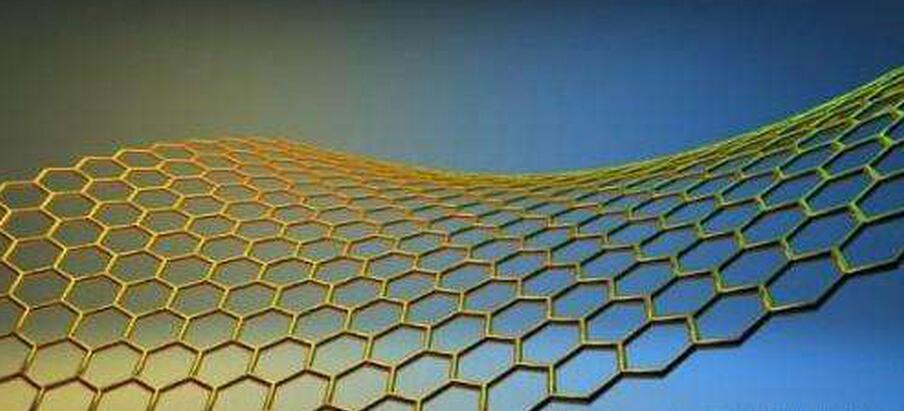 新兴材料
新兴材料
 加工设备
加工设备
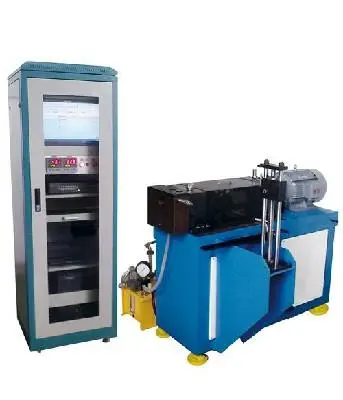 摩擦试验机
摩擦试验机
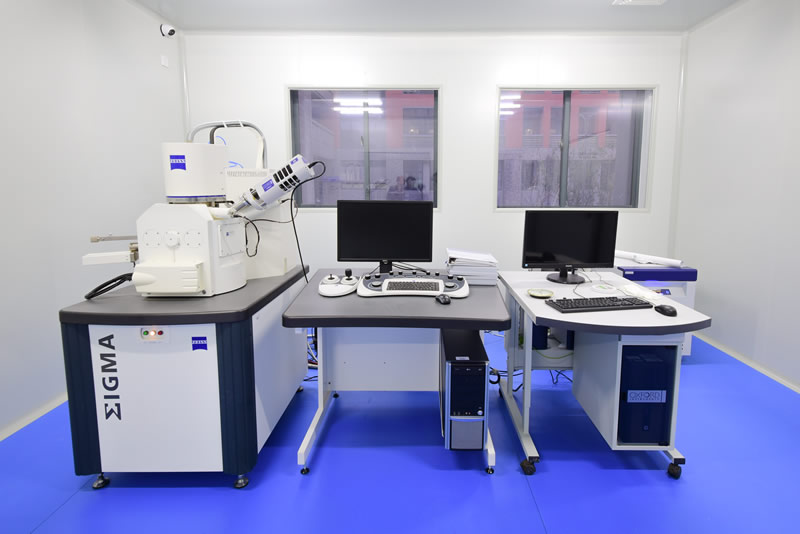 大型表征仪器
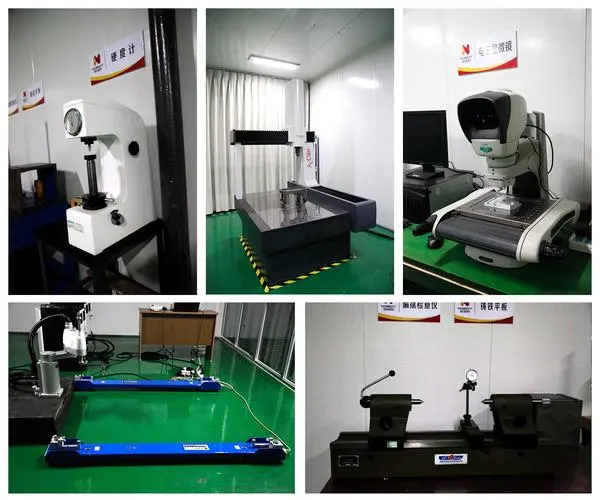 小型测试设备