The droplet-based triboelectric nanogenerator (D-TENG) represents a promising paradigm for droplet energy harvesting. However, D-TENG still faces serious problems, such as the high equivalent impedance and the voltage curve that deviates from the theory, which will lead to a low energy utilization efficiency. The well-accepted mechanism generally neglects the effect of the solid–liquid interface on charge transport rate, remaining it incompletely understood at the solid–liquid interface. Notably, this knowledge gap manifests in the systematic discrepancy between theoretical predictions and experimental measurements, as well as the equivalent impedance. Here, a series of D-TENG devices with different intrinsic capacitance are constructed and measured and the transport process of induced charges is analyzed at the electrical double layer (EDL) of droplet/top electrode interface. It is demonstrated that the space charge effect limits the rate of induced charge transfer, and the intrinsic capacitance of D-TENG can affect the strength of this limitation. The factors that affect equivalent impedance are clarified in the experiments: intrinsic capacitance of D-TENG and droplet concentration. A maximum charge density and a low equivalent impedance are achieved ≈4.25 mC m−2 and 5000 Ω, respectively. These findings propose a new induced charge transfer mechanism and a novel approach for reducing equivalent impedance.
周老师: 13321314106
王老师: 17793132604


邮箱号码: lub@licp.cas.cn





 润滑剂
润滑剂
 润滑油添加剂
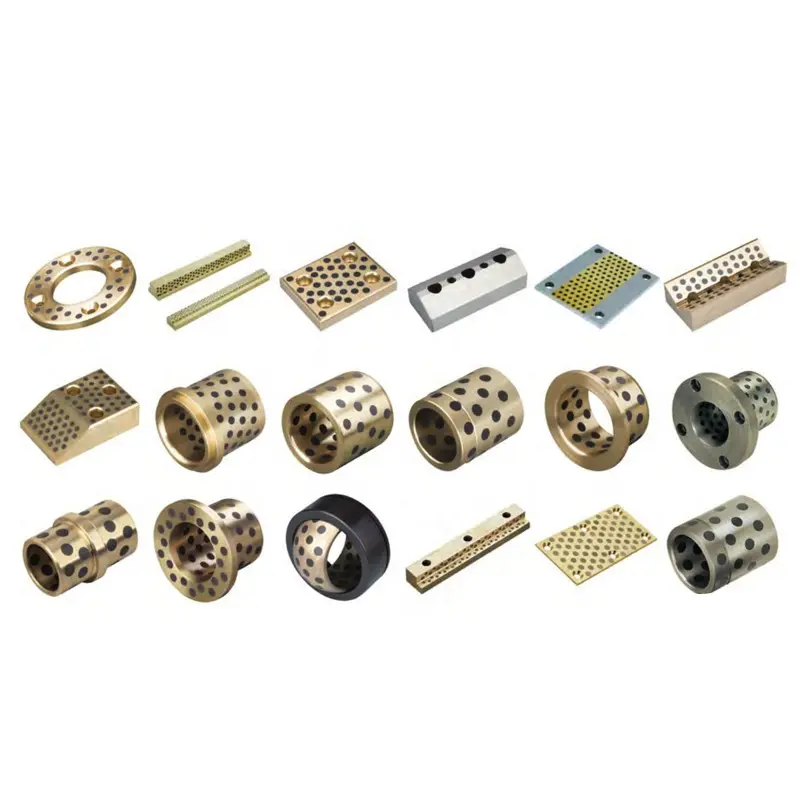 自润滑材料
自润滑材料
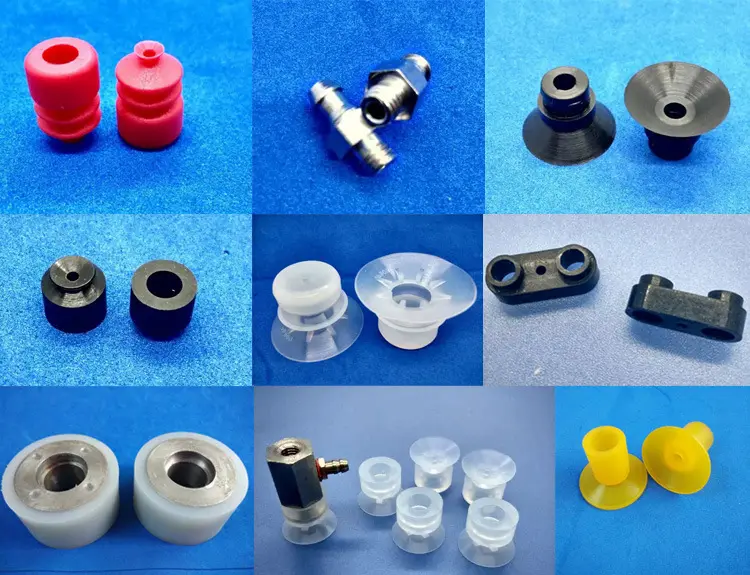 密封材料
密封材料
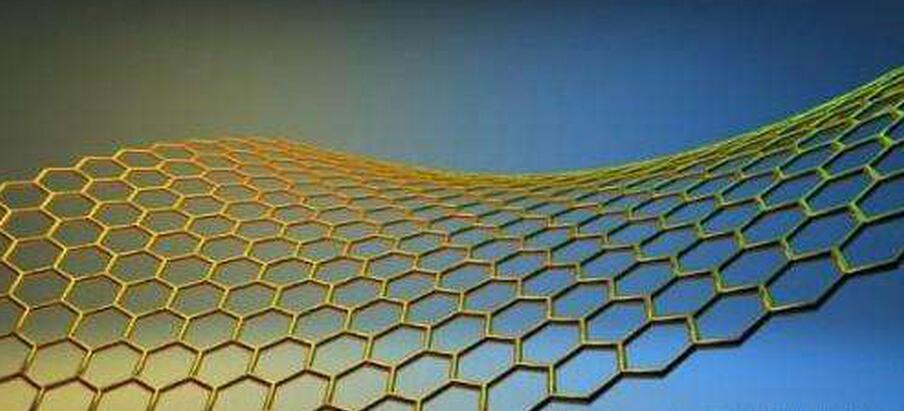 新兴材料
新兴材料
 加工设备
加工设备
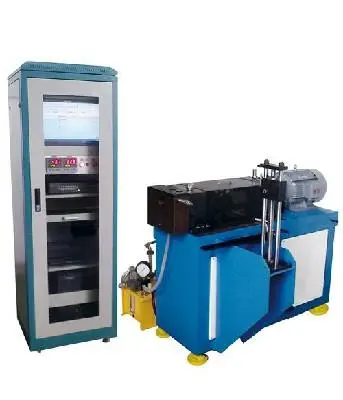 摩擦试验机
摩擦试验机
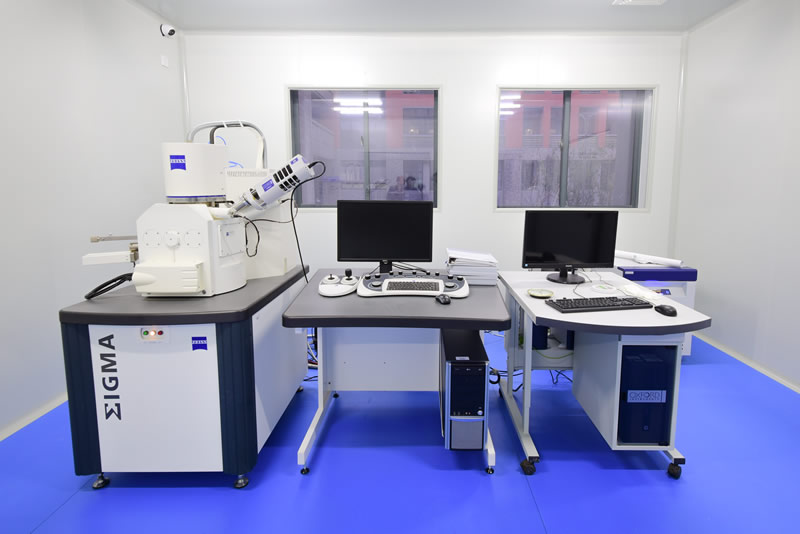 大型表征仪器
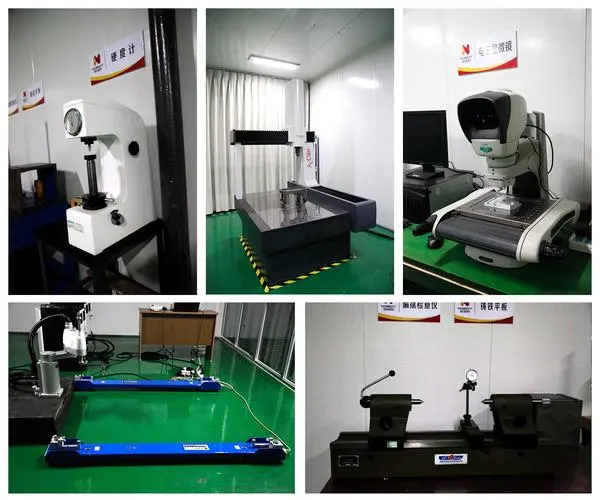 小型测试设备