Practical magnesium electrolyte options are limited by magnesium salt solubility in organic solvents and compatibility with metallic magnesium anode/cathode materials. Herein, a dual-anion electrolyte system (YBTFC) consisting of 0.2 m magnesium chloride (MgCl2) and 0.4 m dibutylboron trifluoromethanesulfonate (TFBA) in 1,2-Dimethoxyethane (DME) solvent to regulate the coordination chemistry and the interface structure is proposed. As an anion receptor, TFBA facilitates Lewis-acid-base reactions that foster the dissociation of insoluble MgCl2 and the formation of bi-anions. The CF3SO3− modulates the solvation sheath to reduce DME coordination strength and penetrates Mg passive films, enabling reversible plating. Concurrently, the bulky B(CF3SO3)4− preferentially decomposes into boron-rich interphases, enhancing Mg2⁺ transport kinetics while suppressing contact ion pair formation to extend operational temperature range. This combination of exceptional durability, low-temperature operation (−30 °C), and inherent interfacial self-healing is rarely observed in boron-based electrolytes. Critically, the boron-rich nature of YBTFC electrolyte facilitates B-O interphase formation on both electrode interfaces. Accordingly, the Mg|YBTFC|Mo6S8 cell achieves a discharge specific capacity of 50 mAh g−1 and outstanding cycling stability of 4500 cycles at a 3C rate. Overall, tailoring Mg2+ coordination chemistry and constructing a boron-rich interphase via a dual-anion electrolyte provides a viable approach for realizing long-life, high-rate-performance magnesium batteries.
周老师: 13321314106
王老师: 17793132604


邮箱号码: lub@licp.cas.cn





 润滑剂
润滑剂
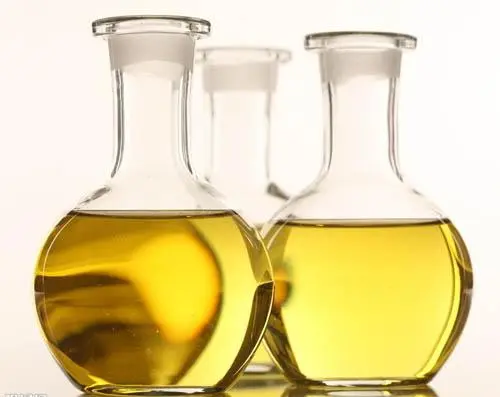 润滑油添加剂
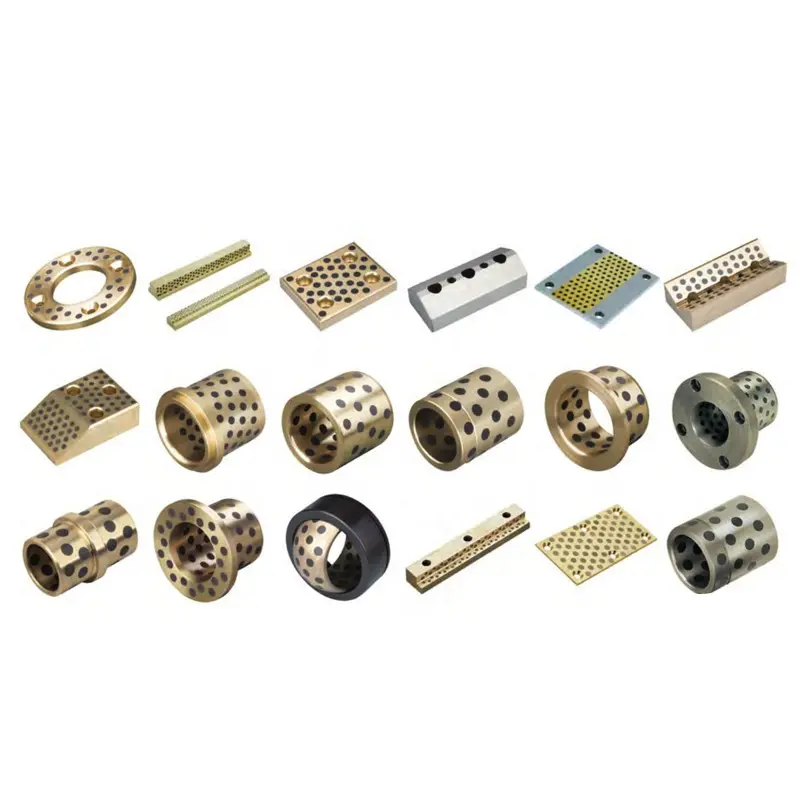 自润滑材料
自润滑材料
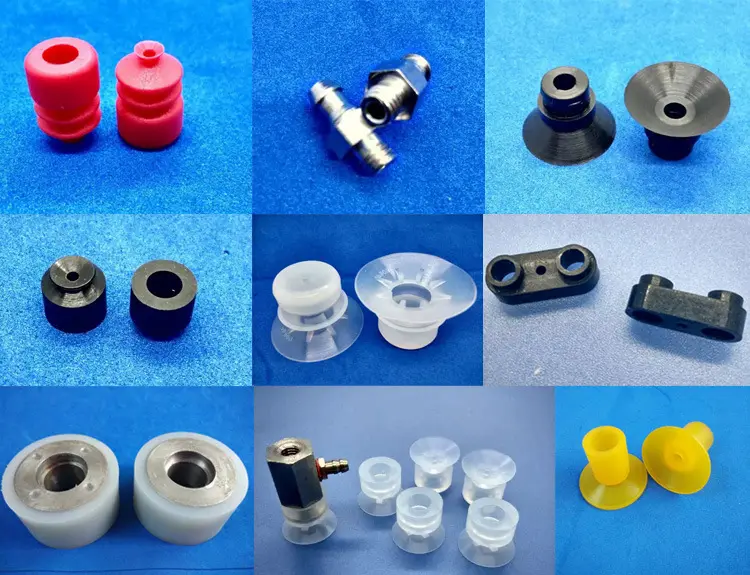 密封材料
密封材料
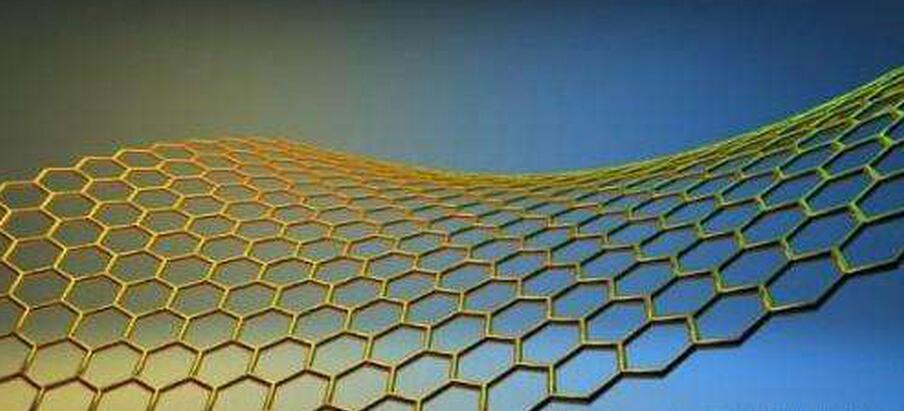 新兴材料
新兴材料
 加工设备
加工设备
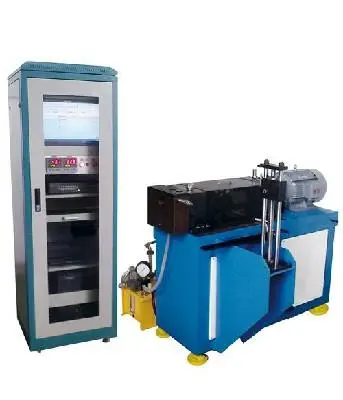 摩擦试验机
摩擦试验机
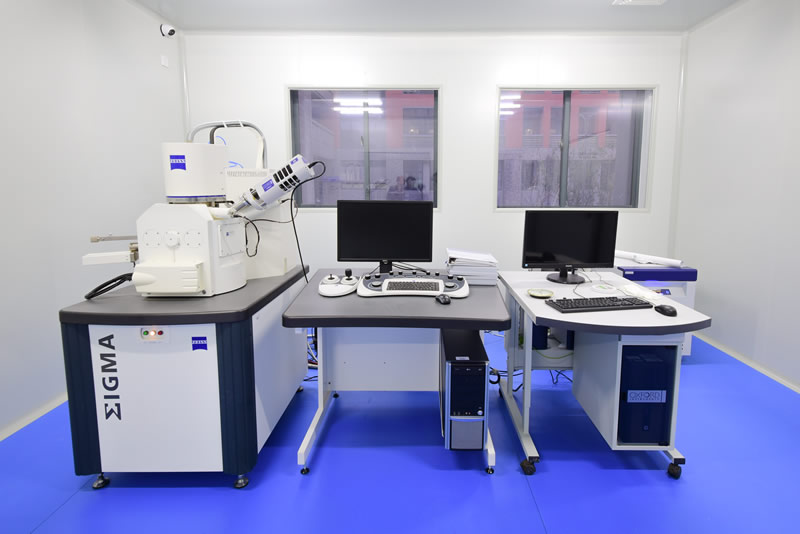 大型表征仪器
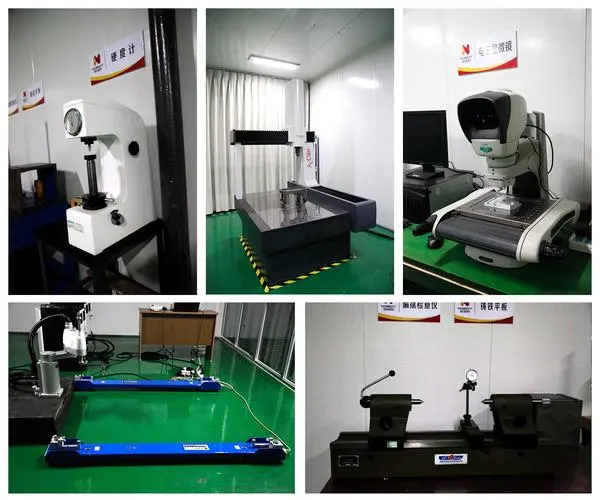 小型测试设备