Tin sulfide (SnS2) anodes for sodium-ion batteries (SIBs) exhibit high theoretical capacity (1136 mAh g−1) but face sluggish kinetics and structural instability due to volume expansion and poor conductivity. This work proposes a dual-defect strategy combining anion vacancies and dynamic interfacial optimization. Selenium (Se)-doped, anion vacancy-rich tin sulfoselenide (SnSSe) nanosheets anchored on recycled graphite (RG) are synthesized (SnSSe@RG). Electrochemical tests and density functional theory calculations jointly demonstrate that Se doping enhances sodium ion (Na+) diffusion kinetics. Crucially, a copper (Cu)-driven interfacial evolution mechanism is further uncovered: sodium polysulfides/selenides formed during the charge/discharge react with the Cu current collector, triggering in situ copper sulfide (Cu2S)/copper selenide (Cu2Se) formation. Ab initio molecular dynamics simulations reveal spontaneous decomposition of Na2S6/Na2Se6 at the Cu interface, forming new Cu─S/Cu─Se bonds. These self-optimized interfaces synergize with anion vacancies to mitigate the volume expansion and accelerate charge transport. Consequently, SnSSe@RG anode delivers high cycling stability (540 mAh g−1 after 300 cycles at 1 A g−1) and rate capability (440 mAh g−1 at 5 A g−1). Paired with an Na3V2(PO4)3@C cathode, the resultant sodium-ion full cell retains 125.5 mAh g−1 after 500 cycles at 0.2 A g−1, demonstrating high viability. This work provides profound mechanistic insights into defect-coupled current collector engineering and establishes a paradigm for designing self-adaptive electrodes in high-performance SIBs.
周老师: 13321314106
王老师: 17793132604


邮箱号码: lub@licp.cas.cn





 润滑剂
润滑剂
 润滑油添加剂
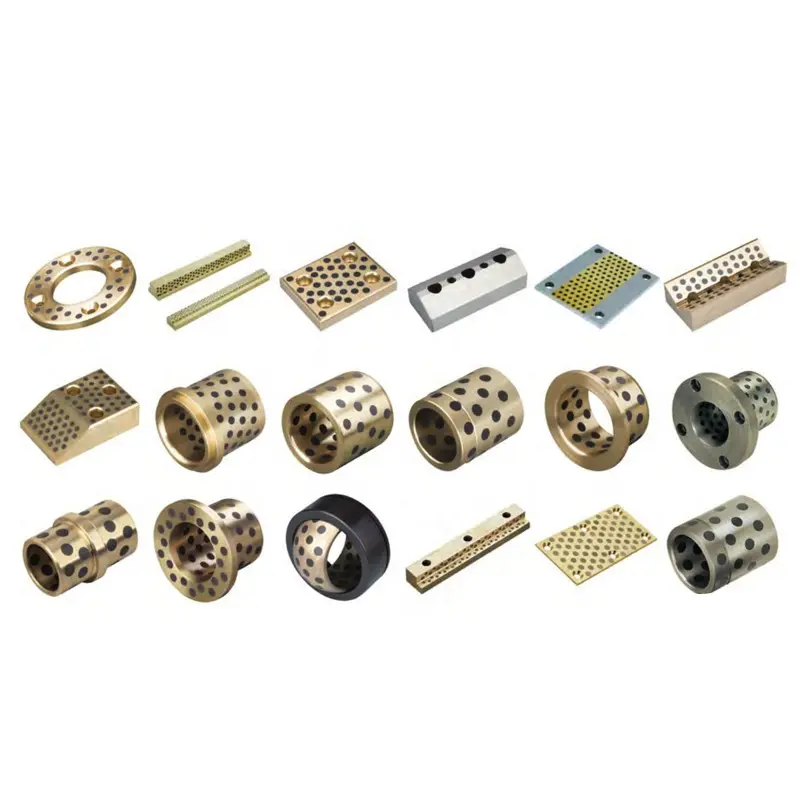 自润滑材料
自润滑材料
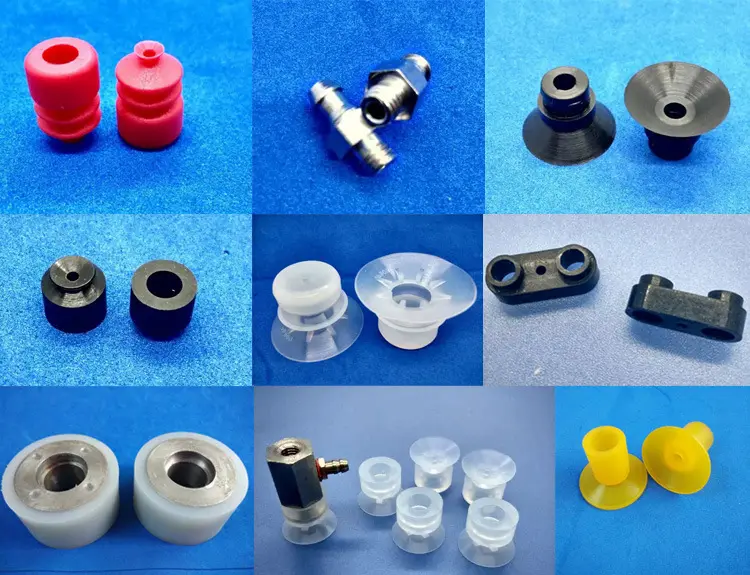 密封材料
密封材料
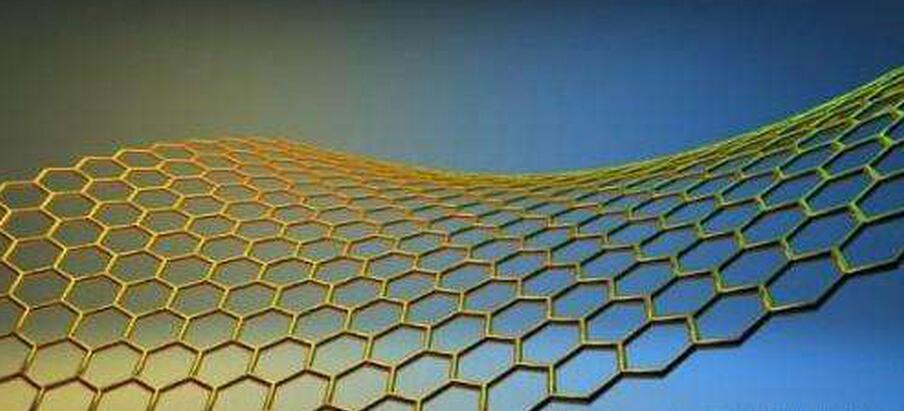 新兴材料
新兴材料
 加工设备
加工设备
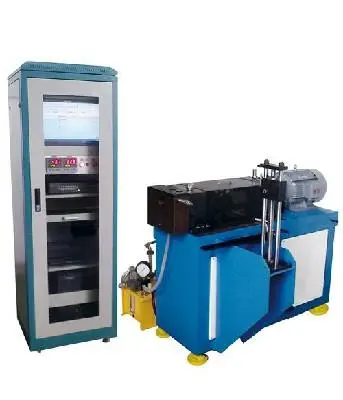 摩擦试验机
摩擦试验机
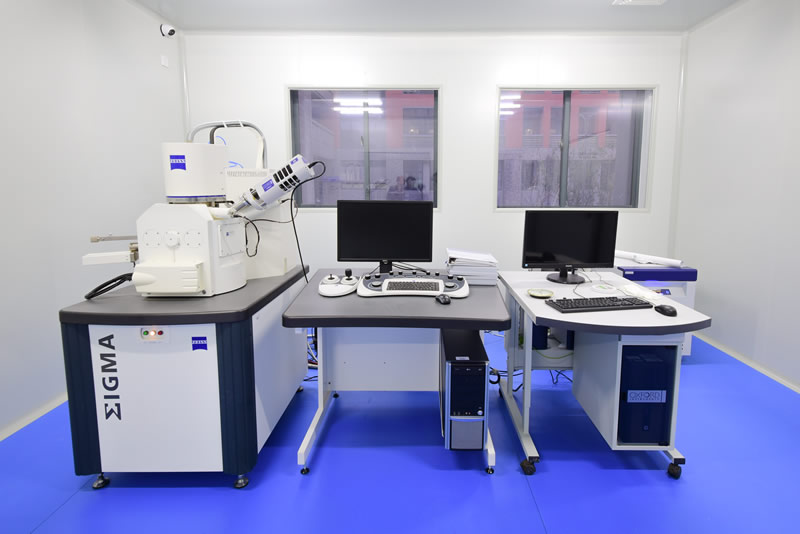 大型表征仪器
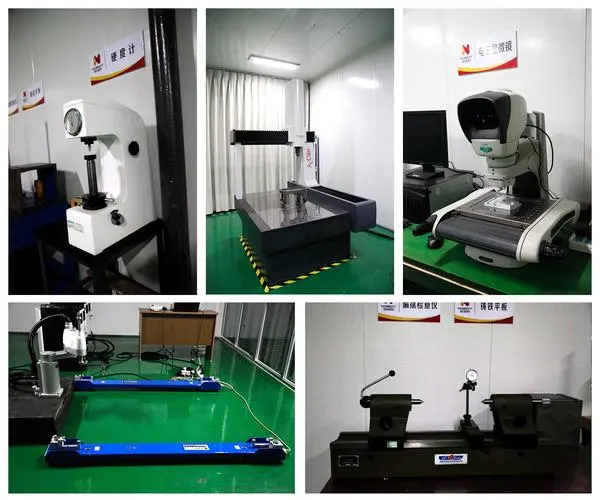 小型测试设备