Energy crises and environmental pollution have spurred the development of green energy harvesting technologies, among which triboelectric nanogenerators (TENGs) demonstrate significant potential. However, the scarcity of high-performance biodegradable negative triboelectric materials, coupled with inherent flaws in existing degradable TENG structures, such as fragile triboelectric layers and poor environmental adaptability, has constrained their practical application. This study successfully prepares a fully degradable negative triboelectric layer material (SCG-PCL) through co-extrusion of spent coffee grounds with polycaprolactone. When paired with degradable triboelectric materials conductive polylactic acid (PLA-C), cellulose, zein and chitosan respectively, SCG-PCL achieve triboelectric charge densities ranging from 67% to 127% of the corresponding PTFE combinations. This breakthrough offers a feasible strategy for replacing polytetrafluoroethylene (PTFE) and realizing fully biodegradable TENGs. Subsequently, SCG-PCL pellets are integrated with a conductive PLA 3D-printed housing to design a fully biodegradable, fully enclosed TENG (SP-TENG). At equivalent cost, the SP-TENG achieves an output voltage 1.7 times that of PTFE pellets-based TENGs, a volumetric power density of 12.28 mW·m−3, along with outstanding durability, scalability, and degradability. Furthermore, SP-TENG can be applied to wind energy harvesting in islands and complex road condition early warning systems. This work provides an innovative pathway for fabricating biodegradable negative triboelectric layer materials and green TENGs devices.
周老师: 13321314106
王老师: 17793132604


邮箱号码: lub@licp.cas.cn





 润滑剂
润滑剂
 润滑油添加剂
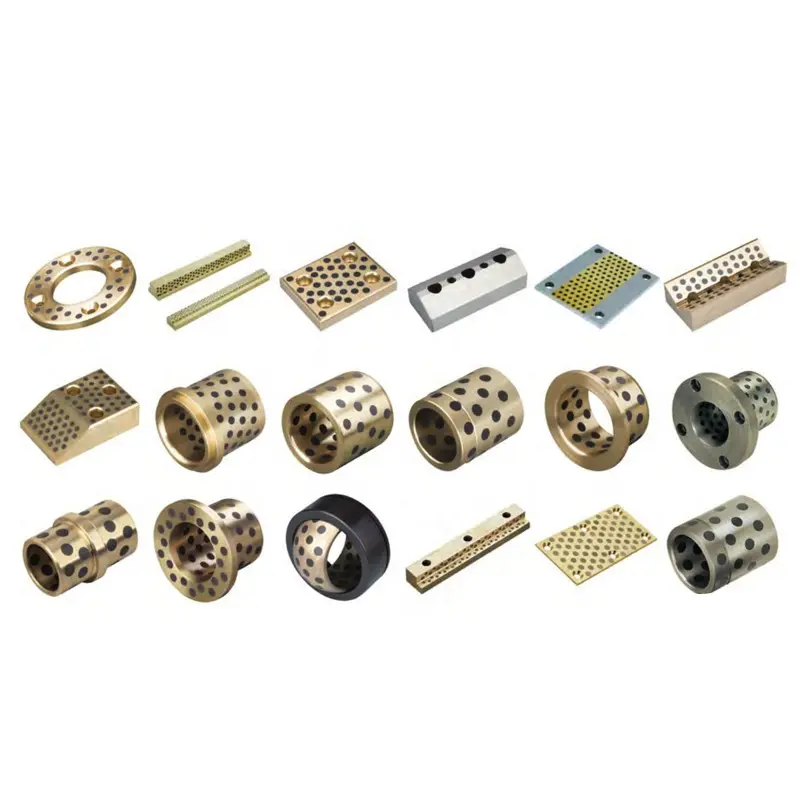 自润滑材料
自润滑材料
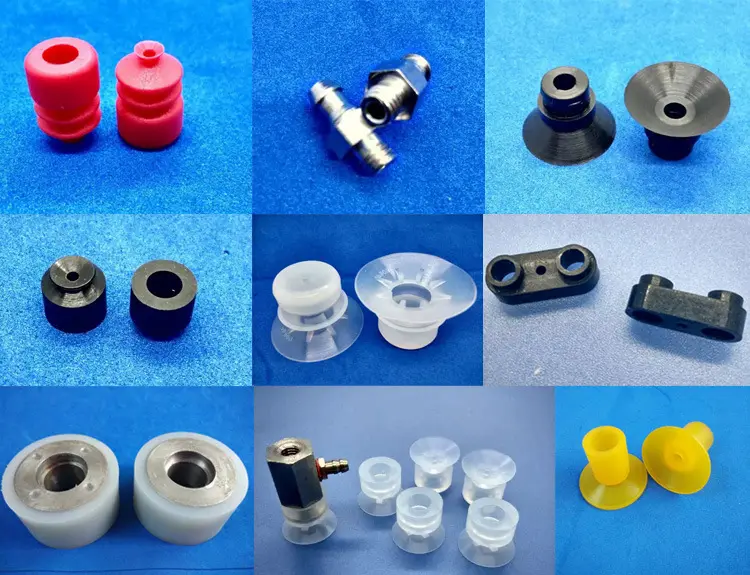 密封材料
密封材料
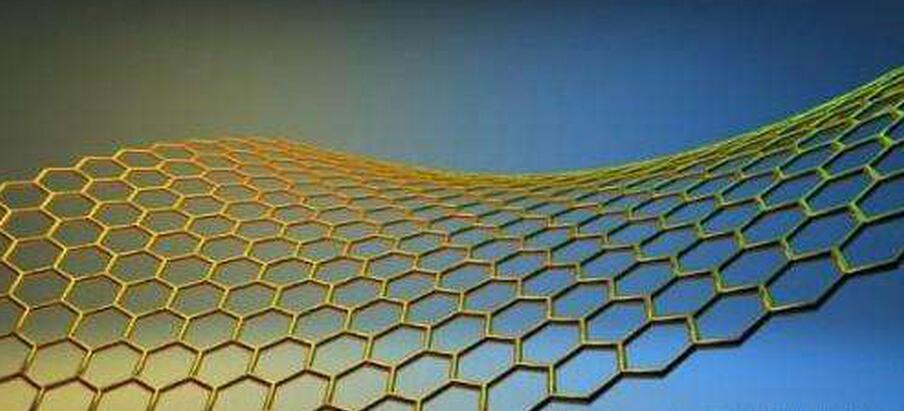 新兴材料
新兴材料
 加工设备
加工设备
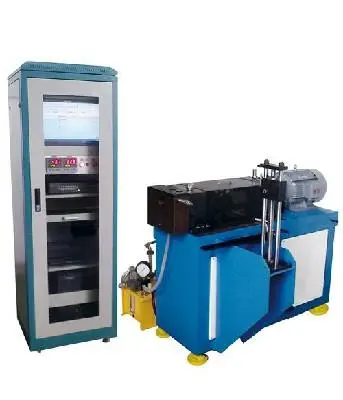 摩擦试验机
摩擦试验机
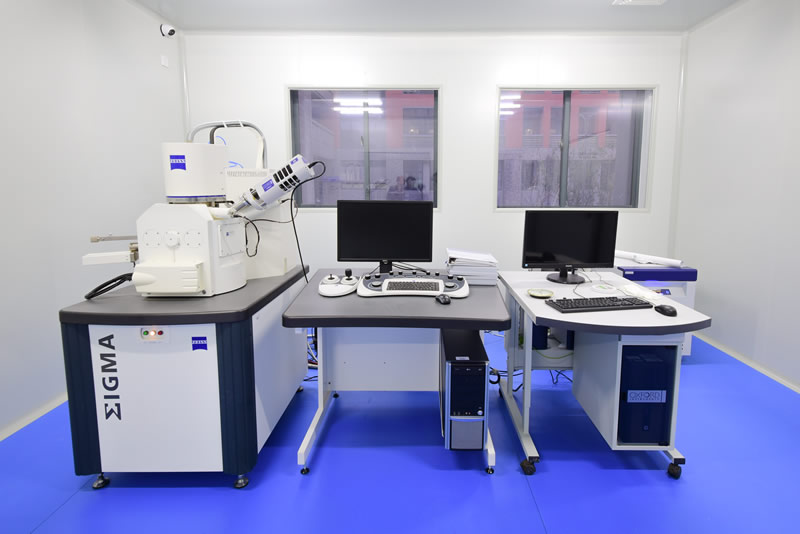 大型表征仪器
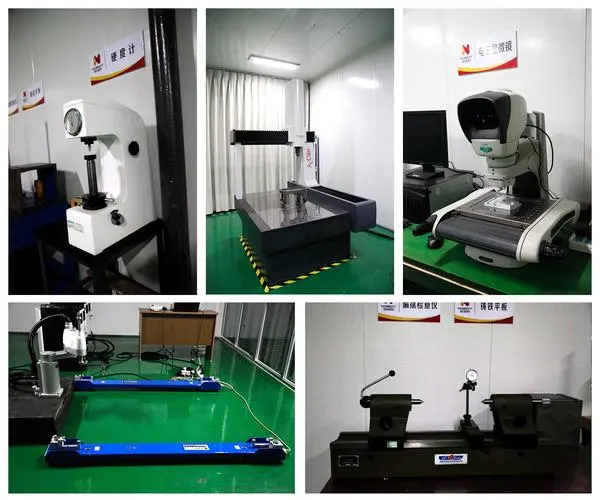 小型测试设备