The inevitable performance degradation and accelerated wear of solid lubricating materials caused by in-orbit exposure to highly reactive chemical species underscores the urgent need to clarify the evolution mechanisms of lubricating films in space environments. Herein, for the first time, radio-frequency-sputtered MoS2-Au films are exposed to the authentic low Earth orbit (LEO) for 1 year via the windward-side exposure platform aboard the China Space Station. By integrating multiscale characterization techniques, including depth-resolved X-ray photoelectron spectroscopy, time-of-flight secondary ion mass spectrometry, and mechanical and tribological testing, post-exposure analysis reveal that MoS2 is converted to Mo and S species through an MoS2O intermediate under the atomic oxygen and proton erosion. Owing to the formation of oxidized and protonated species on the surface of the MoS2-Au film, the friction coefficient increases from 0.023 to 0.035, and wear life is reduced by 77%. Beyond unraveling the synergetic degradation mechanisms of MoS2-based lubricants in LEO environments, this study establishes a mechanistic foundation for the rational design of intelligent lubrication films in next-generation space mechanisms. Moreover, the utilization of the space station platform to probe material evolution behavior in an authentic space environment paves the way for advancing deep-space material chemistry.
周老师: 13321314106
王老师: 17793132604


邮箱号码: lub@licp.cas.cn





 润滑剂
润滑剂
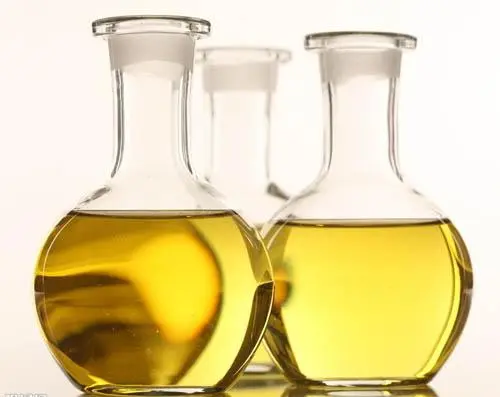 润滑油添加剂
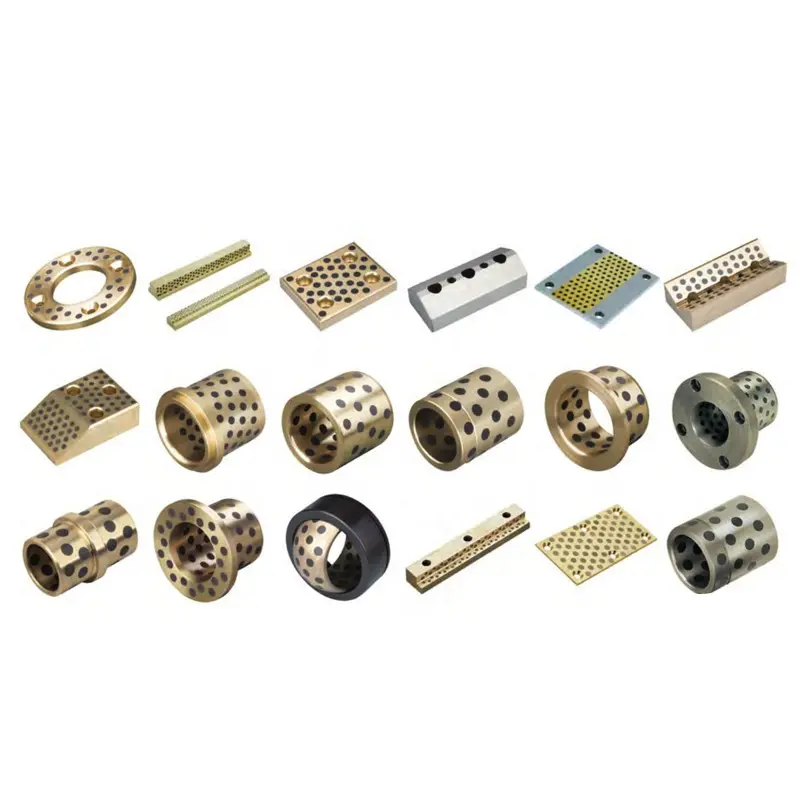 自润滑材料
自润滑材料
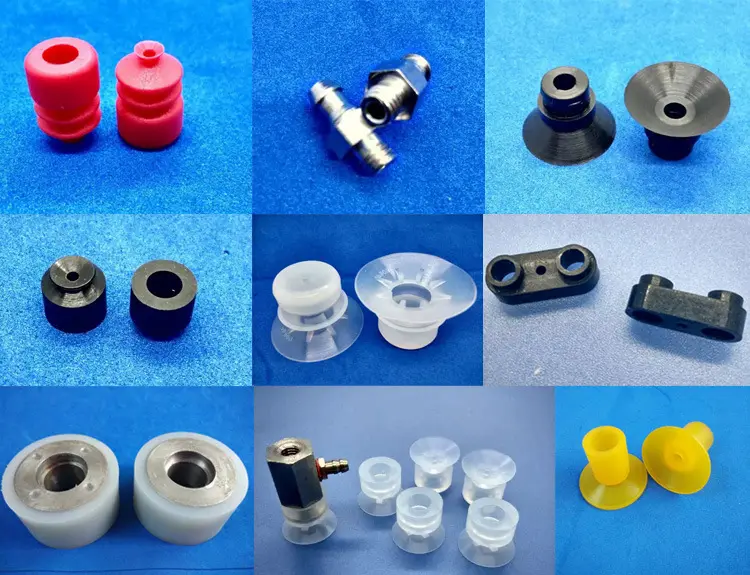 密封材料
密封材料
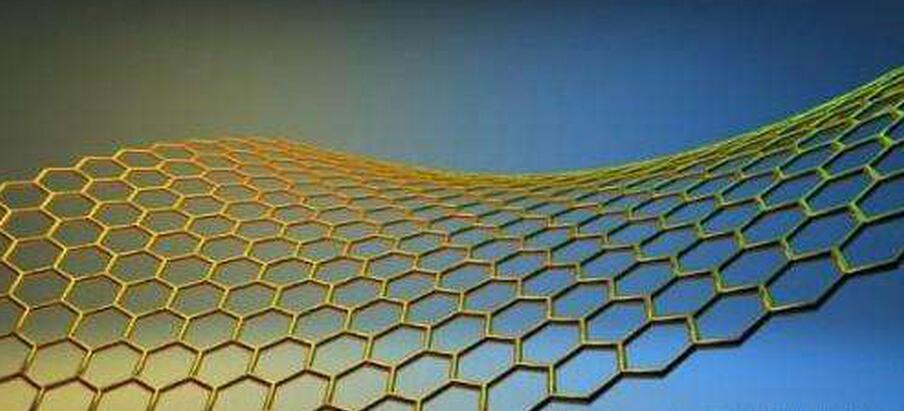 新兴材料
新兴材料
 加工设备
加工设备
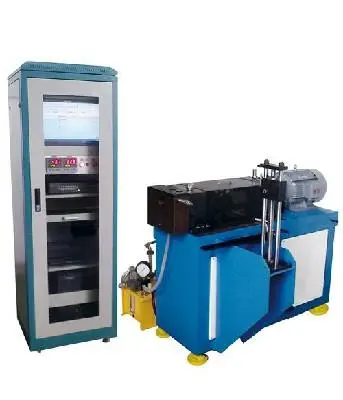 摩擦试验机
摩擦试验机
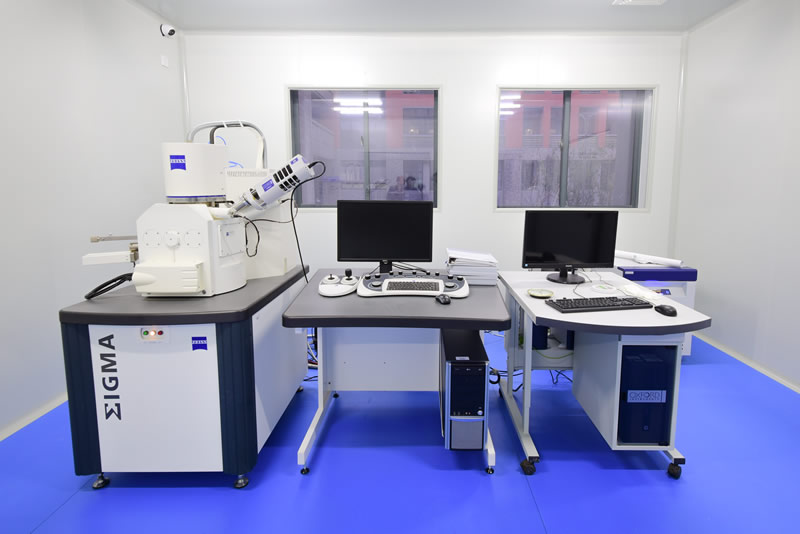 大型表征仪器
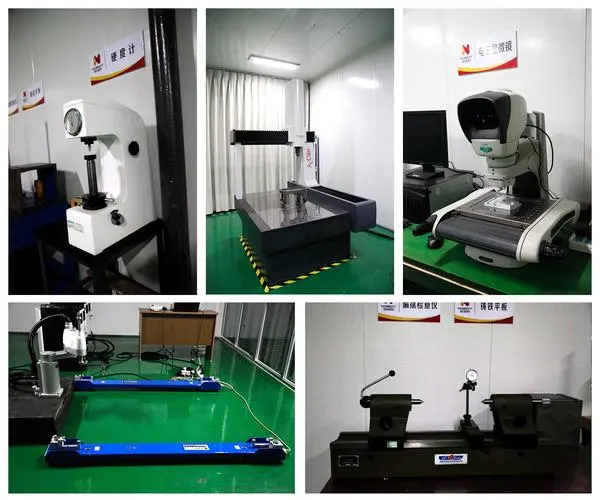 小型测试设备