To address the need for simultaneous improvements in strength, elasticity, and environmental resilience of rubber materials for flexible electronics, a bioinspired multiscale crosslinking strategy is proposed for systematic performance optimization. Inspired by reversible π–π interactions in transporter protein hinges, we designed a multiscale architecture that integrates a dynamic covalent network with π–π stacking structure, enabling the rubber to exhibit mechanical strength, elasticity retention, and environmental adaptability far exceeding similar studies. Acrylamide is grafted onto styrene–butadiene rubber chains to introduce polar groups. Tris(4-aminophenyl)amine initiates a deamination polycondensation reaction, forming a stable, reversibly tunable covalent network. It exhibits high tensile strength (9.88 MPa) and large elongation at break (992%). Incorporation of 7 wt% graphene forms a conductive network, enhancing conductivity (0.37 S m−1) and strength (14.88 MPa) for flexible sensing. The π−π stacking promotes the movement of delocalized π-electrons in graphene, enabling the triboelectric nanogenerator to possess a high power density (4.2 W m−2) far exceeding similar studies, and to operate stably in complex environments. It enables high-accuracy material recognition (98.58% by machine learning) and real-time human motion monitoring. This work presents a strategy for designing high-performance, self-powered rubber devices for flexible electronics and wearable health monitoring.
周老师: 13321314106
王老师: 17793132604


邮箱号码: lub@licp.cas.cn





 润滑剂
润滑剂
 润滑油添加剂
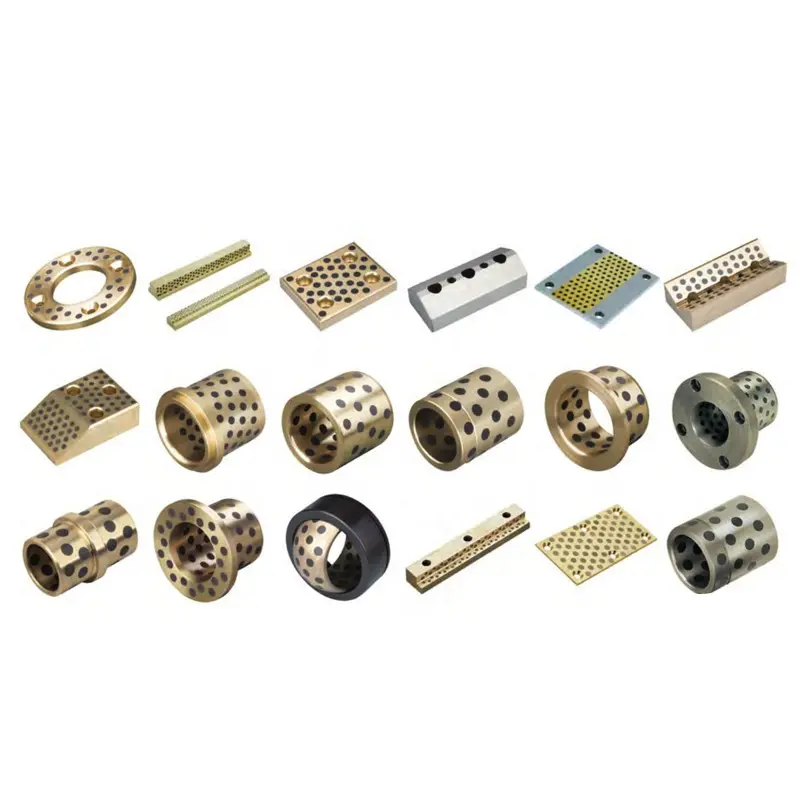 自润滑材料
自润滑材料
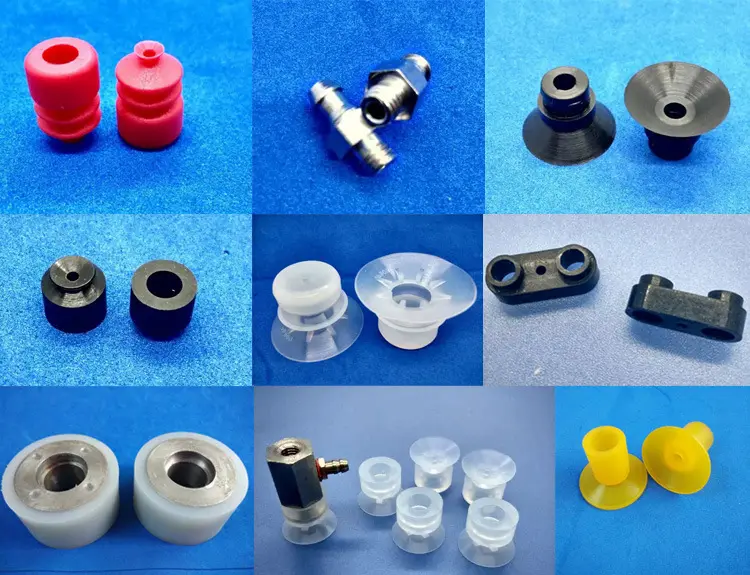 密封材料
密封材料
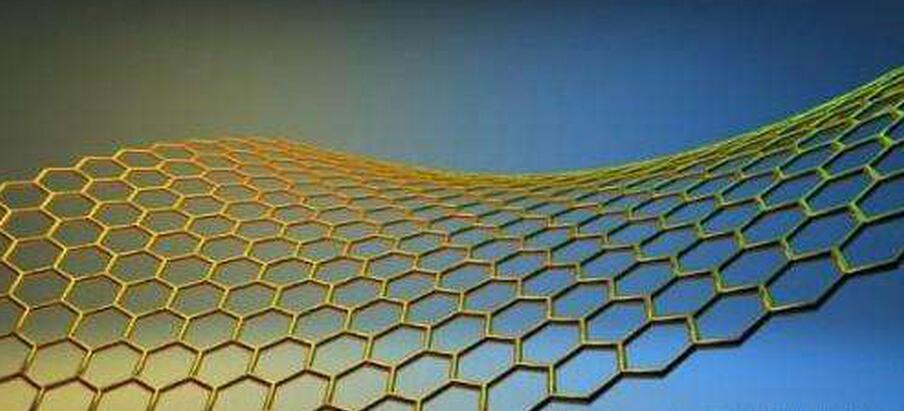 新兴材料
新兴材料
 加工设备
加工设备
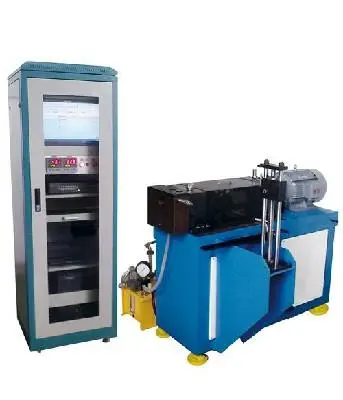 摩擦试验机
摩擦试验机
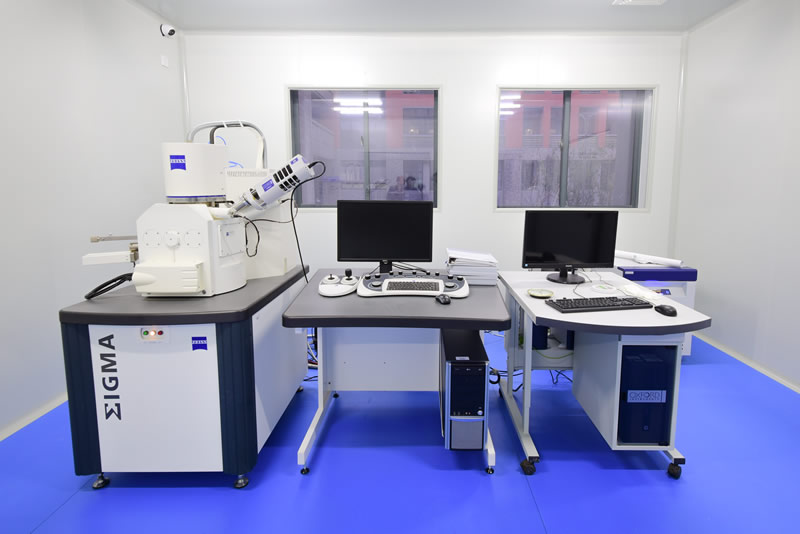 大型表征仪器
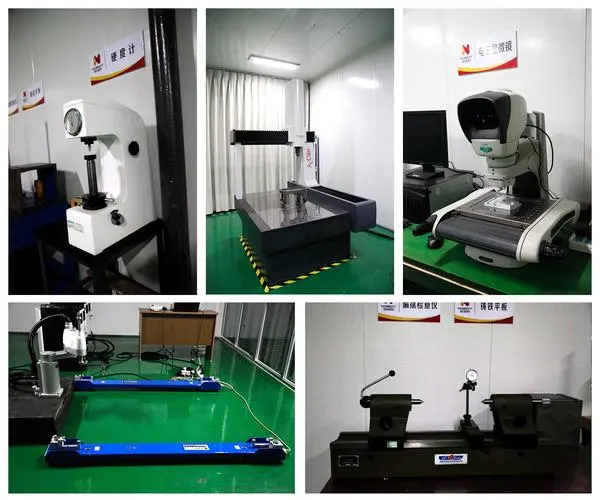 小型测试设备