Quantitative and objective assessment of muscle spasticity grades in post-stroke patients plays a pivotal role for physicians and patients in adjusting rehabilitation plans and preventing secondary complications. However, the development of such methods for spasticity detection and assessment is hindered by the subjectivity of conventional assessment methods, the limited clinical applicability of digital-devices, and the structural complexity of sensors used for monitoring muscle strength. Here, a multimodal on-skin sensor is developed, enabling simultaneous acquisition of surface electromyography (sEMG) and triboelectric signals, through wavelet analysis, the signal from the sensor can comprehensively reflect the bioelectrical and biomechanical characteristics of human motion. The high-performance triboelectric materials (BPA NPs) with metal-organic–inorganic core-shell structures are synthesized to enhance the signal quality of the multimodal on-skin sensor by leveraging the self-polymerization ability and weak reducibility of dopamine. The sensitivity of the multimodal on-skin sensor is improved by designing a radially arranged micro-cone array with gradient heights. Additionally, a quantitative spasticity assessment strategy is developed by integrating muscle co-activation coefficients (Index 1) and antagonistic efficacy metrics (Index 2), which are strongly correlated with the Modified Ashworth Scale scores. The multimodal on-skin sensor with the proposed assessment strategy enables quantitative assessment of spasticity in 9 spasticity patients.
周老师: 13321314106
王老师: 17793132604


邮箱号码: lub@licp.cas.cn





 润滑剂
润滑剂
 润滑油添加剂
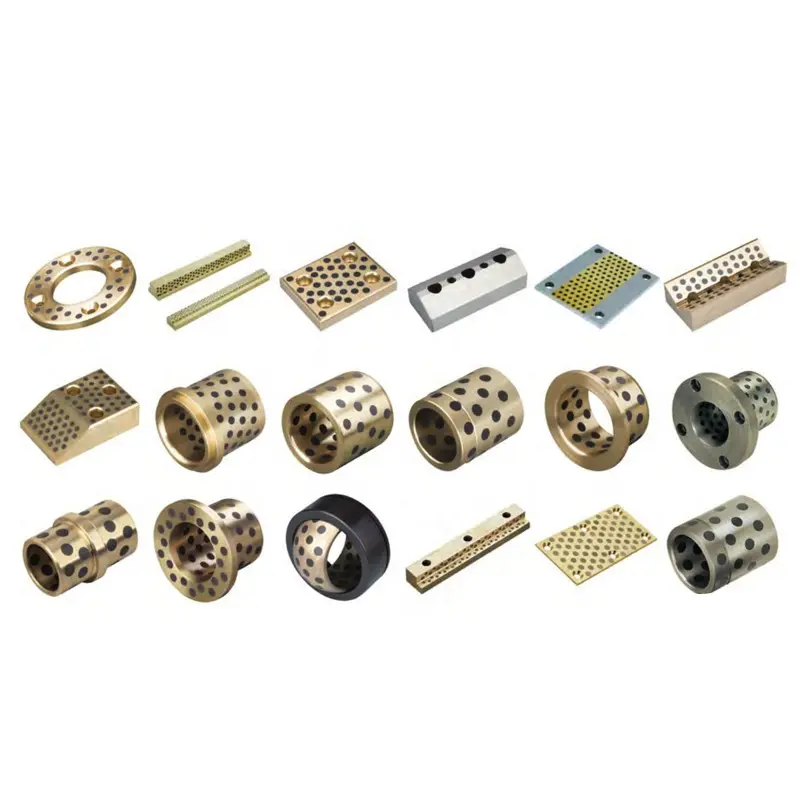 自润滑材料
自润滑材料
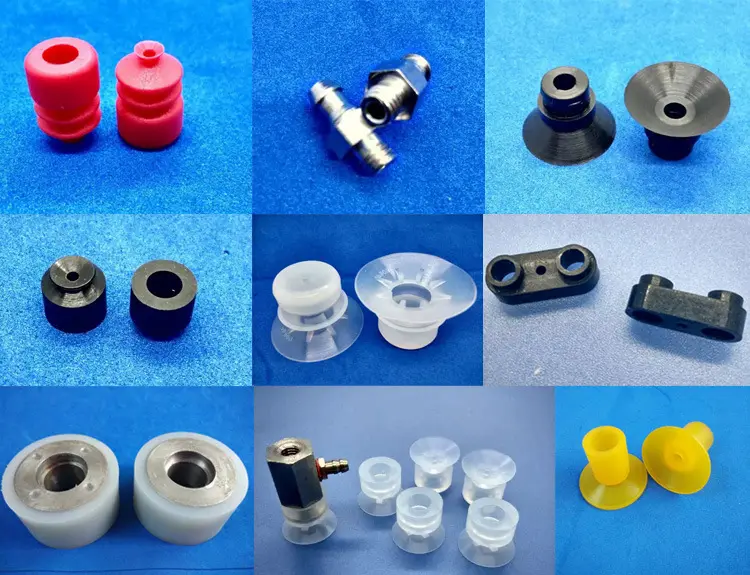 密封材料
密封材料
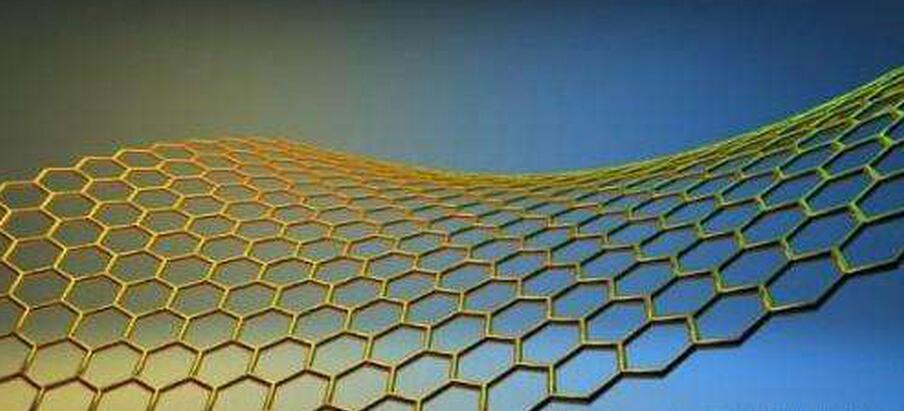 新兴材料
新兴材料
 加工设备
加工设备
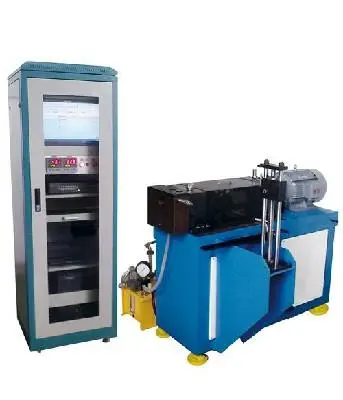 摩擦试验机
摩擦试验机
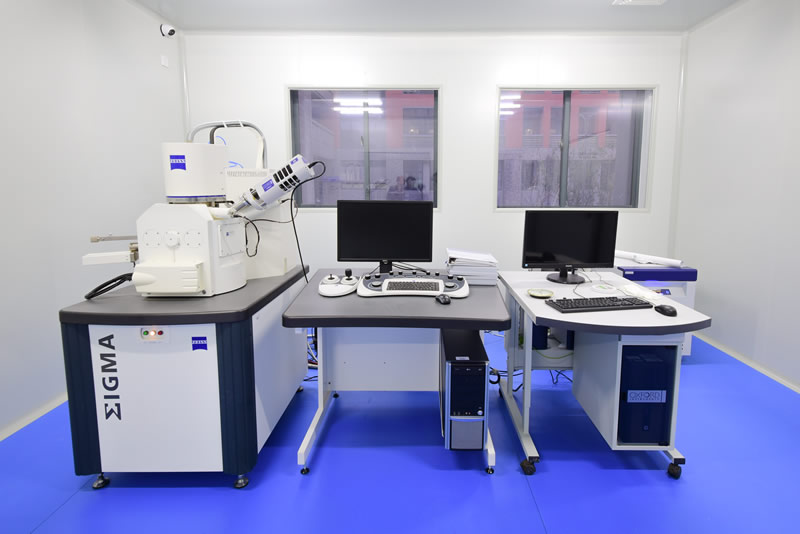 大型表征仪器
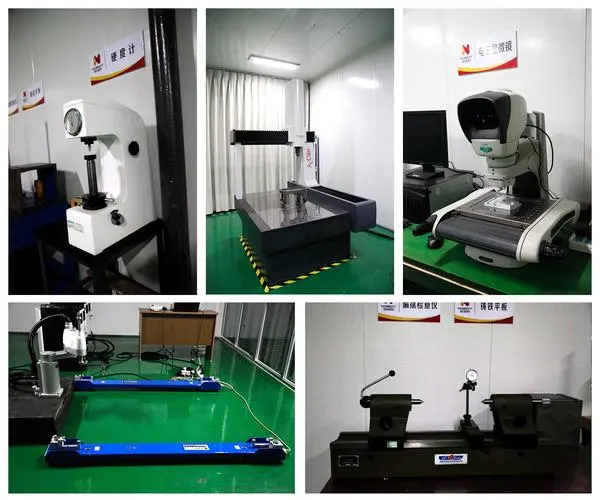 小型测试设备