Flexible ionogels that concurrently deliver high mechanical strength and rapid, efficient self-healing are essential for next-generation wearable electronics and soft robotics. Yet, in cellulose-based systems, this dual functionality is hindered by a fundamental trade-off: crystalline order imparts strength but suppresses dynamic repair, while amorphous domains enable healing but compromise mechanical integrity. To overcome this dichotomy, a crystalline-to-amorphous transformation strategy is introduced that reconfigures cellulose into a bifunctional dynamer-simultaneously structural and dynamic. Specifically, quasi-amorphous dialdehyde hydroxypropyl cellulose (DAHPC) is engineered as an active, multifunctional component within a lipoic acylhydrazide-based ionogel network, replacing conventional passive fillers. The quasi-amorphous DAHPC chains exhibit high segmental mobility and abundant hydrogen-bonding sites, fostering hierarchical physical entanglements and microphase-separated domains that dramatically enhance toughness and tensile strength. Crucially, the aldehyde groups on DAHPC engage in reversible acylhydrazone exchange with acylhydrazide moieties, establishing a dynamic covalent network that enables rapid, thermally triggered self-healing. The resulting ionogel achieves an exceptional fracture strength of >4.2 MPa, skin-like stretchability (>80% strain), and autonomous self-repair with >96% efficiency at 60 °C within 6 h. This work presents a sustainable, molecularly informed design paradigm that harmonizes strength, elasticity, and self-recovery in bio-derived ionogels-paving the way for high-performance, eco-conscious materials in flexible and wearable electronics.
周老师: 13321314106
王老师: 17793132604


邮箱号码: lub@licp.cas.cn





 润滑剂
润滑剂
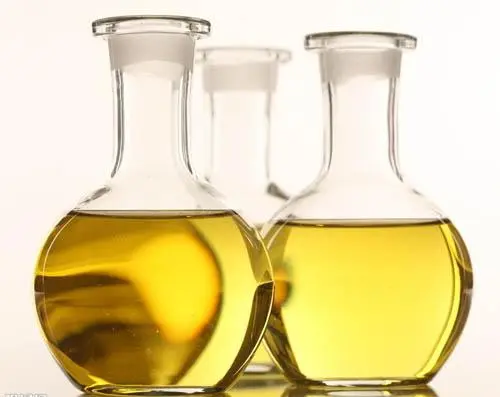 润滑油添加剂
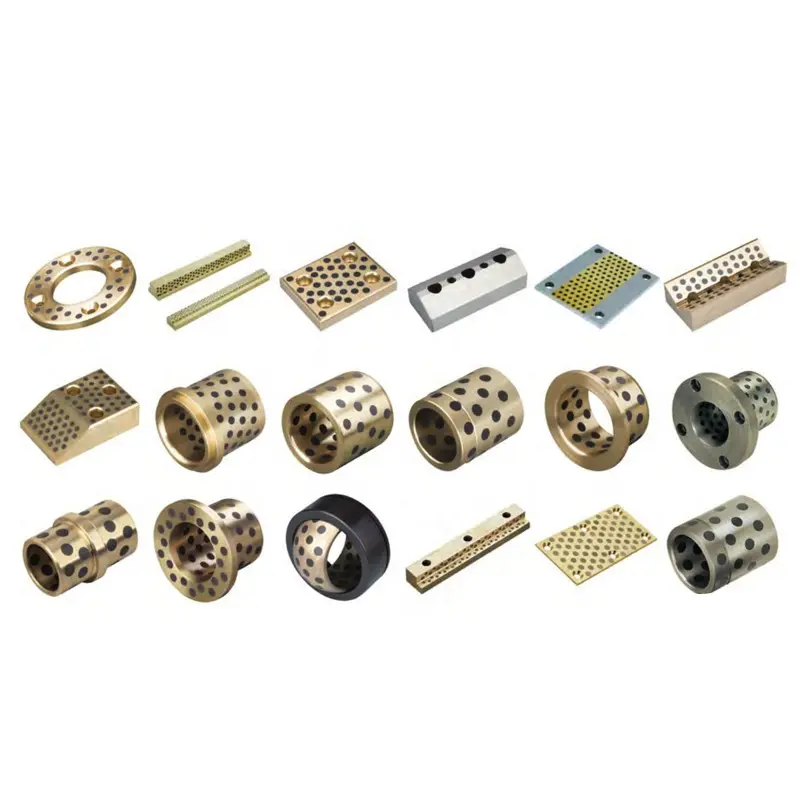 自润滑材料
自润滑材料
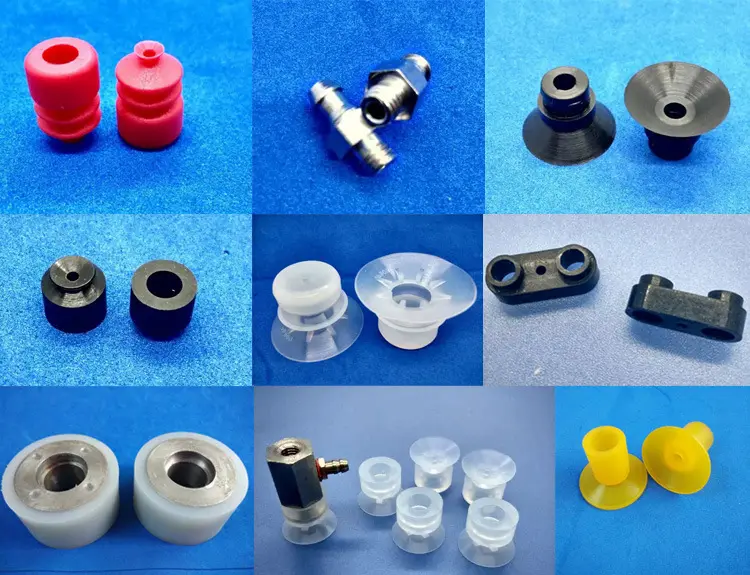 密封材料
密封材料
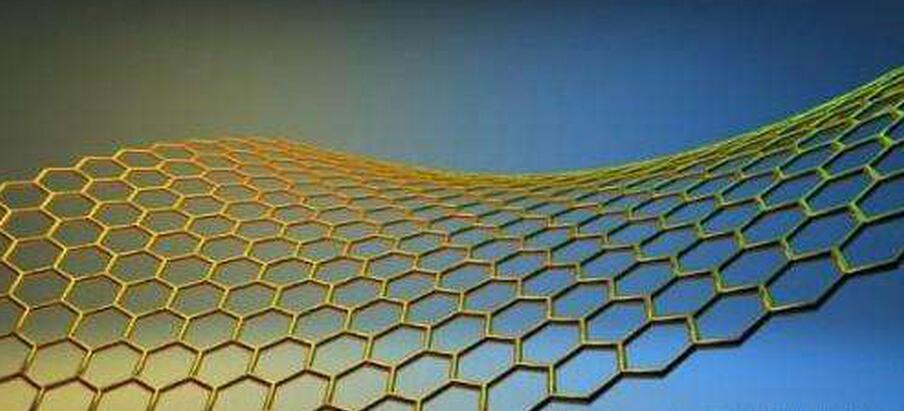 新兴材料
新兴材料
 加工设备
加工设备
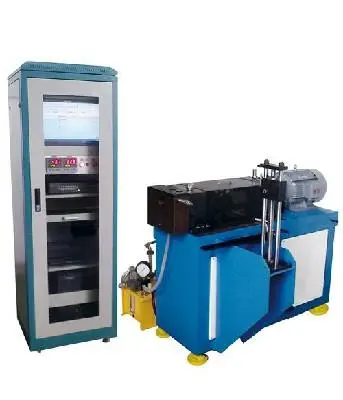 摩擦试验机
摩擦试验机
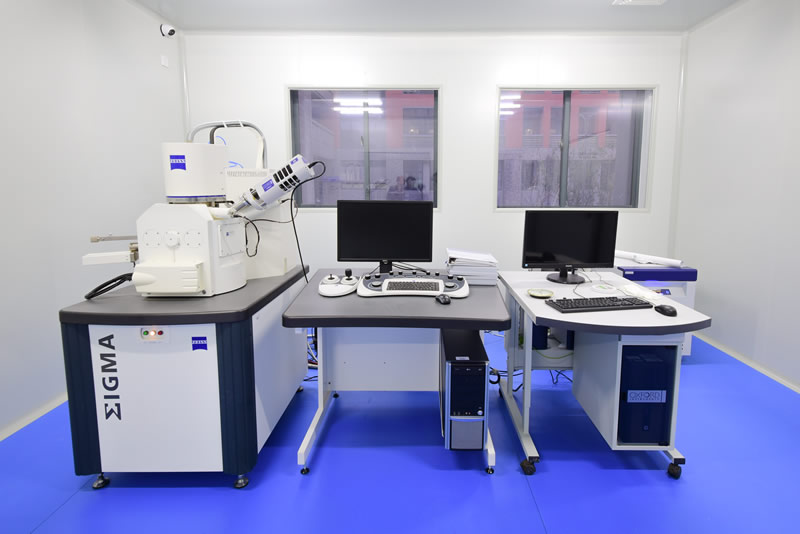 大型表征仪器
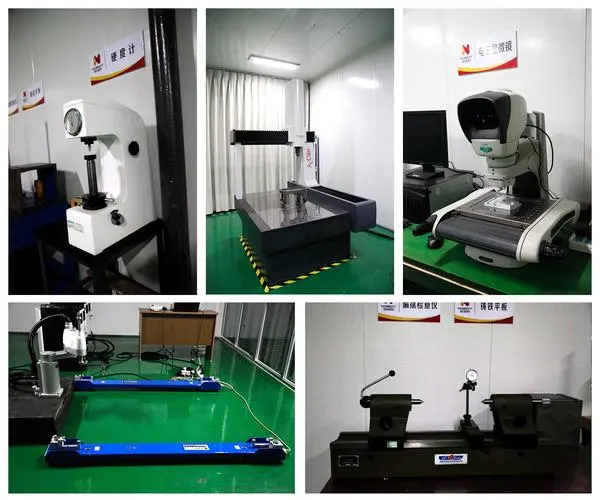 小型测试设备