Nature utilizes simple building blocks to construct mechanically robust materials that demonstrate superior performance under extreme conditions. These exquisite structures result from the controlled synthesis and hierarchical assembly of nanoscale organic and mineral components that have provided critical evolutionary advantages to ensure survival. One such example is the ultrahard radular teeth found in mollusks, which are used to scrape against rock to feed on algae. Here, it is reported that the leading edges of these teeth consist of a wear-resistant coating that is comprised of densely packed ≈65 nm magnetic nanoparticles integrated within an organic matrix of chitin and protein. These mesocrystalline magnetite-based structures are assembled from smaller, highly aligned nanocrystals with inter/intracrystalline organics introduced during the crystallization process. Nanomechanical testing reveals that this multi-scale, nano-architected coating has a combination of increased hardness and a slight decrease in modulus versus geologic magnetite provides the surface of the chiton tooth with superior abrasion resistance. The mesocrystalline structures fracture at primary domain interfaces, corroborated by computational models, providing significant toughening to the tooth under extreme contact stresses. The design features revealed provide insight for the design and fabrication of next-generation advanced wear- and impact-resistant coatings for tooling, machinery, wind turbines, armor, etc.
周老师: 13321314106
王老师: 17793132604


邮箱号码: lub@licp.cas.cn





 润滑剂
润滑剂
 润滑油添加剂
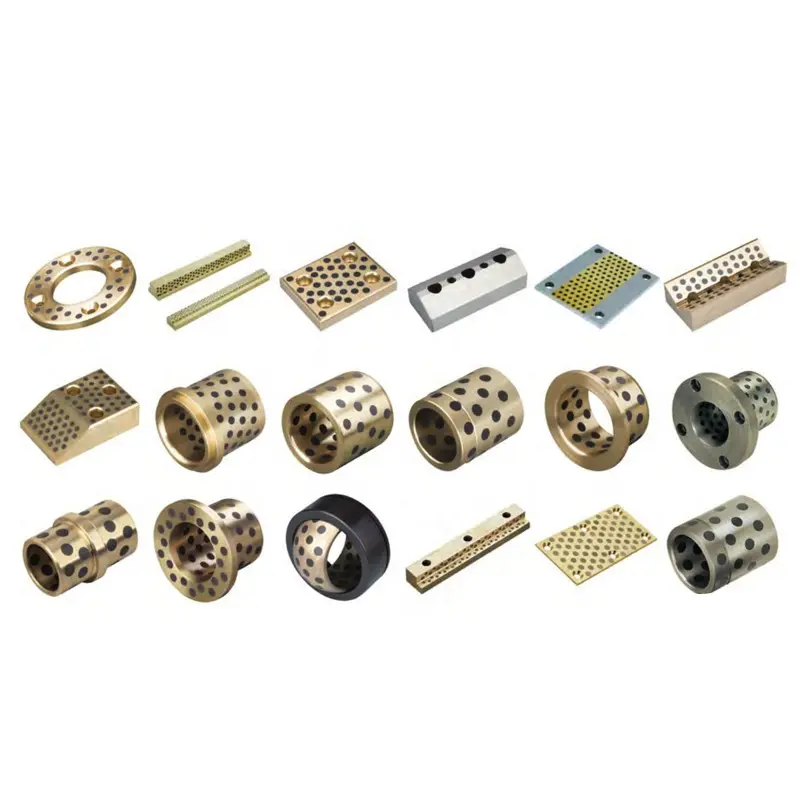 自润滑材料
自润滑材料
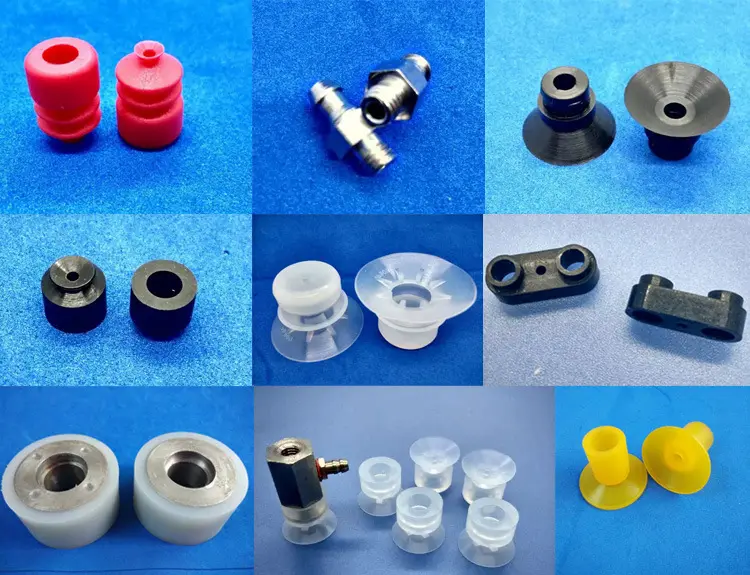 密封材料
密封材料
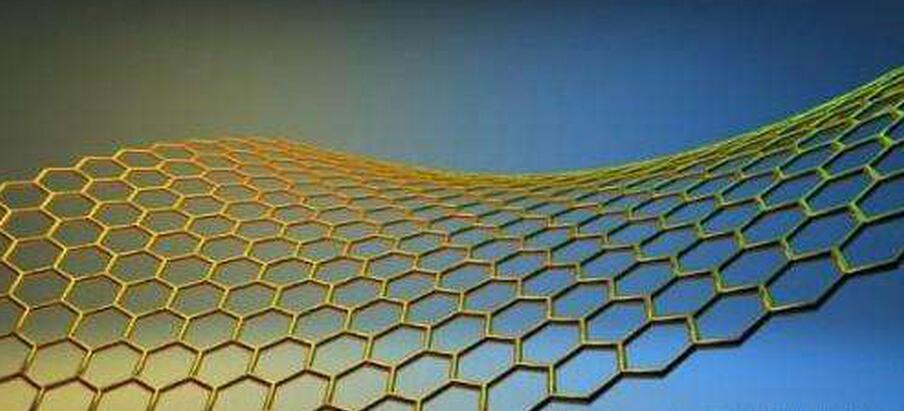 新兴材料
新兴材料
 加工设备
加工设备
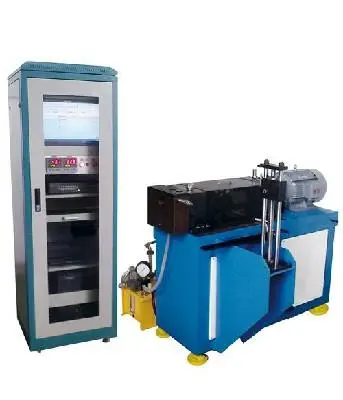 摩擦试验机
摩擦试验机
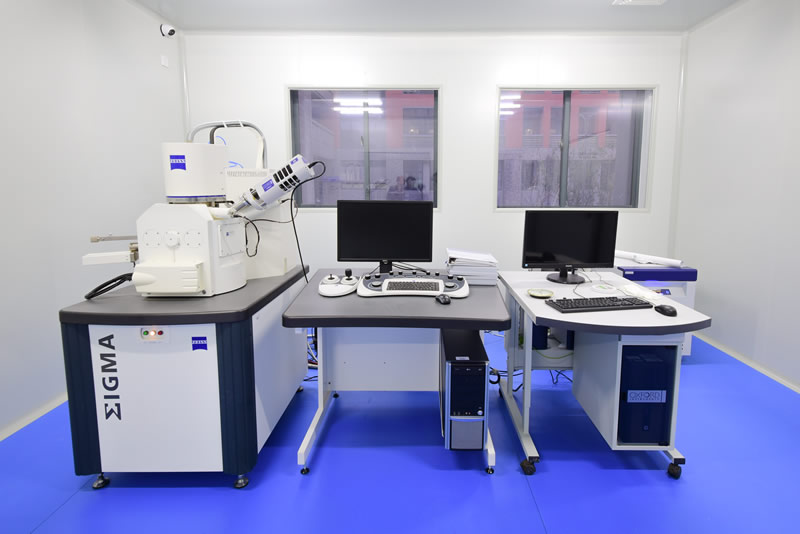 大型表征仪器
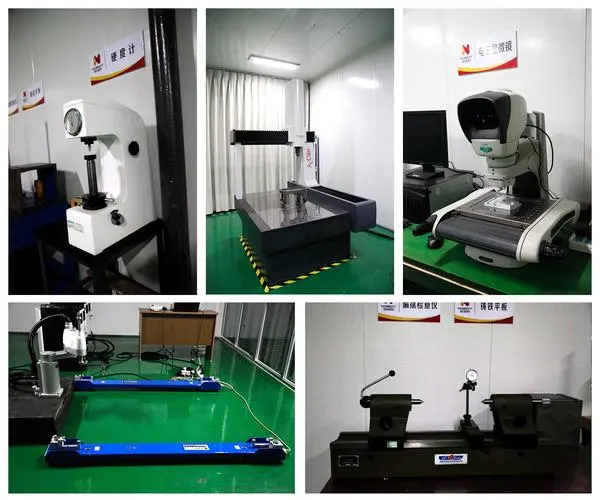 小型测试设备