Adhesion/friction engineering underpins critical technologies spanning robotic manipulation, wearable electronics, and advanced manufacturing systems. While bioinspired designs have progressively narrowed the differences in environmental adaptability, a fundamental trade-off persists: synthetic materials fail to simultaneously achieve rapidly reversible switching and robust multidomain performance on tilted, rough, or dynamically disturbed surfaces. Here, this conflict is resolved by integrating a bioinspired friction pad with a curvature-magnetogradient smooth pad by field-programmable vibration-modulation, achieving: i) benchmark shear strength (131.57 kPa), and >90% retention over 200 cycles; ii) universal surface adaptability (tilt ≥ 3°, roughness ≥ Ra 0.8 µm, and > 70% friction retention under 400 Hz/60 µm vibrations); and iii) ultrafast bidirectional regulation (adhesion/friction response time < 30 ms). Gradient magnetic particle distribution across the architecture's cross- enables stress homogenization, which enhances the effective work of adhesion while reducing strain energy, and attenuates interfacial fluctuations through nonlinear stiffness amplification. Crucially, this strategy shifts the paradigm of interfacial control from static geometric optimization to spatiotemporally programmable field modulation, establishing a universal adaptive adhesion/friction framework. Its millisecond-scale reconfigurability and environmental resilience will have broad potential applications, including but not limited to industrial automation, human-robot collaboration, and biomimetic microsystems operating under dynamic environments.
周老师: 13321314106
王老师: 17793132604


邮箱号码: lub@licp.cas.cn





 润滑剂
润滑剂
 润滑油添加剂
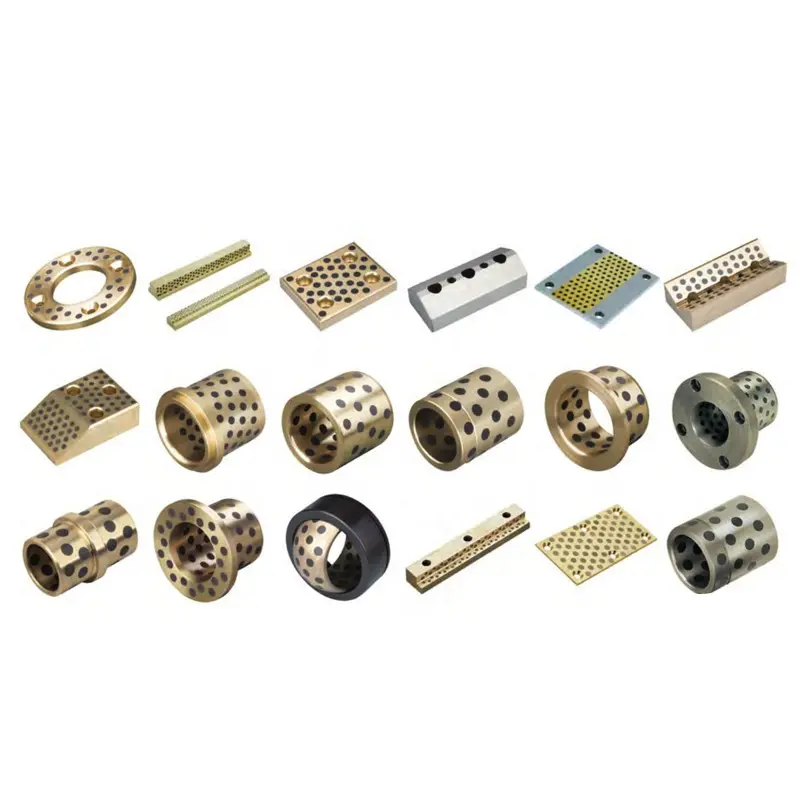 自润滑材料
自润滑材料
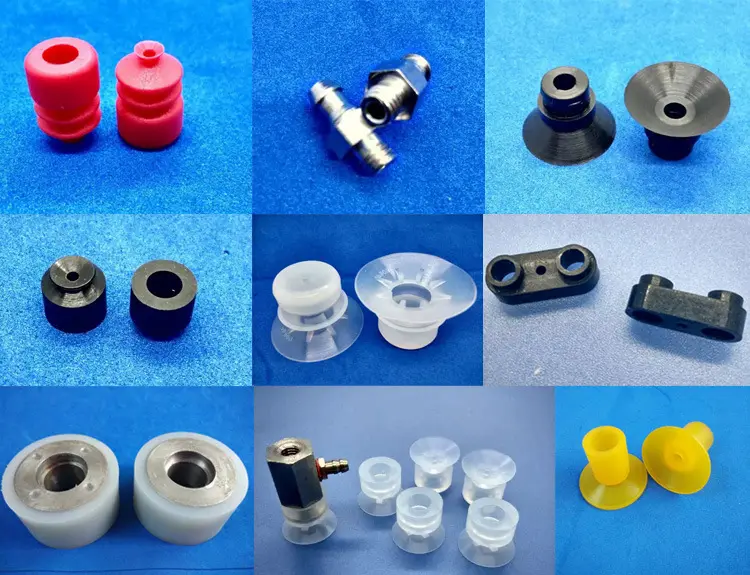 密封材料
密封材料
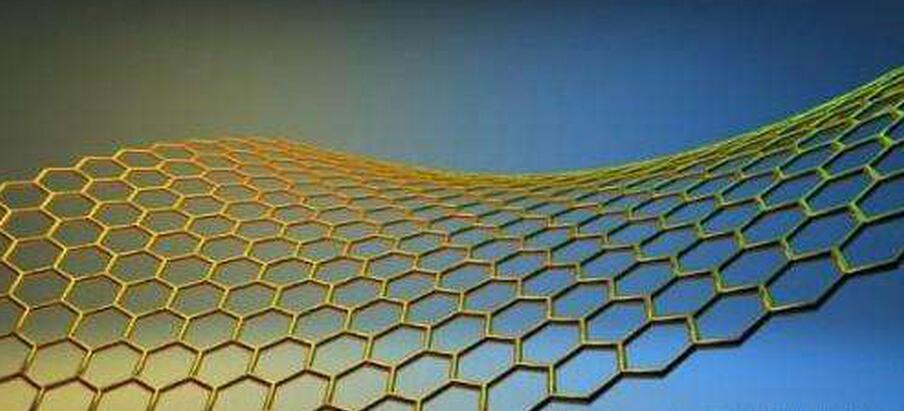 新兴材料
新兴材料
 加工设备
加工设备
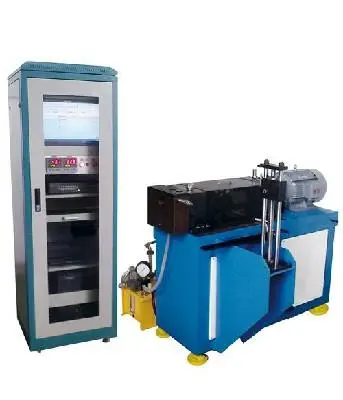 摩擦试验机
摩擦试验机
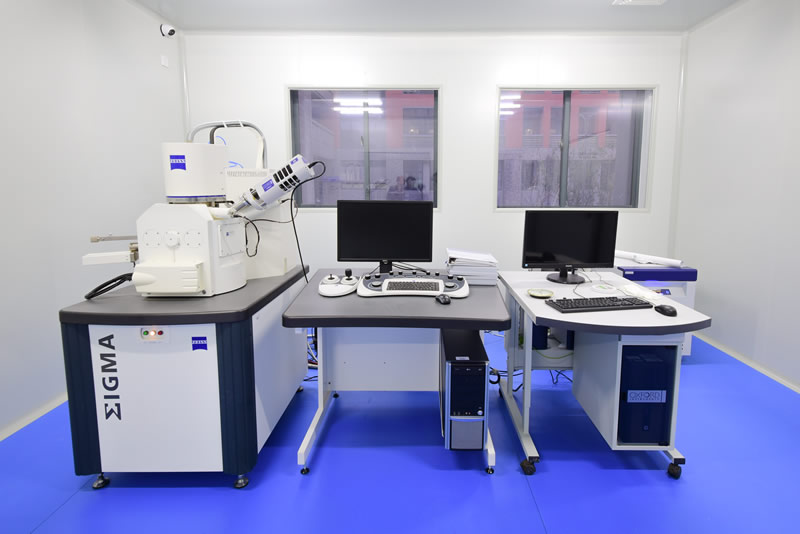 大型表征仪器
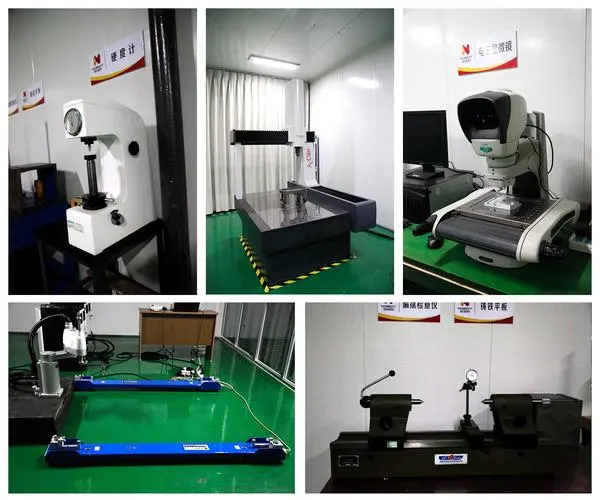 小型测试设备