Ice friction is a common and important phenomenon in interface science. Regulating ice friction is a key topic that contributes to vehicle safety and improves sports performance. Steel is often used in winter sports equipment such as skate blades, skeletons, and luge. However, the effect of hydrated ions and surface wettability of steel on its tribological properties has not been systematically studied, especially at relatively low temperatures. In this study, the effects of hydrated ions, different surface treatments of steel, and their combination on ice friction coefficients are compared. Additionally, the influence of ion species and concentration, combined with different wettability surfaces, is investigated. Experimental and computational results reveal that hydration ions enhance the mobility of the lubricating layer through hydration-repulsive forces and the breaking of hydrogen bonds (H-bonds). Different wettability surfaces affect ice friction coefficients by altering the adhesion force between water and solids. Using regulation strength, ice friction coefficients can be reduced by up to 50% using hydration ions at -20 degrees centigrade, whereas changing surface wettability achieves approximately a 20% reduction. This study provides experimental and computational data on ice friction and offers guidance for modulating friction coefficients between ice and steel.
周老师: 13321314106
王老师: 17793132604


邮箱号码: lub@licp.cas.cn





 润滑剂
润滑剂
 润滑油添加剂
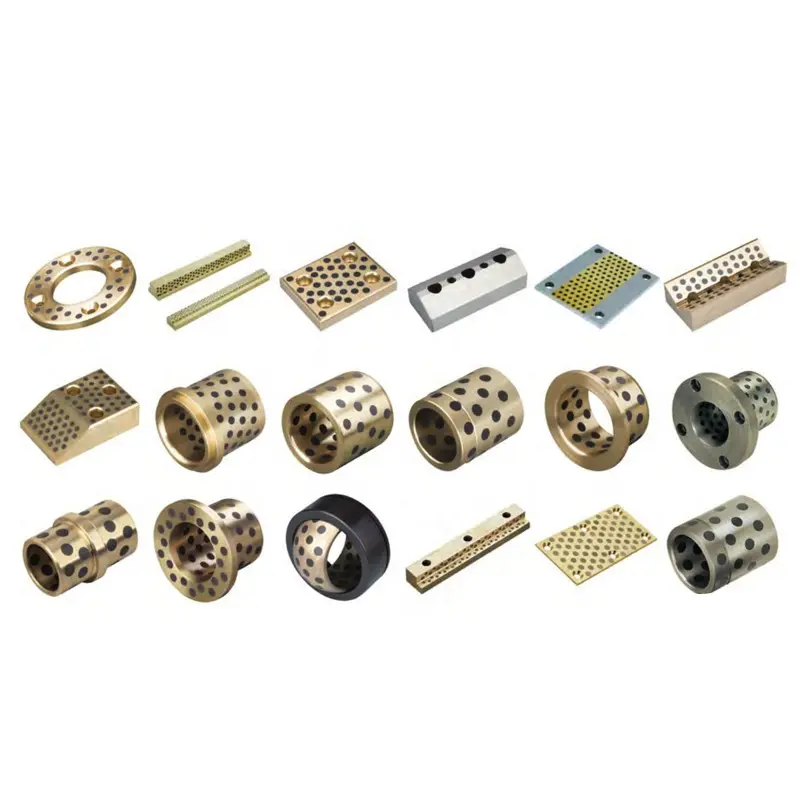 自润滑材料
自润滑材料
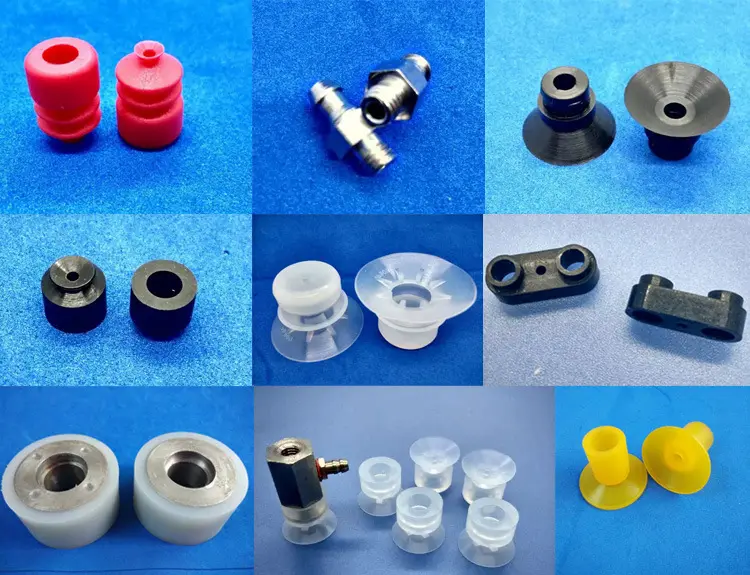 密封材料
密封材料
 新兴材料
新兴材料
 加工设备
加工设备
 摩擦试验机
摩擦试验机
 大型表征仪器
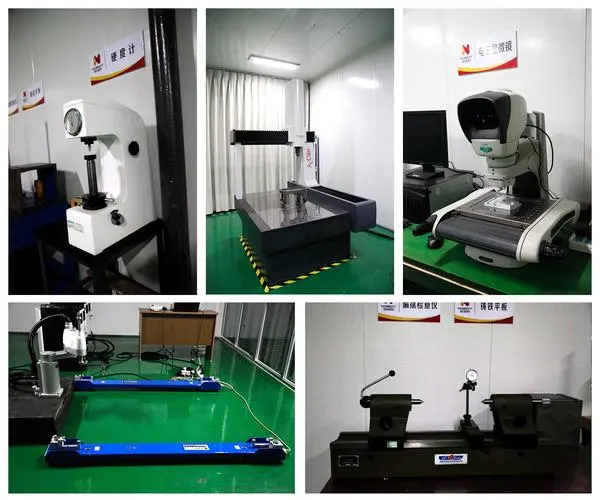 小型测试设备