The development of advanced solid lubricants is critical for enhancing energy efficiency and durability in mechanical systems. In this study, we investigate the tribological performance of hybrid solid lubricant coatings composed of two-dimensional titanium carbide (Ti₃C2Tx)- and niobium carbide (Nb₂CTx)-based MXenes. Coatings were applied via spray deposition onto AISI 304 stainless steel substrates and tested under dry sliding conditions against Al₂O₃ counterbodies. While individual MXene coatings exhibited limited friction stability, the hybrid Ti₃C2Tx/Nb₂CTxcoating demonstrated a significantly reduced and stable coefficient of friction (COF < 0.2) throughout the test duration. Comprehensive surface and structural analyses of the wear tracks including SEM-EDS, Raman spectroscopy, and TEM revealed the formation of a compact, stratified tribofilm. We propose as a phenomenological model that under tribological stress, the hybrid system undergoes adaptive reconfiguration: Ti₃C2Tx anchors to the substrate, enhancing adhesion and mechanical integrity, while Nb₂CTx migrates to the sliding interface, acting as a sacrificial layer. This dynamic redistribution results in a synergistic interaction that enhances tribochemical resilience and wear resistance. These findings establish hybrid MXene coatings as a promising strategy for engineering next-generation solid lubricants, offering new pathways for the design of high-performance, energy-efficient coatings in demanding industrial applications.
周老师: 13321314106
王老师: 17793132604


邮箱号码: lub@licp.cas.cn





 润滑剂
润滑剂
 润滑油添加剂
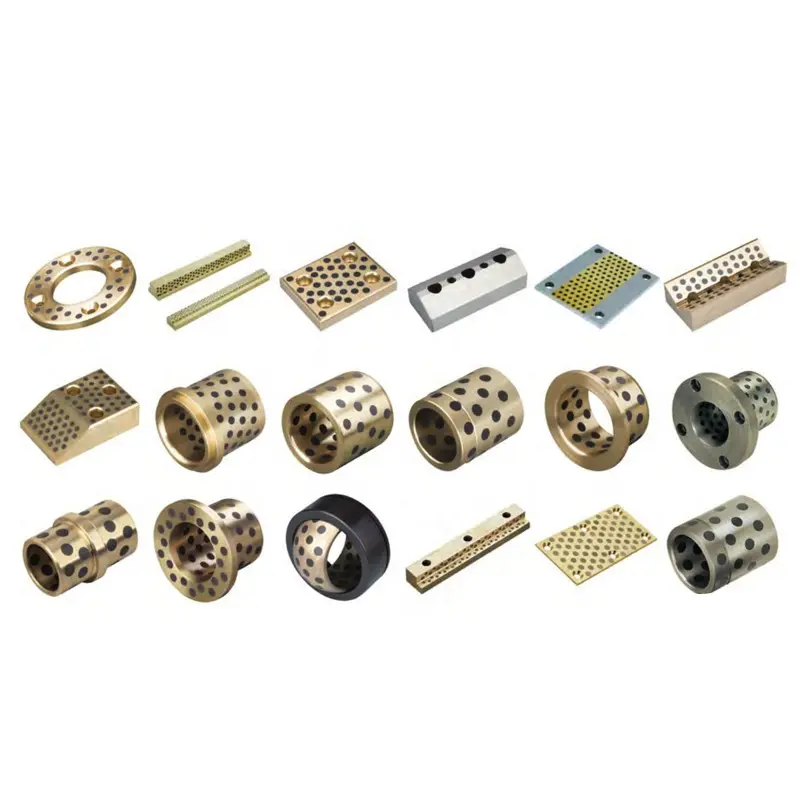 自润滑材料
自润滑材料
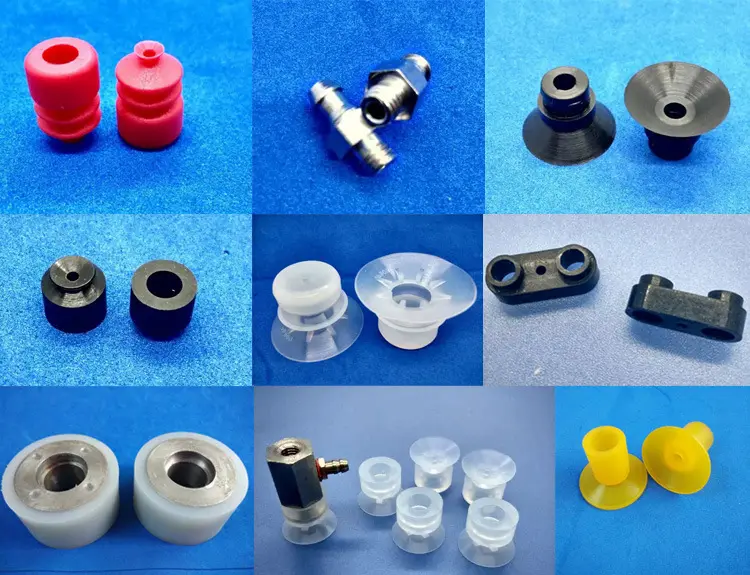 密封材料
密封材料
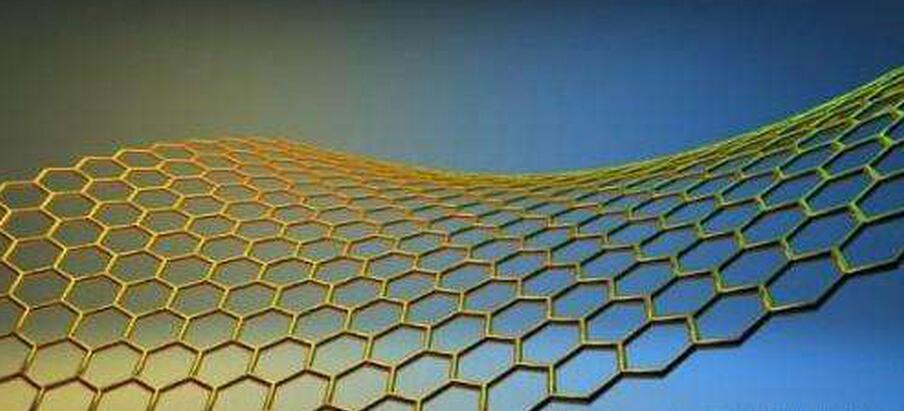 新兴材料
新兴材料
 加工设备
加工设备
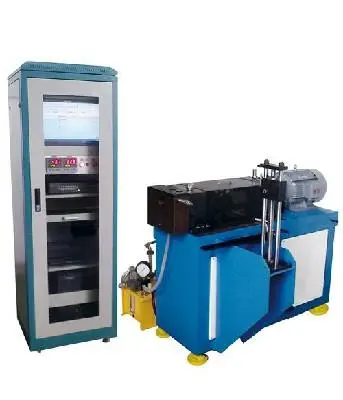 摩擦试验机
摩擦试验机
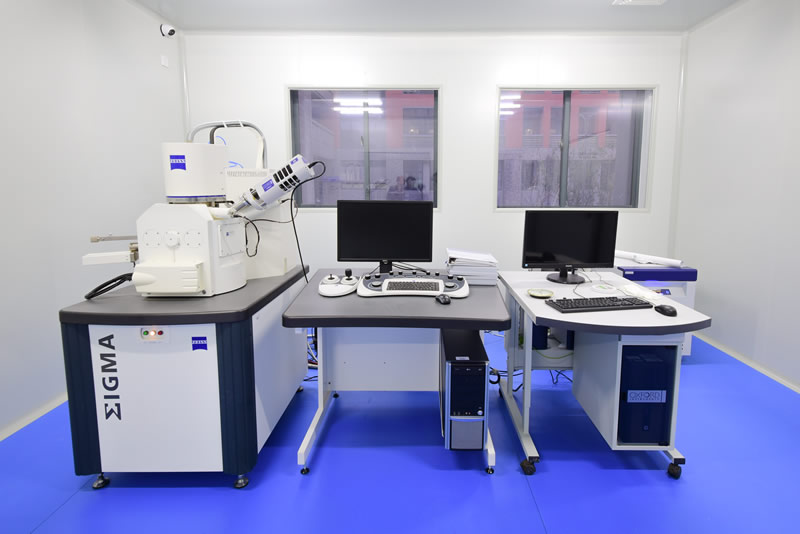 大型表征仪器
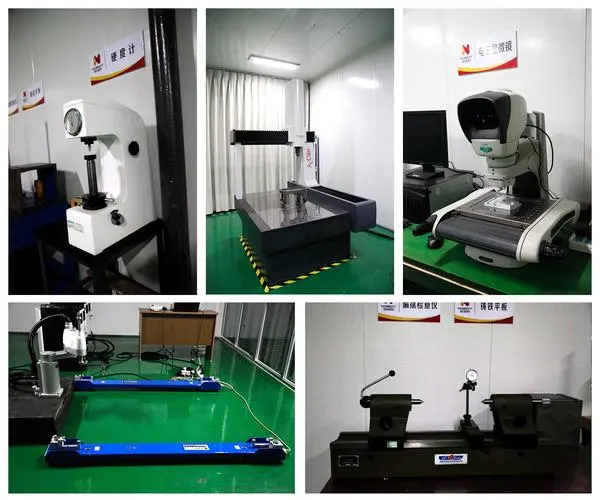 小型测试设备