Direct seawater electrolysis is a promising strategy for sustainable hydrogen production, yet it faces critical challenges in catalyst design, including scalability, chloride corrosion resistance, and cost efficiency. A one-step interfacial redox strategy is reported to construct Fe/Co co-doped Ru@Ni(OH)2 electrodes (Ru@FeCo–Ni(OH)2), enabling precise control of metal coordination environments while ensuring industrial-scale manufacturability. This method enables the fabrication of 5000 cm2 electrodes with no performance deviation, demonstrating compatibility with commercial electrolyzers. The Ru@FeCo-Ni(OH)2 electrodes exhibit remarkable durability (>3000 h) and achieve hydrogen production at $0.87 per kg using natural seawater from the South China Sea (unpurified, with KOH added), surpassing the U.S. Department of Energy's 2031 cost target of $1 per kg. Operando spectroscopy and DFT calculations reveal a synergistic co-doping mechanism: 1) d-band center downshifting (ΔE = 0.68 eV) optimizes hydrogen adsorption for superior hydrogen evolution reaction performance, while 2) accelerated surface reconstruction forms chloride-resistant oxyhydroxide layers, improving oxygen evolution reaction efficiency. This work establishes a new paradigm in bifunctional catalyst design, providing mechanistic insights into active site evolution and a scalable pathway for cost-effective green hydrogen production directly from seawater.
周老师: 13321314106
王老师: 17793132604


邮箱号码: lub@licp.cas.cn





 润滑剂
润滑剂
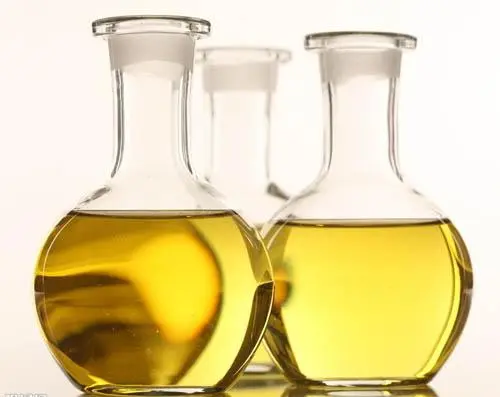 润滑油添加剂
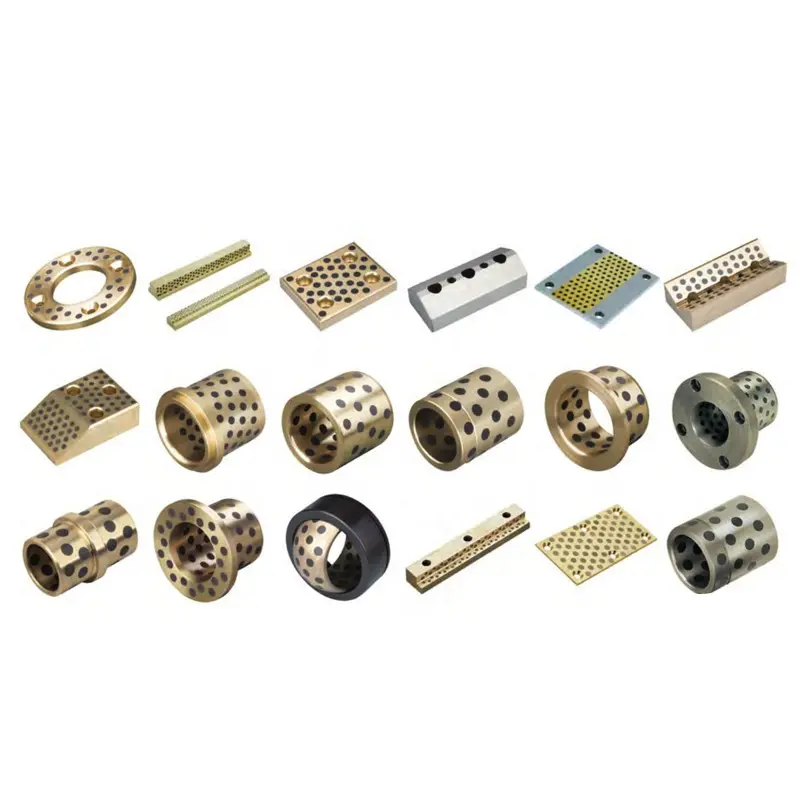 自润滑材料
自润滑材料
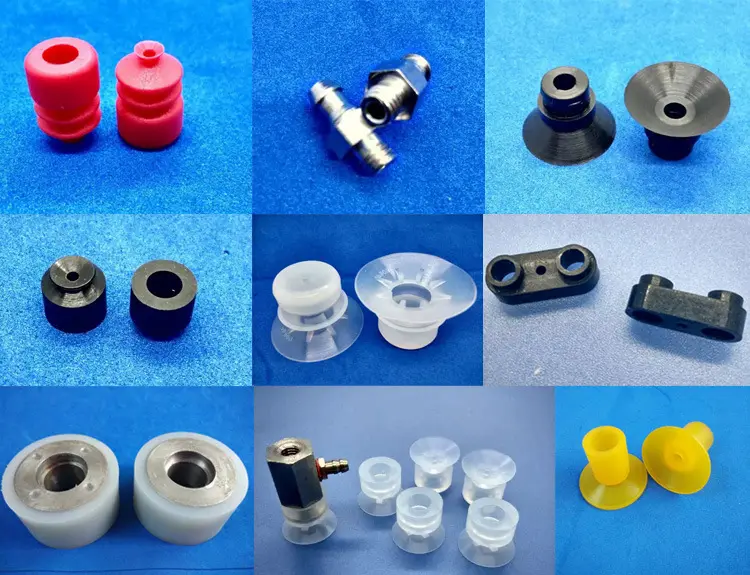 密封材料
密封材料
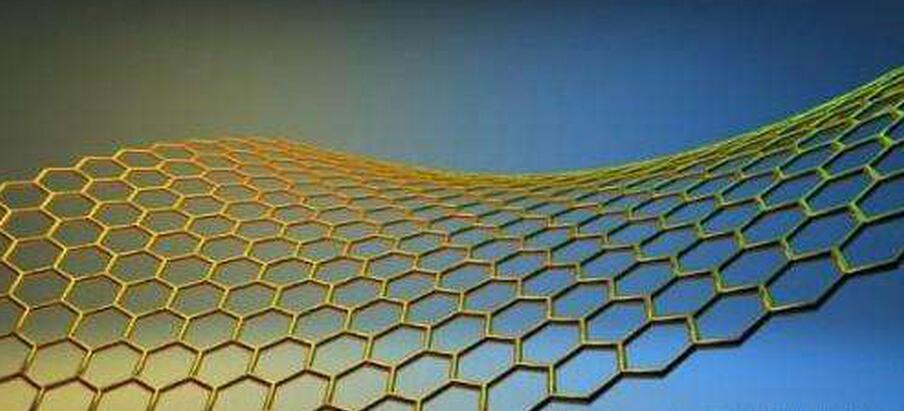 新兴材料
新兴材料
 加工设备
加工设备
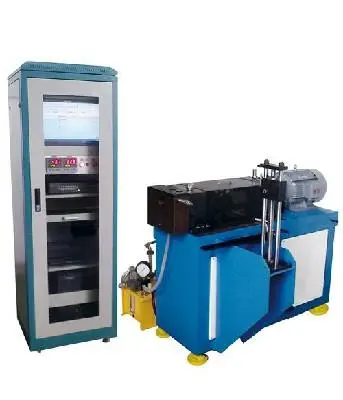 摩擦试验机
摩擦试验机
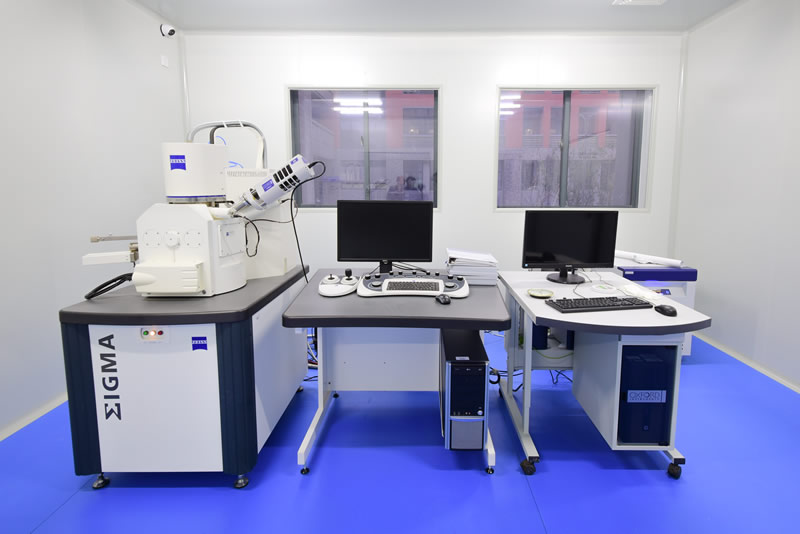 大型表征仪器
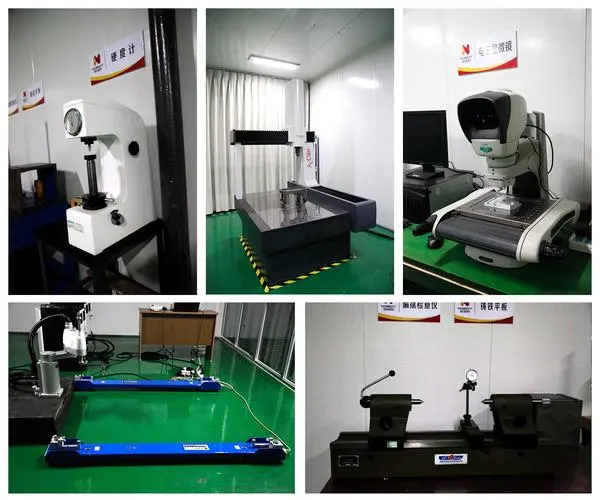 小型测试设备