Mechanical-Sensing Multifunctional Integrated System (MSMIS) that combines comfort and protection is essential for intelligent wearables. However, thickness constraints significantly limit the development of multifunctional metamaterials. While 2D metamembrane sensors provide sensitivity and conformability, they compromise energy absorption and multistage deformation in the vertical dimension. Here, we present a multifunctional sandwich architecture using mechanical metamaterials as facing layers. This design ensures consistent adherence to human movement while preventing saddle-shaped deformation under out-of-plane loads. By maintaining the wearable device's thickness, we employed a self-similar mathematical Hilbert curve structure as the core, which demonstrates excellent two-stage load-bearing capacity. This multi-stage capacity ensures the first-stage modulus remains below the human comfort level (0.1 MPa), while the second-stage modulus increases by 510 times, achieving high load-bearing and energy absorption performance under large deformation. Subsequent impact experiments and cross-scale analyses further demonstrate the broad application potential of this mechanical-sensing integrated structure, enabling real-time monitoring of knees, elbows, and even fingers. Finally, by integrating machine learning, gesture recognition capabilities are achieved. This innovative design strategy opens up new possibilities for developing multi-functional mechanical-sensing integrated structures.
周老师: 13321314106
王老师: 17793132604


邮箱号码: lub@licp.cas.cn





 润滑剂
润滑剂
 润滑油添加剂
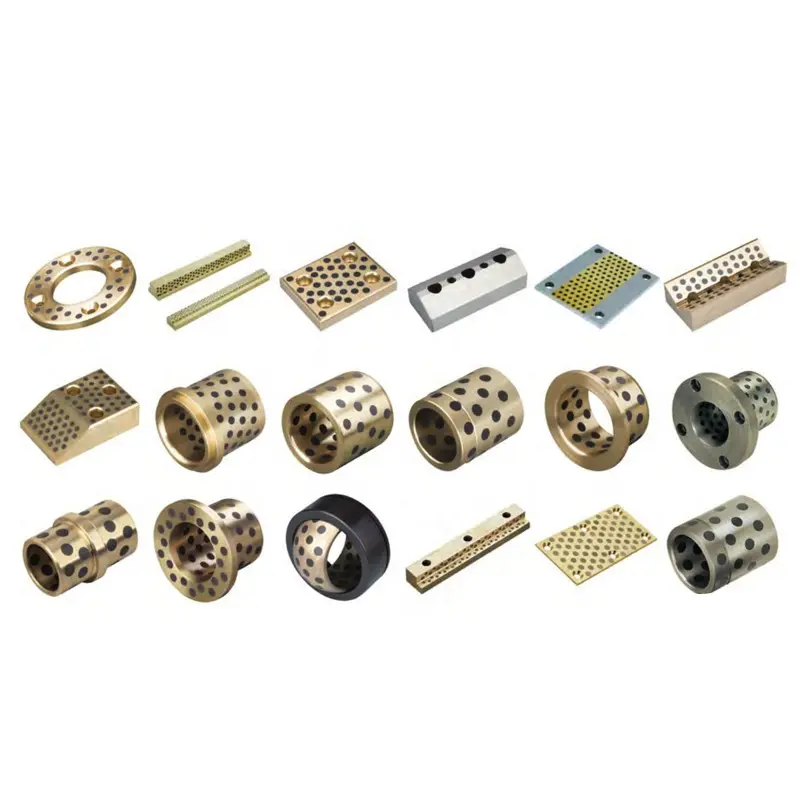 自润滑材料
自润滑材料
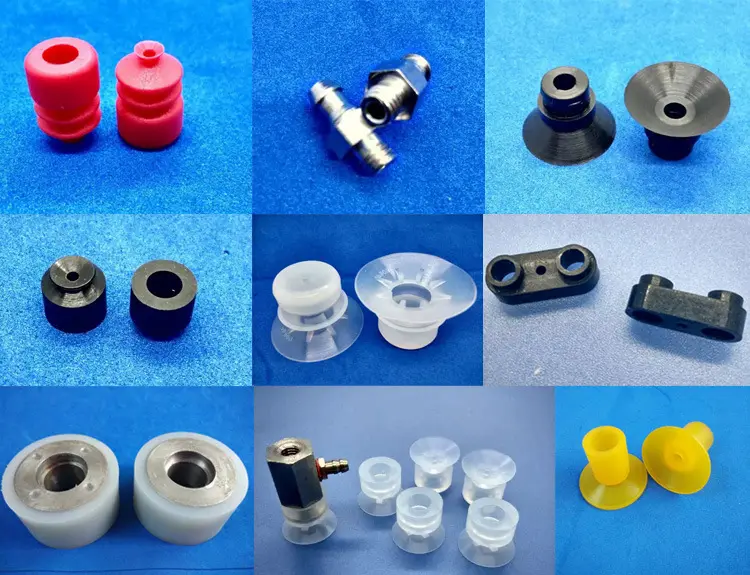 密封材料
密封材料
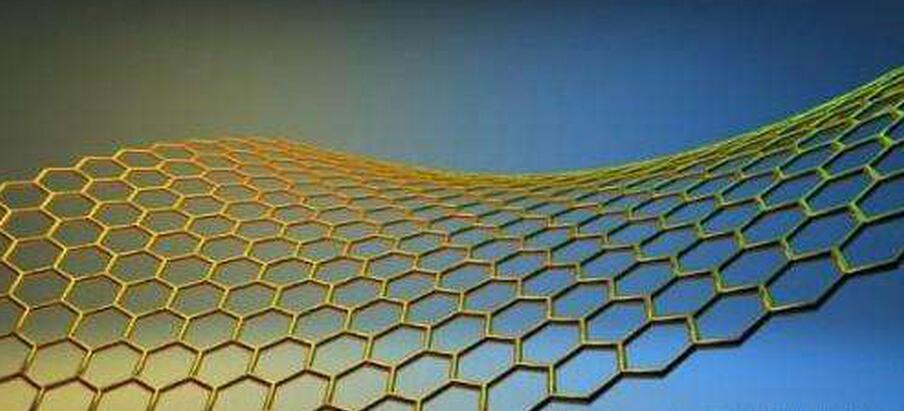 新兴材料
新兴材料
 加工设备
加工设备
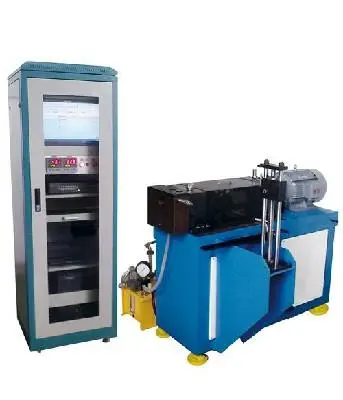 摩擦试验机
摩擦试验机
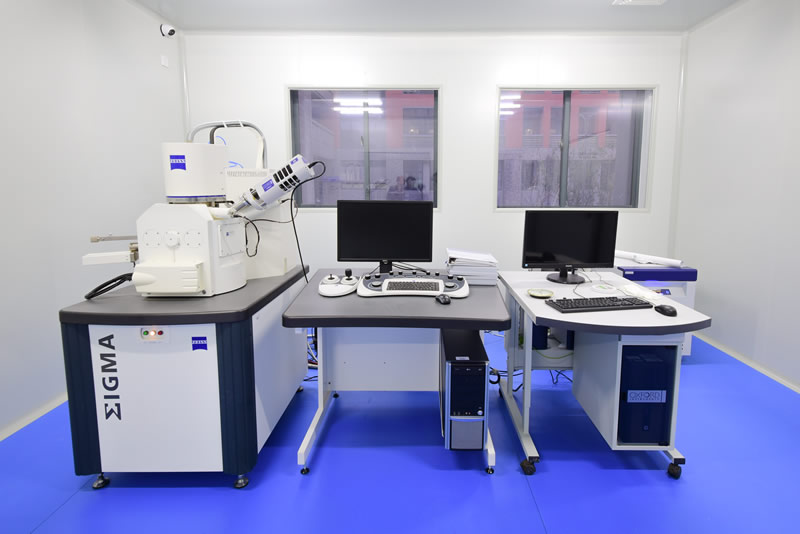 大型表征仪器
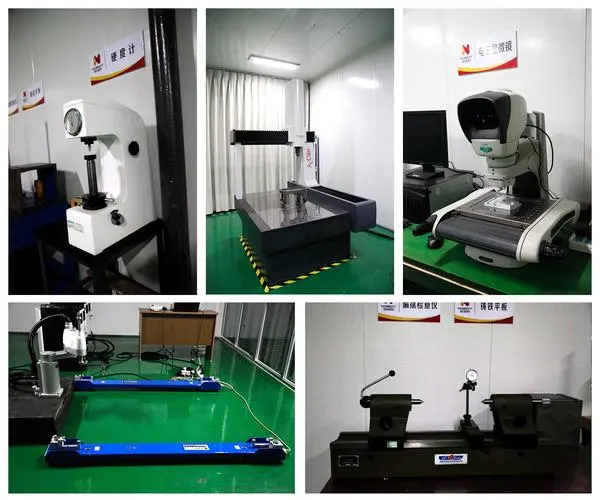 小型测试设备