Nowadays, the microstructural morphologies of superhydrophobic surfaces play a crucial role in determining their aerodynamic performance under high-speed flow conditions. Undesigned microstructures even have adverse effects on energy consumption during flight. In this work, a hierarchical structure with both aerodynamic drag reduction and superhydrophobic properties was designed and fabricated. Simulation results indicate that a higher reverse velocity grade and larger micro-vortexes together contribute to a 3.79% drag reduction rate in the microstructure. Moreover, an optimal microstructure angle of 30° not only inhibits ice nucleation on the superhydrophobic surface under static conditions, but also isolates the supercooled droplets from the surface by inducing microvortices in dynamic flow environments, demonstrating a remarkable ice mass reduction of 28.1%. Notably, the hierarchical structure surface exhibits an exceptionally low ice adhesion force (<6 kPa), which is primarily attributed to the concentrated stress induced by its structural morphology. The excessively concentrated stress promotes the phase transformation of ice crystals without the requirement of melting and the formation of a “sliding layer,” significantly lowering the critical force required to initiate ice movement. The exploration of this hierarchical structure surface offers a novel perspective and theoretical framework for advancing the practical deployment of superhydrophobic materials in anti-icing applications.
周老师: 13321314106
王老师: 17793132604


邮箱号码: lub@licp.cas.cn





 润滑剂
润滑剂
 润滑油添加剂
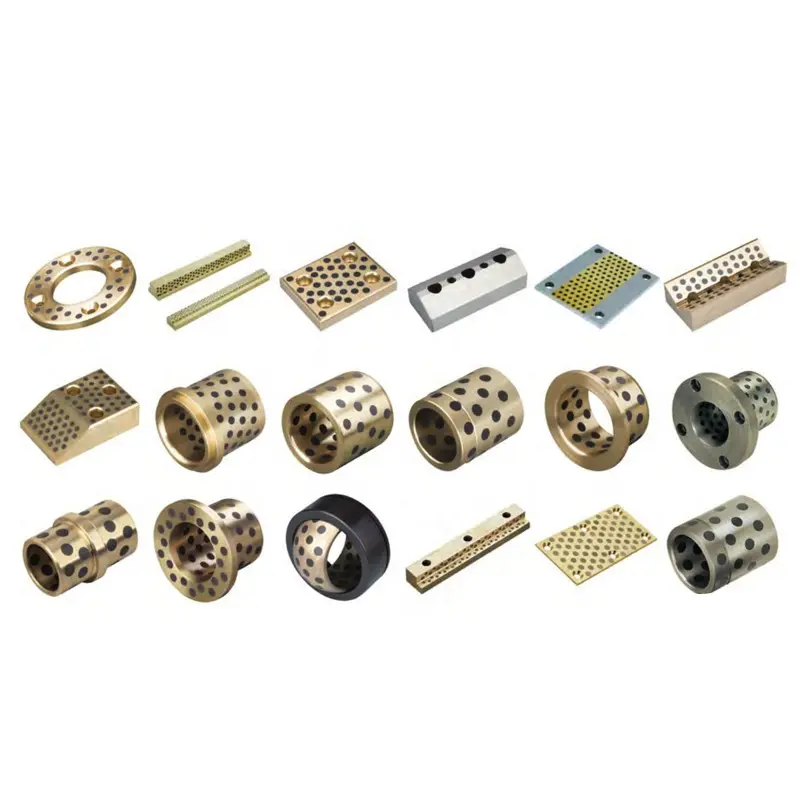 自润滑材料
自润滑材料
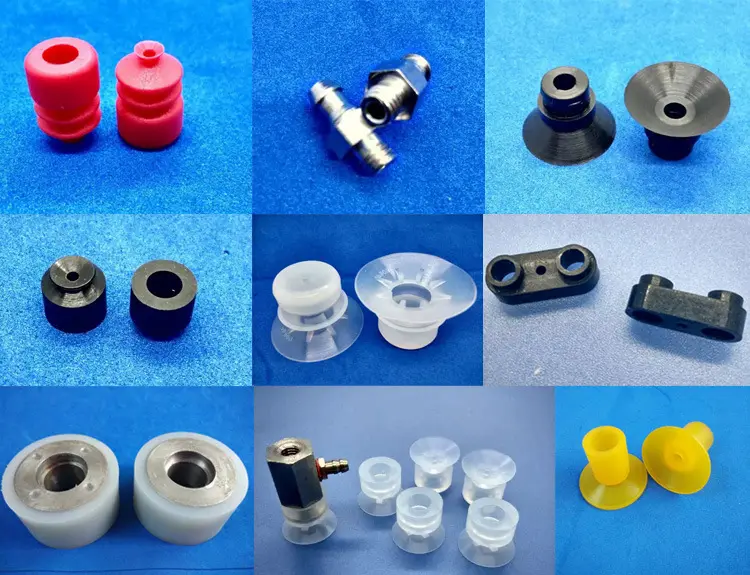 密封材料
密封材料
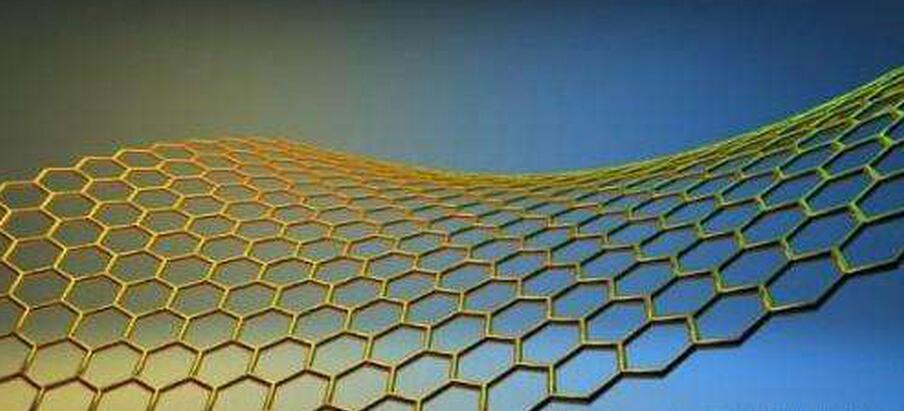 新兴材料
新兴材料
 加工设备
加工设备
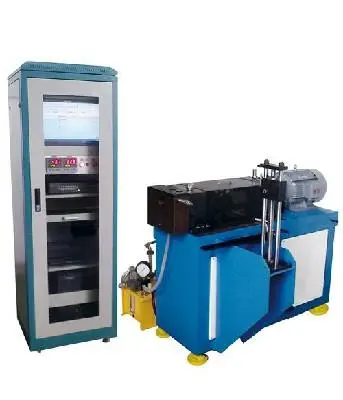 摩擦试验机
摩擦试验机
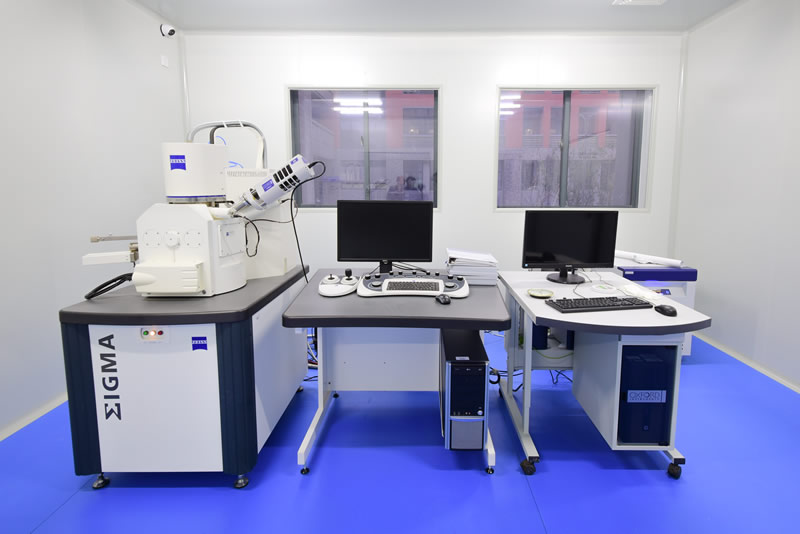 大型表征仪器
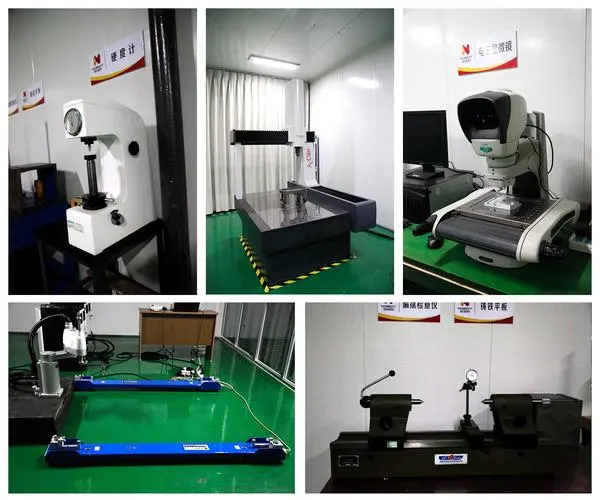 小型测试设备