Corrosion-derived nickel-iron layered double hydroxides (NiFe-LDH) on iron (NiFe@Fe) are promising oxygen evolution reaction (OER) electrodes for cost-effective green hydrogen production. However, the influence of anions in corrosion solutions on their structure and catalytic behavior remains elusive. Here, NiFe@Fe-X (X = SO4, Cl, NO3) electrodes are prepared using NiSO4, NiCl2, Ni(NO3)2 solutions. Structural analyses demonstrate that NiFe@Fe-SO4 comprises an iron core, a nickel interlayer, and a Fe2+-doped NiFe-LDH shell, whereas NiFe@Fe-Cl forms an additional α-FeOOH overlayer due to Cl−-accelerated iron corrosion. In contrast, oxidative NO3− produces an iron-oxide interlayer and a Fe2+-free NiFe-LDH shell with α-FeOOH coating. Despite structural distinctions, all NiFe@Fe-X share the same active phase (nickel-iron oxyhydroxides) and reaction pathway. Among them, NiFe@Fe-SO4 delivers the highest OER activity, attributed to Fe2+ doping of NiFe-LDH, a conductive interlayer, and a porous NiFe-LDH shell without α-FeOOH blockage that minimizes kinetic, ohmic, and mass-transport losses. NiFe@Fe-SO4 delivers 500 mA cm−2 at 1.56 V with remarkable stability (−4 µV h−1) over 800 h in an alkaline water electrolyzer (1 cm2 active area) and can be further upscaled to 2 m × 0.3 m, underscoring its industrial viability. This work offers fundamental insights into anion-regulated corrosion chemistry and design principles for efficient OER electrodes.
周老师: 13321314106
王老师: 17793132604


邮箱号码: lub@licp.cas.cn





 润滑剂
润滑剂
 润滑油添加剂
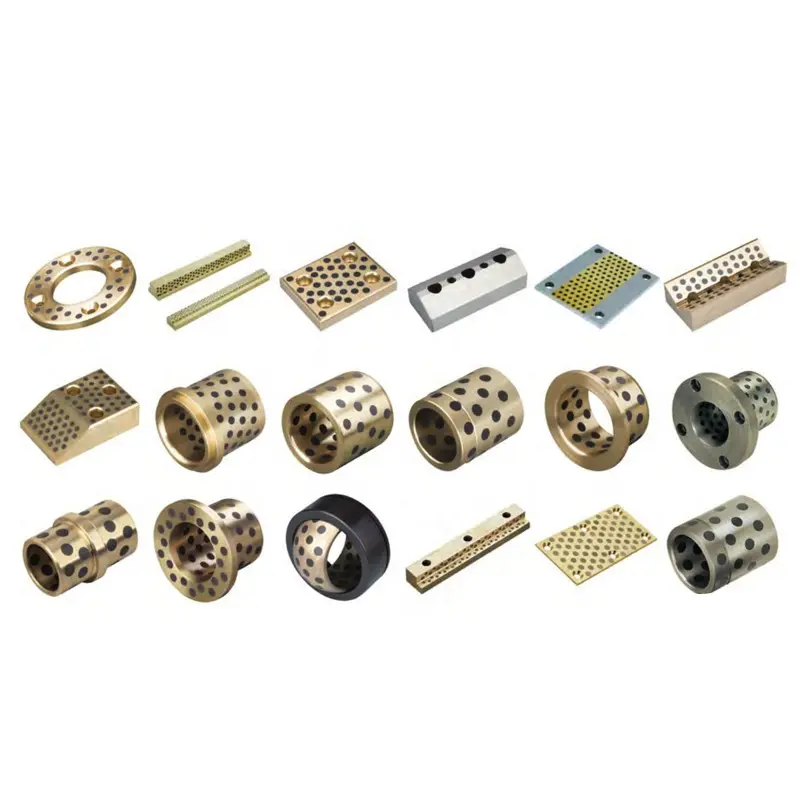 自润滑材料
自润滑材料
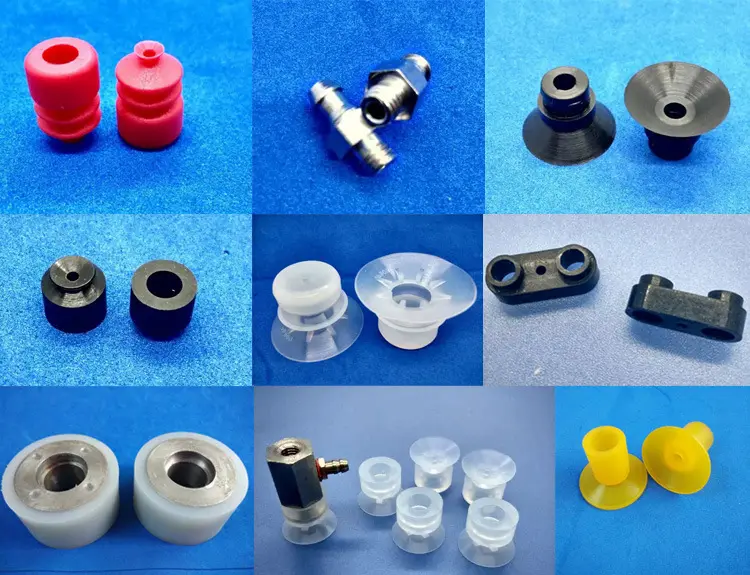 密封材料
密封材料
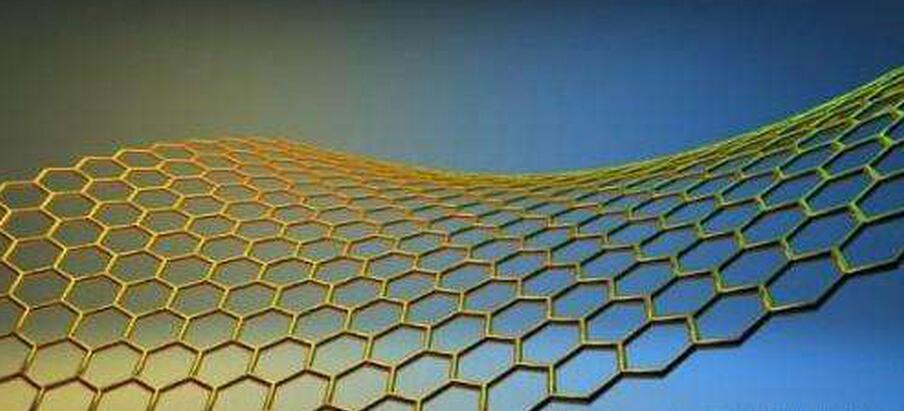 新兴材料
新兴材料
 加工设备
加工设备
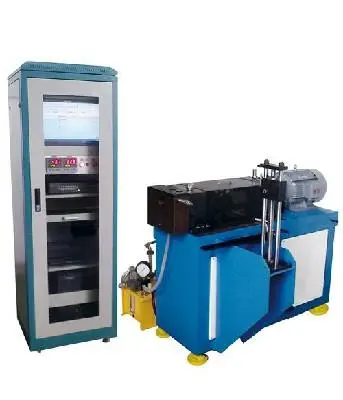 摩擦试验机
摩擦试验机
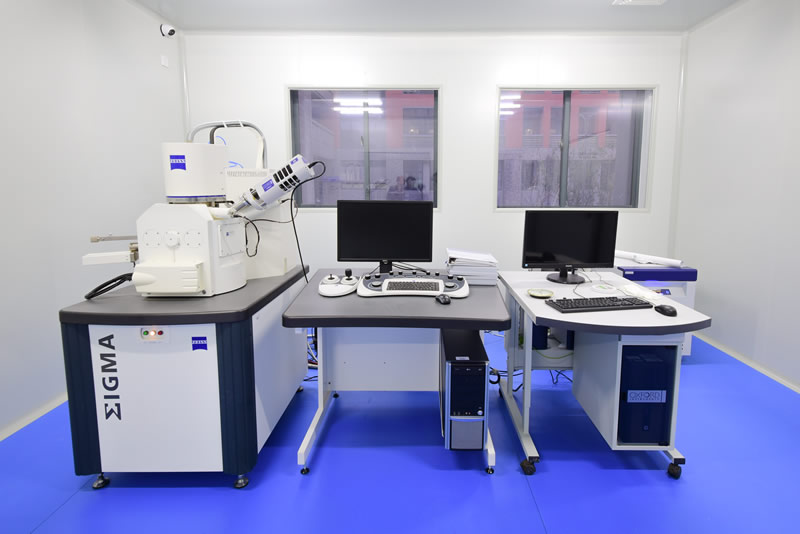 大型表征仪器
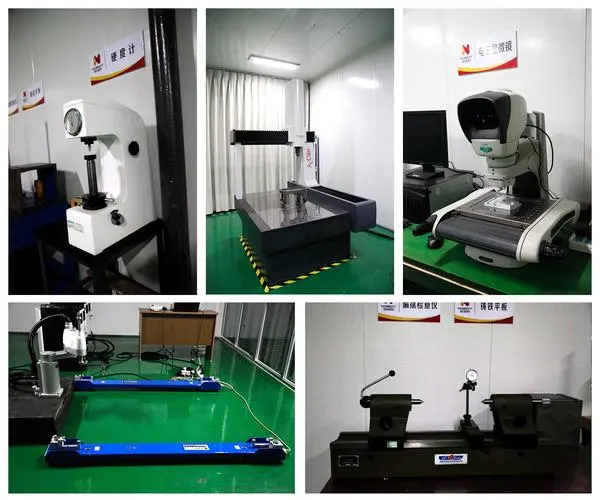 小型测试设备