Electric-field-driven zinc corrosion fundamentally restricts the durability of aqueous zinc-ion batteries (AZIBs), yet its underlying mechanism remains challenging. Herein, the governing role of electric field intensity in Zn corrosion is elucidated by integrating electrochemical analysis with nanoscale surface and interfacial probes. Strong electric fields are revealed to accelerate corrosion through amplified surface heterogeneity, hydrogen evolution, and by-product accumulation, leading to unstable Zn deposition. To mitigate these effects, a sulfur-rich anticorrosive shielding layer is in situ configured onto Zn surface. This interphase comprises a ZnS-rich inner layer, a ZnN-rich outer layer, and uniformly distributed ZnSO3. This unique structure endows the electrode with mechanical robustness, homogenizes Zn-ion flux, and suppresses electric-field-driven corrosion. Consequently, Zn//Zn symmetrical cells achieve an extended lifespan of 1250 h at 20 mA·cm−2 and 5 mAh·cm−2, and Zn//Cu half cells deliver 690 cycles with 99.7 % Coulombic efficiency. Furthermore, Zn–I2 full cells retain 93.8 % capacity over 20000 cycles at 8 A·g−1, while a 7.5 × 7.5 cm2 pouch cell sustains a discharge capacity of 180.6 mAh after 1200 cycles without attenuation. These findings clarify the role of the electric field in Zn corrosion and provide a practical interphase-engineering strategy toward durable Zn anodes for high-performance AZIBs.
周老师: 13321314106
王老师: 17793132604


邮箱号码: lub@licp.cas.cn





 润滑剂
润滑剂
 润滑油添加剂
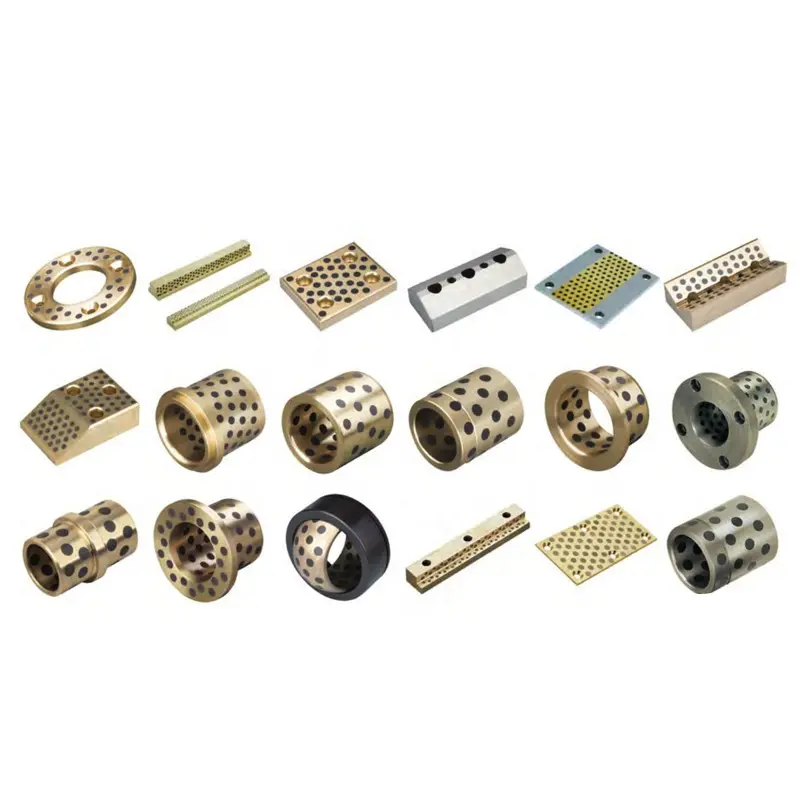 自润滑材料
自润滑材料
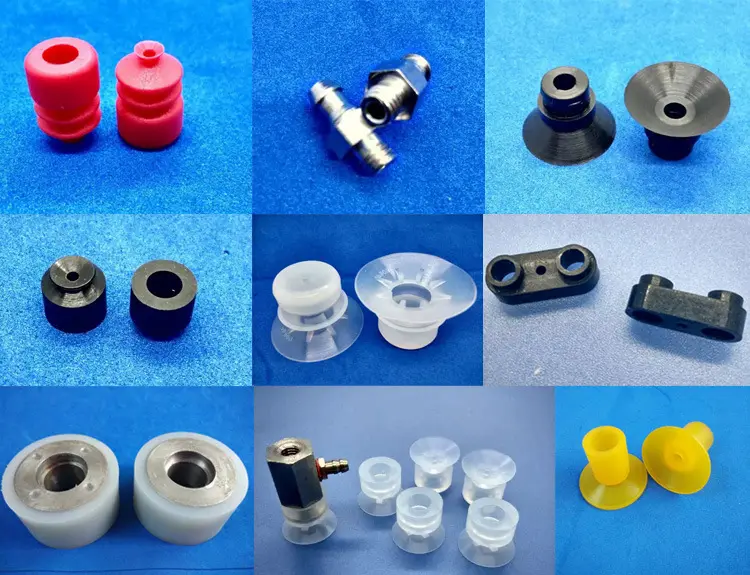 密封材料
密封材料
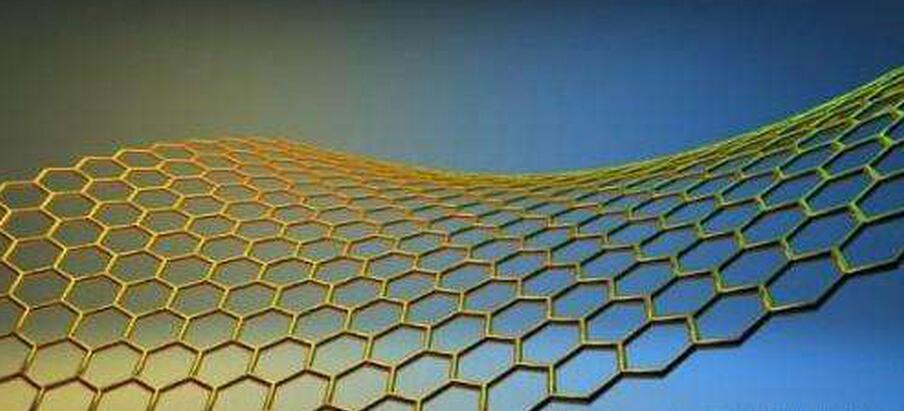 新兴材料
新兴材料
 加工设备
加工设备
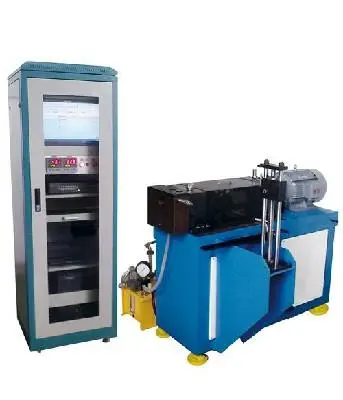 摩擦试验机
摩擦试验机
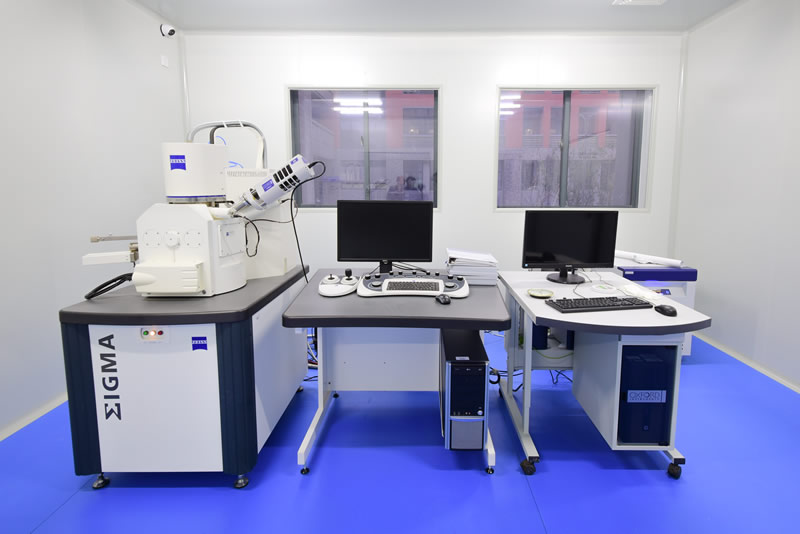 大型表征仪器
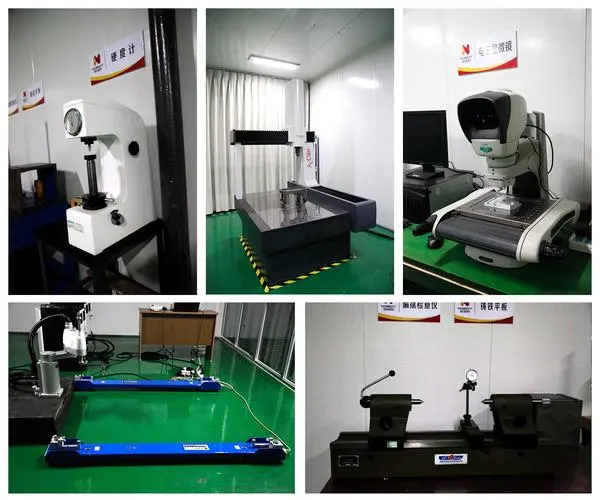 小型测试设备