To systematically investigate the influence of silicon (Si) content and alloying elements on the tribological properties of aluminum silicon (AlSi) alloys, samples with varying Si contents (6, 8, 10, 12 wt%) and the Al-10Si alloys modified with 2 wt% Cr, 2 wt% Mo, 2 wt% Cr + 2 wt% Mo, and 1 wt% Ce were prepared via vacuum casting. The microstructures, mechanical properties, and tribological behaviors of these alloys were characterized using scanning electron microscopy (SEM), energy-dispersive x-ray spectroscopy (EDS), X-ray diffraction (XRD), Vickers hardness, and tribological tests. The results indicate that increasing the Si content leads to a gradual rise in hardness and a concurrent reduction in the friction coefficient. Al12Si exhibited a 19.7% increase in hardness and a 26.8% reduction in friction coefficient compared to Al6Si. The addition of alloying elements further enhanced these properties. Al-10Si2Cr2Mo showed the highest hardness, attributable to the combined effects of solid-solution strengthening by chromium (Cr) and molybdenum (Mo) atoms in the α-Al matrix and dispersion strengthening from Al13Cr4Si4 and Mo3Si precipitates. Al-10Si1Ce ranked second in hardness, due to grain refinement through cerium (Ce) inhibition of grain growth. Al-10Si2Cr2Mo also exhibited the best wear resistance, followed by Al-10Si1Ce. The improvement is ascribed to microstructural refinement and the presence of dispersed hard phases (Al13Cr4Si4 and Mo3Si flakes, as well as fibrous Al2Si2Ce compounds), which suppress subsurface crack propagation and facilitate the formation of a continuous and dense mechanically mixed layer.
周老师: 13321314106
王老师: 17793132604


邮箱号码: lub@licp.cas.cn





 润滑剂
润滑剂
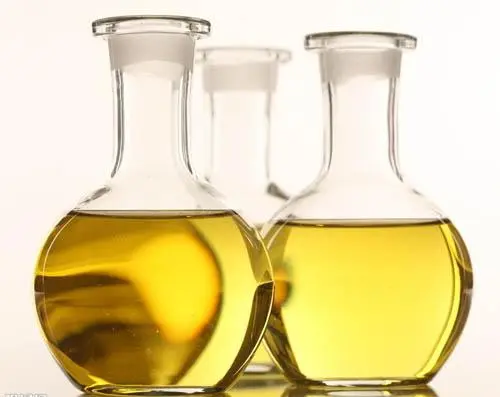 润滑油添加剂
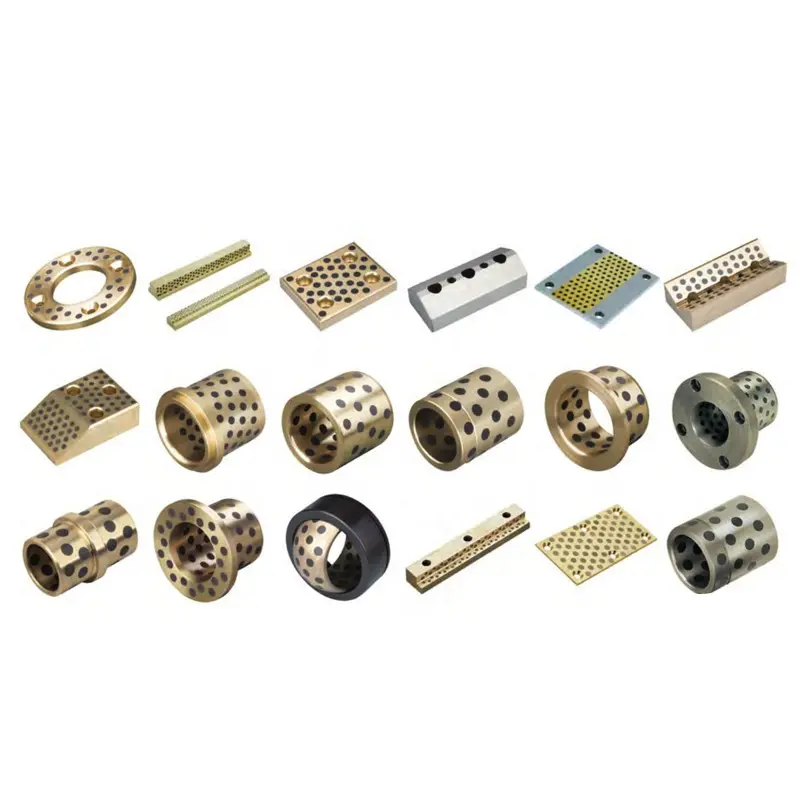 自润滑材料
自润滑材料
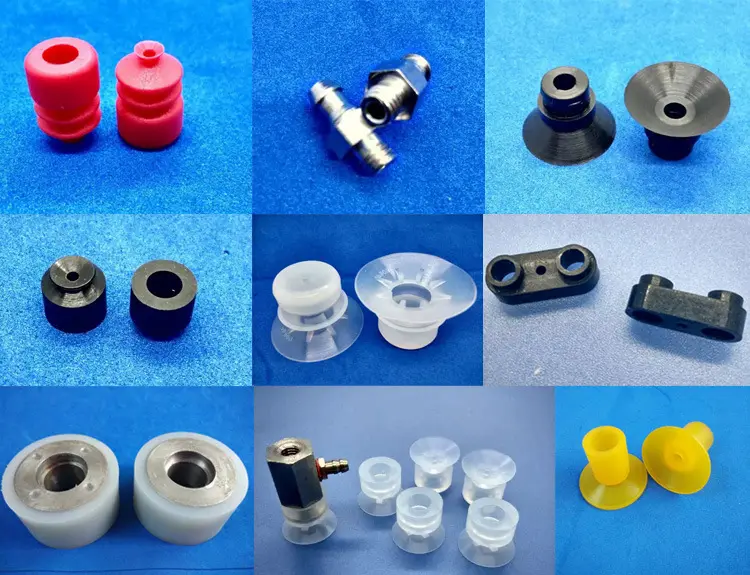 密封材料
密封材料
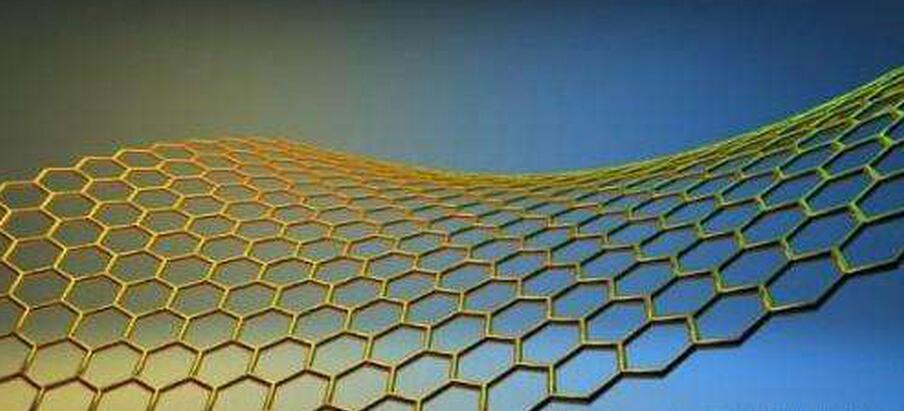 新兴材料
新兴材料
 加工设备
加工设备
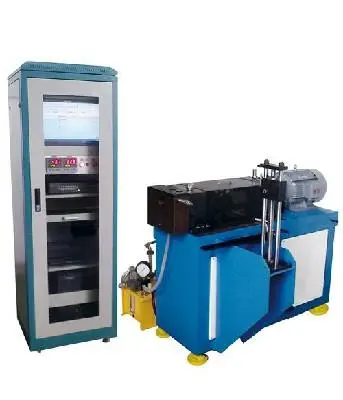 摩擦试验机
摩擦试验机
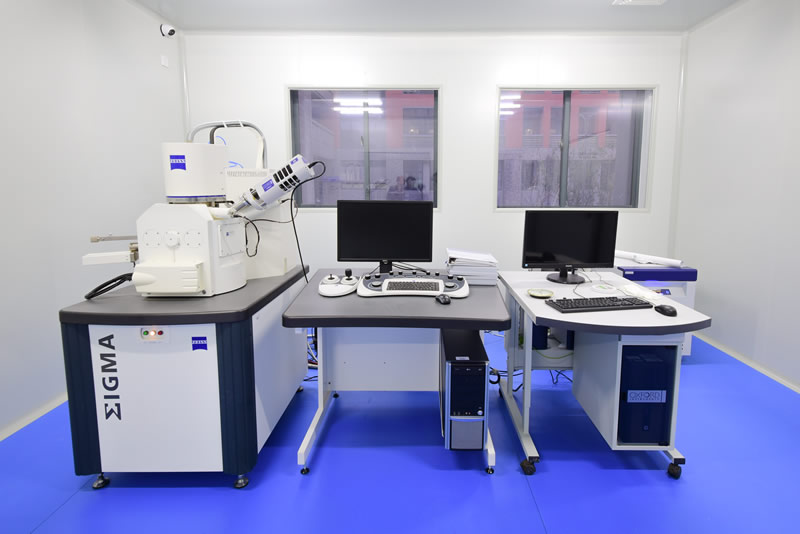 大型表征仪器
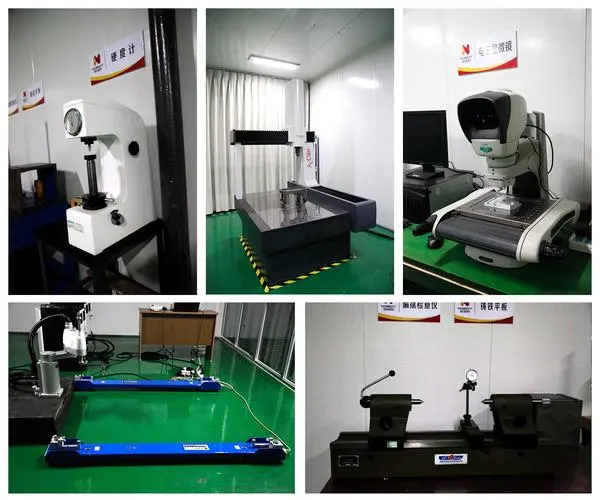 小型测试设备