As a polymer soft material, gels have recently gained attention for their exceptional energy dissipation capabilities. They mitigate vibrations and noise by converting mechanical energy into heat through internal friction and viscous flow. Their tunable viscoelasticity makes them promising for use in wearable electronics, bionic robots, precision instruments, and bioengineering. However, the field lacks comprehensive reviews, standardized characterization methods, and clear design principles. This review systematically examines recent advances in damping gel research. It first establishes a conceptual framework for damping phenomena in gels and pioneers a compilation of quantitative characterization methods to standardize performance evaluation. The article elaborates on the underlying damping mechanisms and introduces innovative strategies for constructing high-performance, energy-dissipating gel networks from multiple dimensions. Furthermore, it summarizes the diverse application fields of damping gel technology. Finally, the review highlights persistent challenges in stability, damping capacity, and practicality, while proposing forward-looking directions for future scientific and technological development.
周老师: 13321314106
王老师: 17793132604


邮箱号码: lub@licp.cas.cn





 润滑剂
润滑剂
 润滑油添加剂
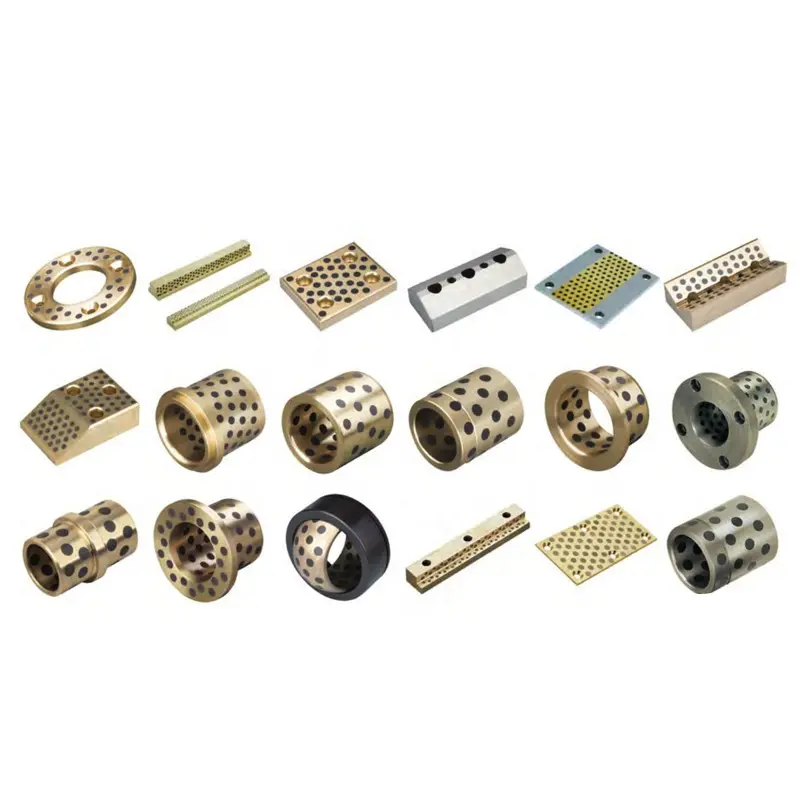 自润滑材料
自润滑材料
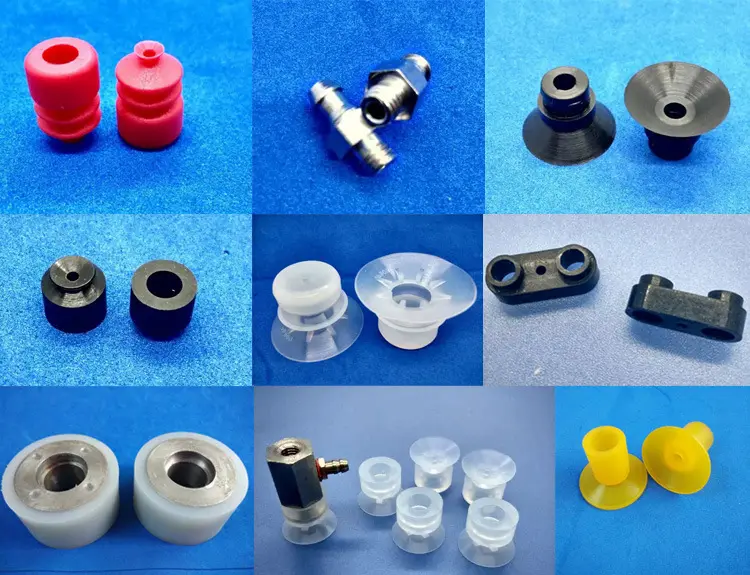 密封材料
密封材料
 新兴材料
新兴材料
 加工设备
加工设备
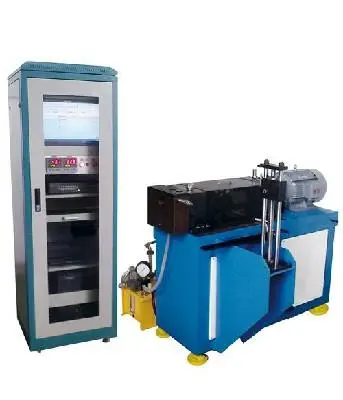 摩擦试验机
摩擦试验机
 大型表征仪器
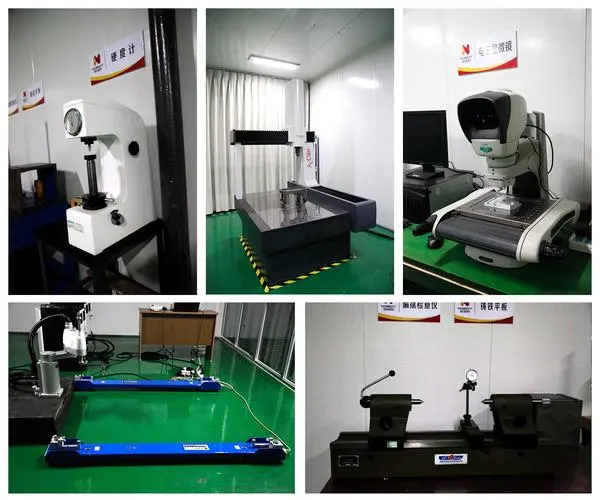 小型测试设备