Managing energy dissipation and multifunctional coupling in structural materials remains a central challenge for advanced aerospace and intelligent systems. Here, we present a design strategy that transforms a traditional aramid/polytetrafluoroethylene (AF/PTFE) composite into a multifunctional platform integrating thermal management, electrical conductivity, and mechanical reinforcement. Through in situ growth and reduction of a silver–organic framework on tannic-acid-activated fibers, a continuous silver–amorphous-carbon (Ag-C) network is constructed, forming hierarchical interphases that couple phonon-electron transport with interfacial stress dissipation. The resulting composite exhibits an ≈82% increase in through-thickness thermal conductivity, a ≈28% enhancement in interlaminar shear strength, and an electrical conductivity of 1.86 S cm−1, while maintaining stable performance under high thermal-mechanical loads. The Ag-C hybrid framework acts as a heat-transfer highway and mechanical–electrical bridge, demonstrating how multiscale interfacial design can synchronize mechanical robustness with thermal–electrical regulation. This work advances beyond lubrication-centered composites by establishing a universal strategy for constructing multifunctional, energy-coupled materials. The concept provides a scalable route toward next-generation functional composites capable of adaptive performance in extreme environments.
周老师: 13321314106
王老师: 17793132604


邮箱号码: lub@licp.cas.cn





 润滑剂
润滑剂
 润滑油添加剂
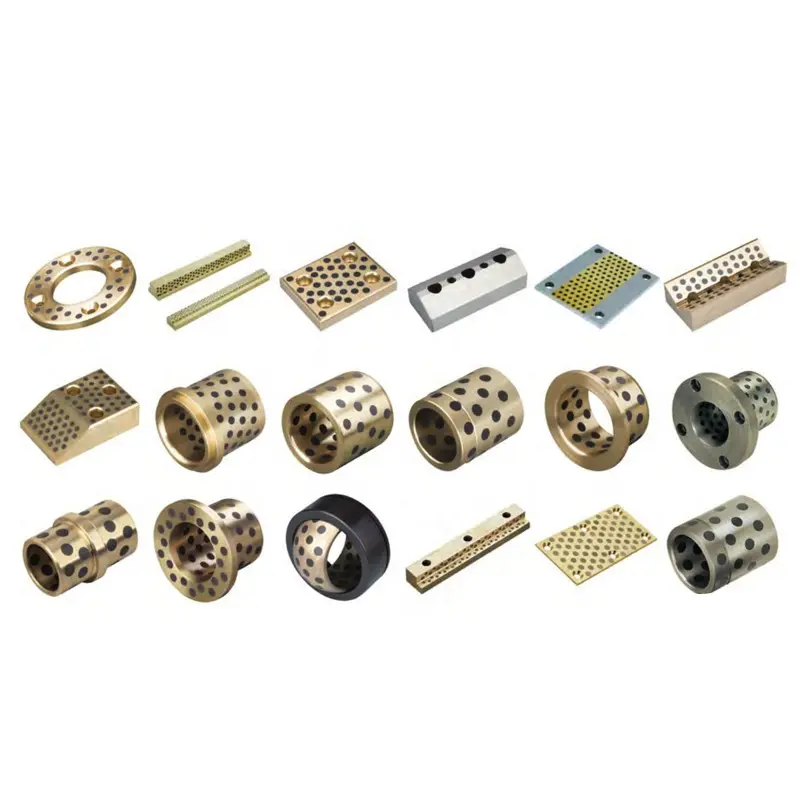 自润滑材料
自润滑材料
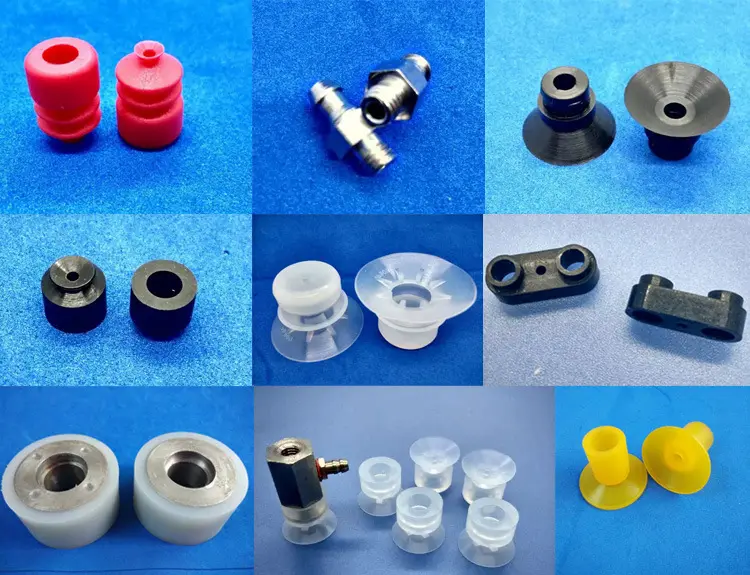 密封材料
密封材料
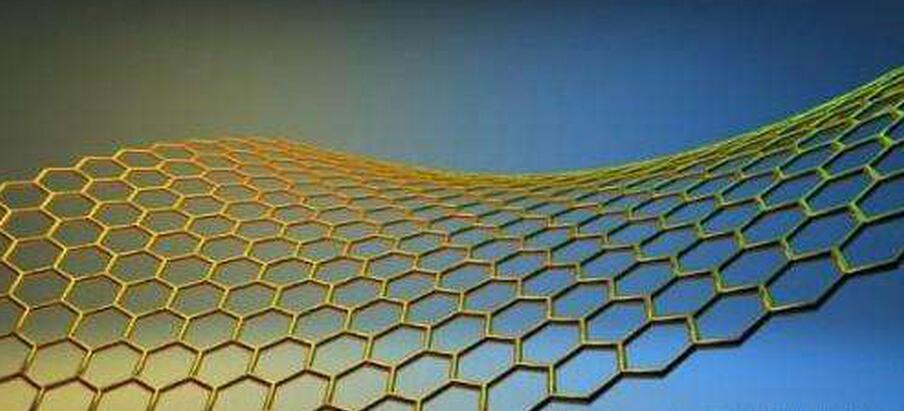 新兴材料
新兴材料
 加工设备
加工设备
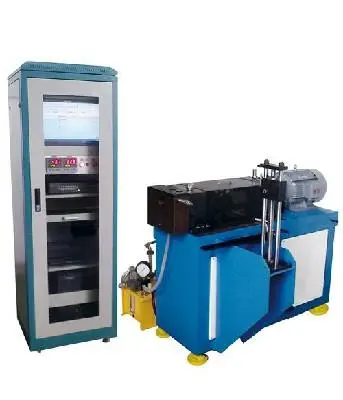 摩擦试验机
摩擦试验机
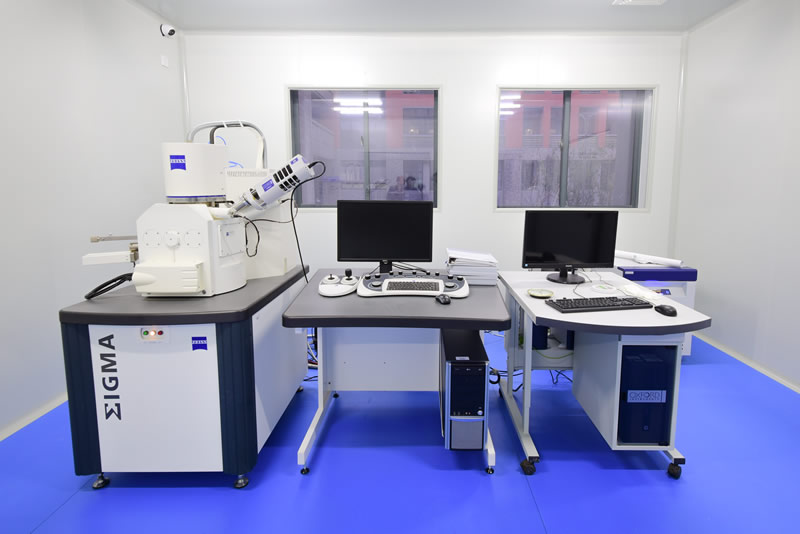 大型表征仪器
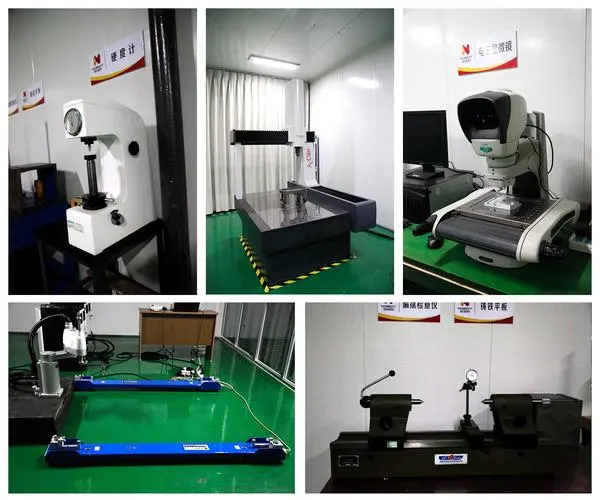 小型测试设备