In this study, the corrosion behaviour of Monel 400 with and without a MoS 2 lubricating coating was comparatively analysed through electrochemical and salt spray corrosion experiments, alongside multiple characterization techniques. The coated samples exhibited significantly accelerated corrosion, with a 2.3-fold increase in corrosion rate during salt spray testing and a rise in corrosion current density from 0.49 μA·cm −2 to 1.15 μA·cm −2. Electrochemical impedance spectroscopy showed an 81.9% reduction in charge transfer resistance. The deterioration mechanism involves several interconnected processes: the MoS 2 coating promotes anodic dissolution while suppressing the formation of the protective passivation film (Cu 2O/Ni(OH) 2). XPS analysis revealed a corresponding increase in non-protective corrosion products, with the CuO/Cu 2O ratio rising from 0.47 to 0.86 and the NiCl 2/Ni(OH) 2 ratio from 0.40 to 0.68. The porous structure of the coating facilitated the adsorption and transport of corrosive media (Cl −, H 2O, O 2), leading to an increase in non-protective corrosion products (CuO/NiCl 2). Furthermore, the oxidation of MoS 2 to MoO 3 further disrupted the surface film and catalysed corrosion reactions. These mechanisms act synergistically, leading to a significant reduction in the corrosion resistance of Monel 400.
周老师: 13321314106
王老师: 17793132604


邮箱号码: lub@licp.cas.cn





 润滑剂
润滑剂
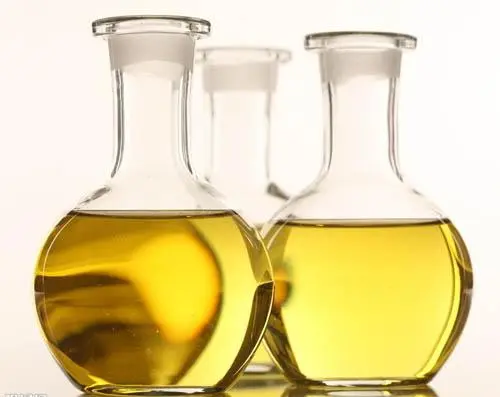 润滑油添加剂
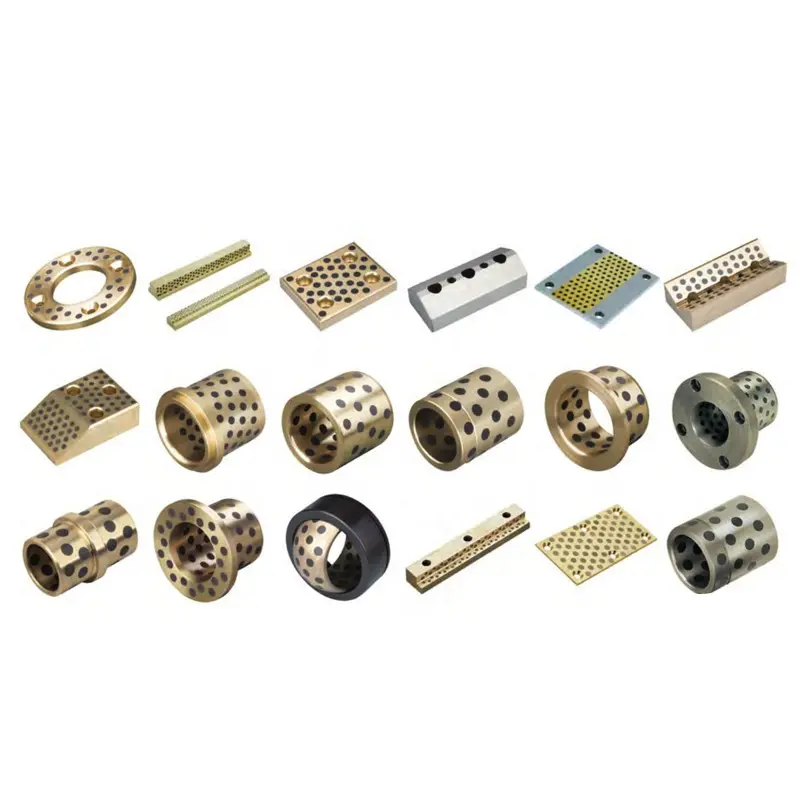 自润滑材料
自润滑材料
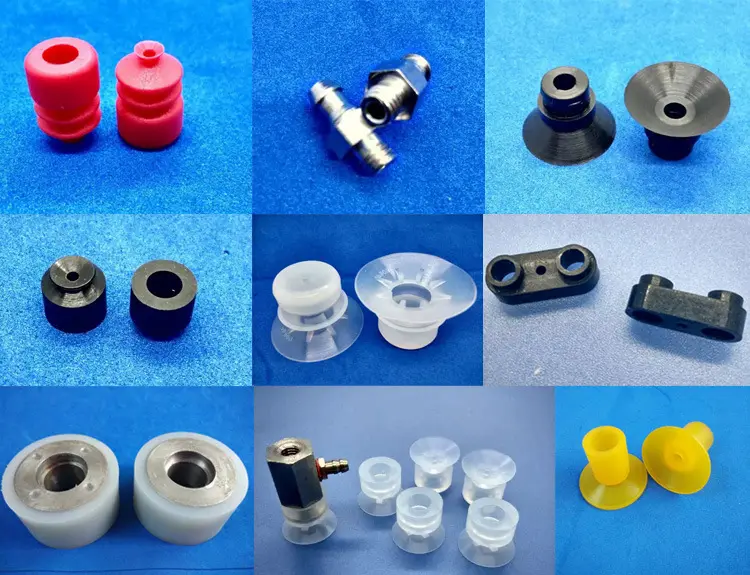 密封材料
密封材料
 新兴材料
新兴材料
 加工设备
加工设备
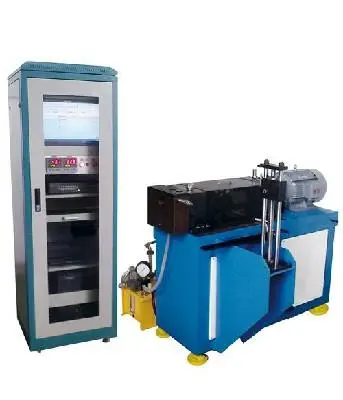 摩擦试验机
摩擦试验机
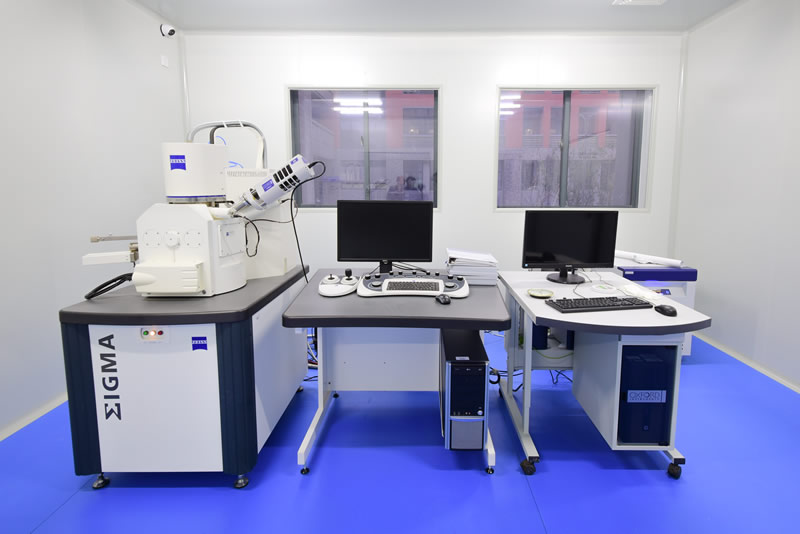 大型表征仪器
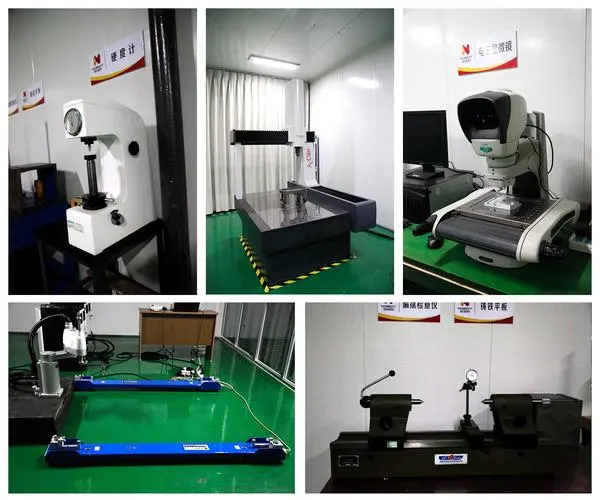 小型测试设备