Global population growth and technological progress have intensified water and energy shortages. Interface-type solar evaporation technology is promising for simultaneous clean water production and energy recovery, but pure PNIPAM-based evaporators suffer from poor mechanical strength, unstable molding, and single functionality. Herein, we developed a thermally adaptive solar evaporator (NAZ-ZC) by optimizing the material system. By copolymerizing poly(n-isopropylacrylamide) (PNIPAM) with acrylic acid (AA), we aimed to enhance mechanical strength, water storage capacity, and functional diversity. Additionally, a multi-network structure with dual crosslinkers (MBA/AG) was constructed to minimize the excessive occurrence of PNIPAM structural changes. Combined with in-situ grown ZIF-67@CNTs photothermal layers, NAZ-ZC achieves temperature-driven wetting switching (hydrophilic/hydrophobic) via PNIPAM's LCST effect. Under 1-sun irradiation, it exhibits an evaporation rate of 3.88 kg m−2 h−1, 48 h stable operation without salt accumulation in 15 wt.% NaCl solution, and integrated power recovery (104.39 mV). This study provides a new paradigm for robust, efficient, multifunctional solar evaporation systems.
周老师: 13321314106
王老师: 17793132604


邮箱号码: lub@licp.cas.cn





 润滑剂
润滑剂
 润滑油添加剂
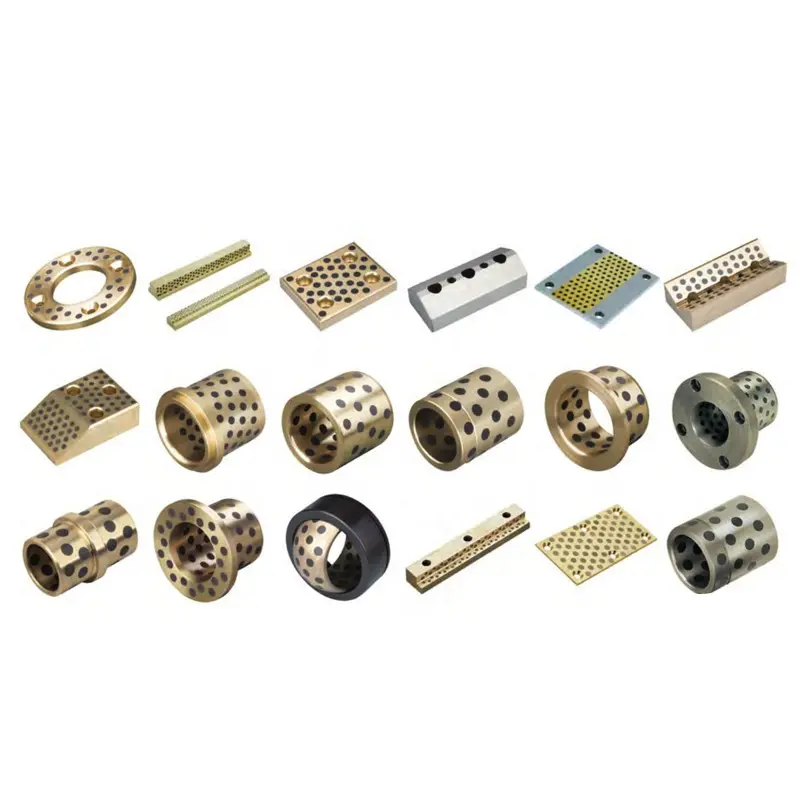 自润滑材料
自润滑材料
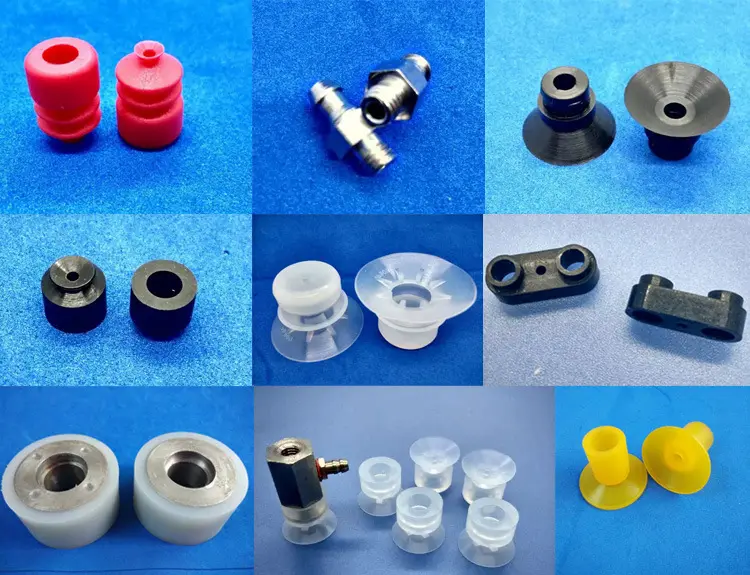 密封材料
密封材料
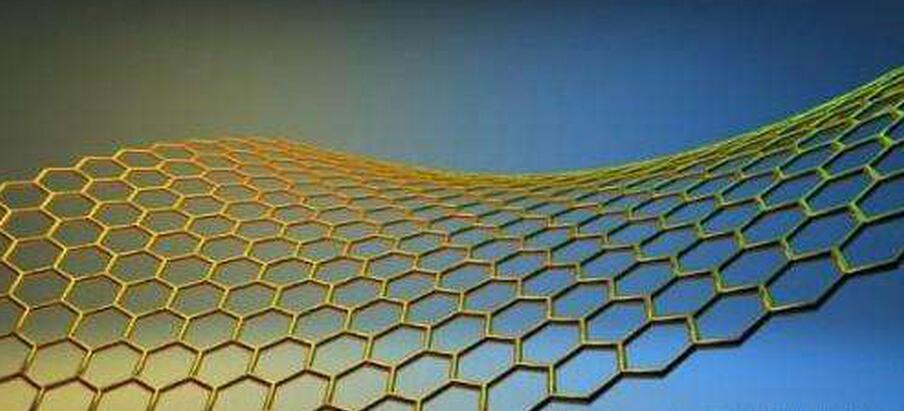 新兴材料
新兴材料
 加工设备
加工设备
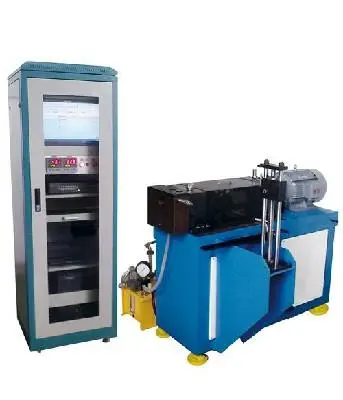 摩擦试验机
摩擦试验机
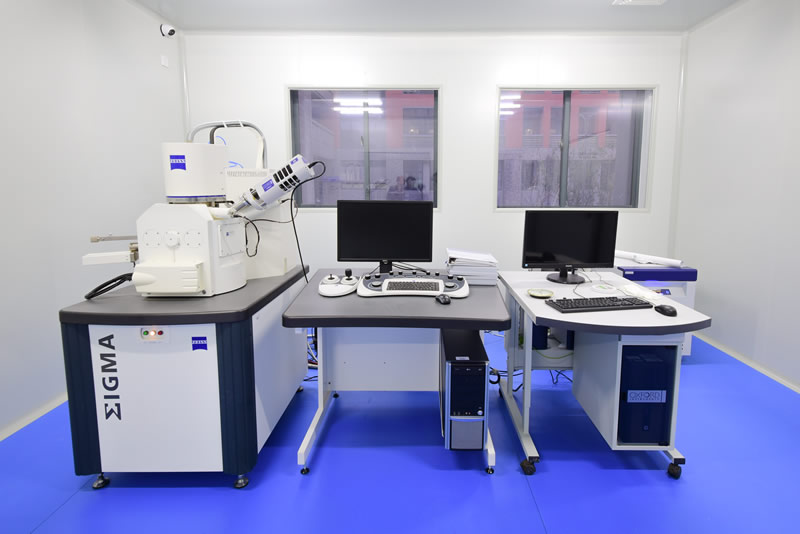 大型表征仪器
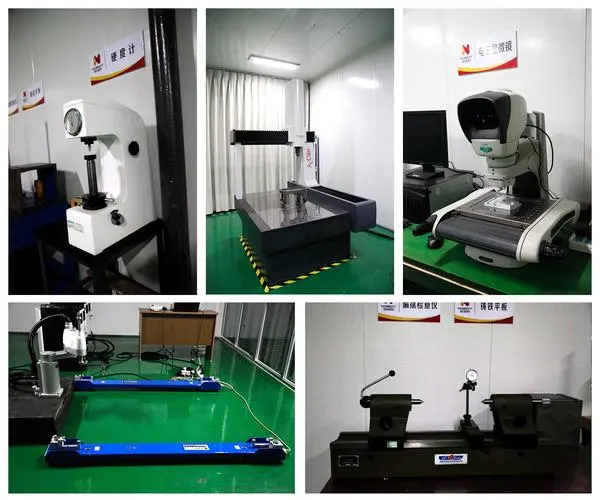 小型测试设备