The multi-lubricant synergistic strategy is widely recognized as one of the most effective approaches for developing solid self-lubricant materials to replace conventional oil- or grease-based lubricant systems. This study employed RF magnetron sputtering to dope Ag into an optimized ZrN–MoSN system, with the aim of enhancing its tribological performance. Ag incorporation induced nanoscale structural heterogeneity within the film, resulting in a multiphase architecture comprising face-centered cubic (fcc) ZrN, fcc Ag, Mo–S–N species (hexagonal close-packed (hcp) MoS 2, amorphous Mo(SN)ₓ, and MoS₂(N₂), and Ag–S-based compounds). Although Ag addition reduced the mechanical strength of the film, it markedly enhanced its self-lubricant capacity at both room temperature (RT) and elevated temperatures (500 °C). Tribological performance is driven by synergistic lubrication of multiple tribo-phases. At room temperature, the film contains MoS₂, MoO₃, and Ag₂Mo₂O₇, which transform at elevated temperatures into an oxide-dominated assemblage, primarily Ag₂MoO₄, revealing the temperature-dependent evolution of the tribo-phase. However, the trade-off between friction reduction and wear resistance persists, primarily owing to reduced hardness and the formation of mechanically fragile tribo-layers.
周老师: 13321314106
王老师: 17793132604


邮箱号码: lub@licp.cas.cn





 润滑剂
润滑剂
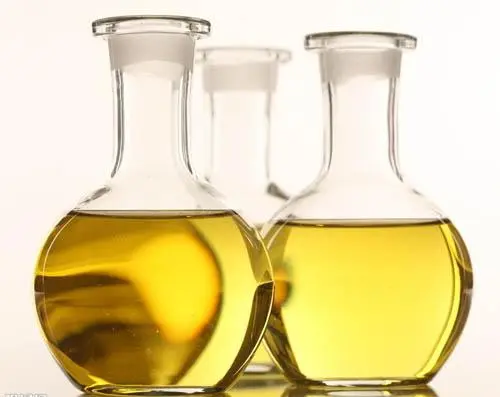 润滑油添加剂
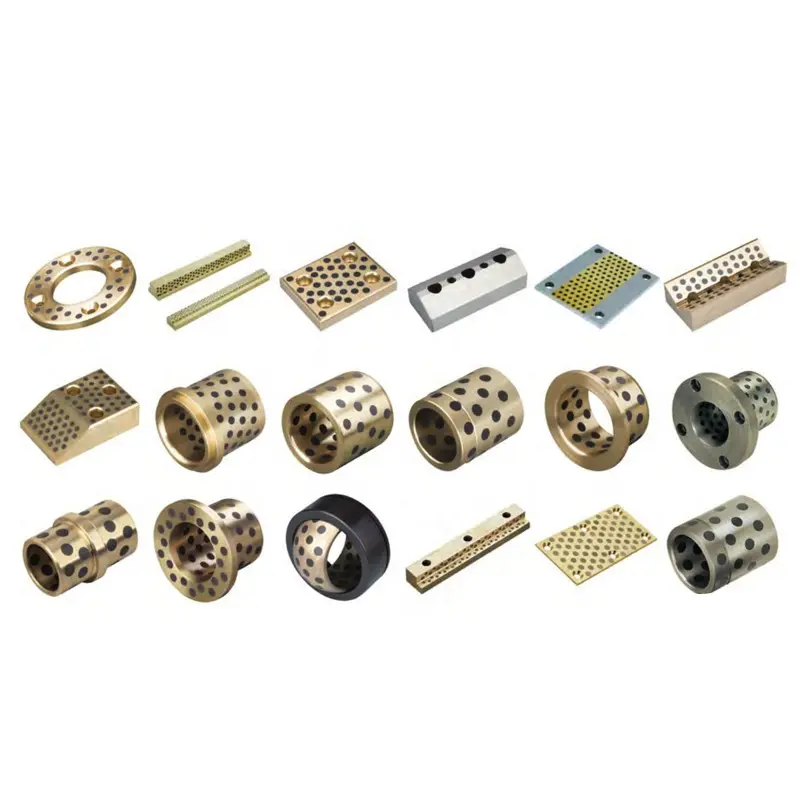 自润滑材料
自润滑材料
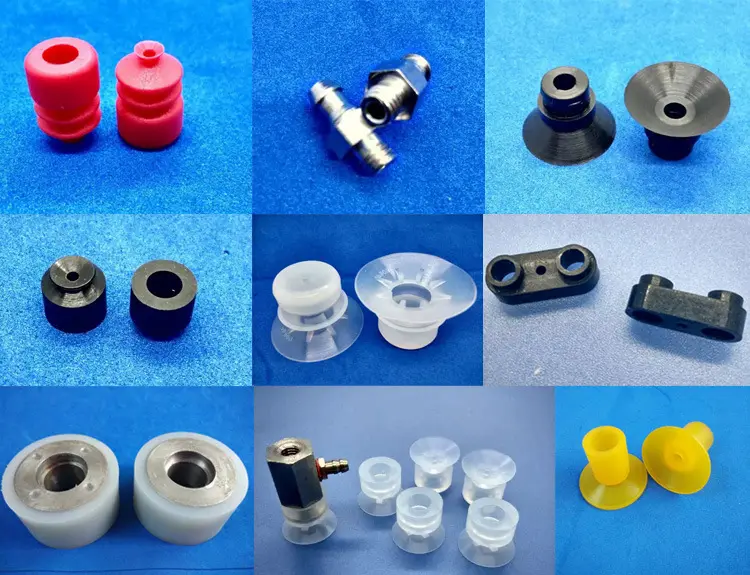 密封材料
密封材料
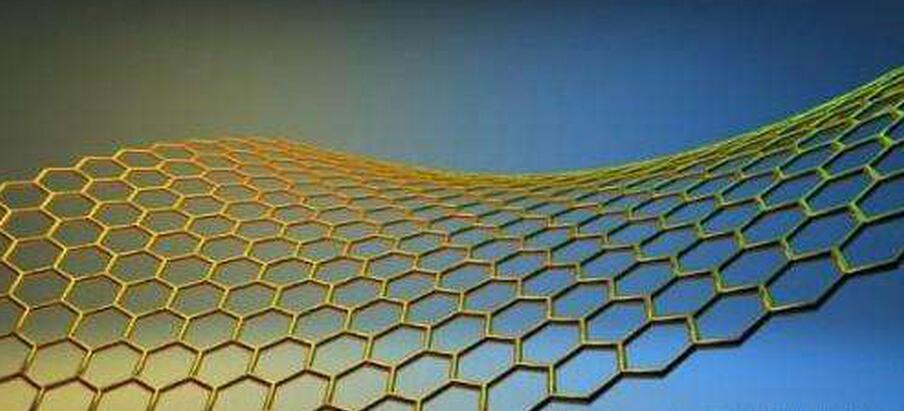 新兴材料
新兴材料
 加工设备
加工设备
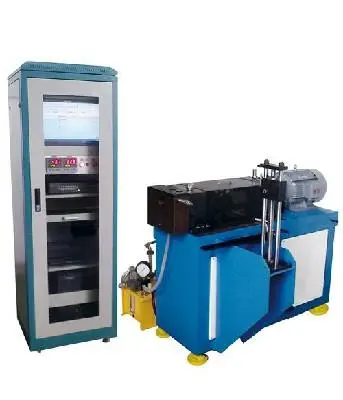 摩擦试验机
摩擦试验机
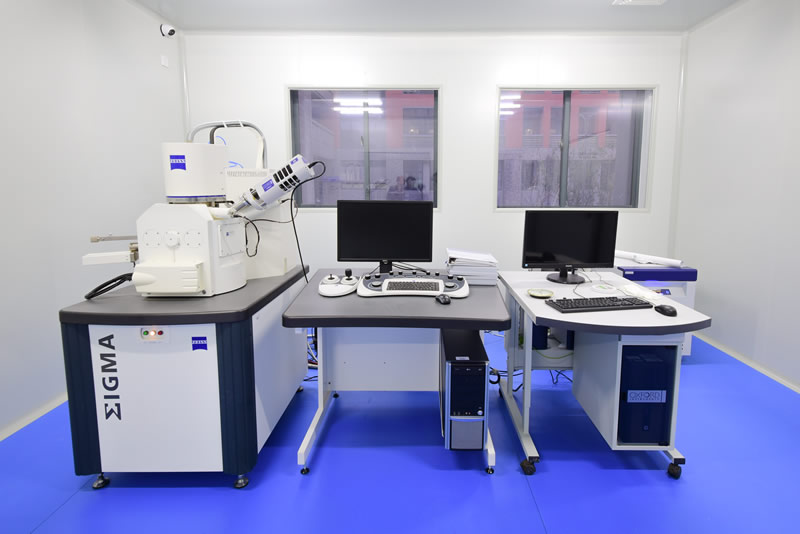 大型表征仪器
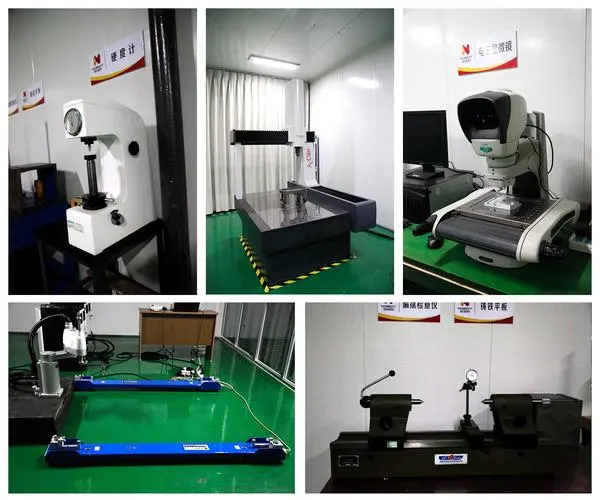 小型测试设备