Abstract Melamine (M) is a nitrogen-rich triazine heterocyclic organic compound. Currently, it is primarily utilized in the preparation of melamine–formaldehyde resin (MF), which is widely used in adhesives, molding compounds, coating additives and other fields. However, some problems are associated with MF, such as the release of free formaldehyde in its use, which is hazardous to safety production and human health. In this study, melamine (M) and acrylic acid (AA) are used as raw materials to synthesize the monoacrylamidotriazine (MAT) through dehydration reaction. Subsequently, MAT is polymerized through free radical polymerization to prepare polyacrylamide triazine polymer (P MAT) and the structure and properties of P MAT are characterized and tested. The results show that P MAT was successfully polymerized at 100℃ for 8.0 h, with ethylene glycol used as the solvent and 2,2-azobisisobutyronitrile (AIBN) as the initiator. The chemical structure and morphological characteristics of P MAT were systematically verified by X-ray diffraction (XRD), X-ray photoelectron spectroscopy (XPS), thermogravimetry (TG), scanning electron microscopy (SEM), and transmission electron microscopy (TEM). Additionally, the adhesion of the P MAT −based coating reached 13.09 MPa, and exhibited resistance to chemical corrosion and wear. This research has preliminarily established a technical route for the synthesis of melamine-based polymers through free radical polymerization. It holds important practical significance for promoting the technological development of novel functional melamine-based polymers and facilitating the technical iteration, optimization, and upgrading of the melamine industry chain. Melamine (M) is a nitrogen-rich triazine heterocyclic organic compound. Currently, it is primarily utilized in the preparation of melamine–formaldehyde resin (MF), which is widely used in adhesives, molding compounds, coating additives and other fields. However, some problems are associated with MF, such as the release of free formaldehyde in its use, which is hazardous to safety production and human health. In this study, melamine (M) and acrylic acid (AA) are used as raw materials to synthesize the monoacrylamidotriazine (MAT) through dehydration reaction. Subsequently, MAT is polymerized through free radical polymerization to prepare polyacrylamide triazine polymer (P MAT) and the structure and properties of P MAT are characterized and tested. The results show that P MAT was successfully polymerized at 100℃ for 8.0 h, with ethylene glycol used as the solvent and 2,2-azobisisobutyronitrile (AIBN) as the initiator. The chemical structure and morphological characteristics of P MAT were systematically verified by X-ray diffraction (XRD), X-ray photoelectron spectroscopy (XPS), thermogravimetry (TG), scanning electron microscopy (SEM), and transmission electron microscopy (TEM). Additionally, the adhesion of the P MAT −based coating reached 13.09 MPa, and exhibited resistance to chemical corrosion and wear. This research has preliminarily established a technical route for the synthesis of melamine-based polymers through free radical polymerization. It holds important practical significance for promoting the technological development of novel functional melamine-based polymers and facilitating the technical iteration, optimization, and upgrading of the melamine industry chain. Melamine (M) is a nitrogen-rich triazine heterocyclic organic compound. Currently, it is primarily utilized in the preparation of melamine–formaldehyde resin (MF), which is widely used in adhesives, molding compounds, coating additives and other fields. However, some problems are associated with MF, such as the release of free formaldehyde in its use, which is hazardous to safety production and human health. In this study, melamine (M) and acrylic acid (AA) are used as raw materials to synthesize the monoacrylamidotriazine (MAT) through dehydration reaction. Subsequently, MAT is polymerized through free radical polymerization to prepare polyacrylamide triazine polymer (P MAT) and the structure and properties of P MAT are characterized and tested. The results show that P MAT was successfully polymerized at 100℃ for 8.0 h, with ethylene glycol used as the solvent and 2,2-azobisisobutyronitrile (AIBN) as the initiator. The chemical structure and morphological characteristics of P MAT were systematically verified by X-ray diffraction (XRD), X-ray photoelectron spectroscopy (XPS), thermogravimetry (TG), scanning electron microscopy (SEM), and transmission electron microscopy (TEM). Additionally, the adhesion of the P MAT −based coating reached 13.09 MPa, and exhibited resistance to chemical corrosion and wear. This research has preliminarily established a technical route for the synthesis of melamine-based polymers through free radical polymerization. It holds important practical significance for promoting the technological development of novel functional melamine-based polymers and facilitating the technical iteration, optimization, and upgrading of the melamine industry chain.
周老师: 13321314106
王老师: 17793132604


邮箱号码: lub@licp.cas.cn





 润滑剂
润滑剂
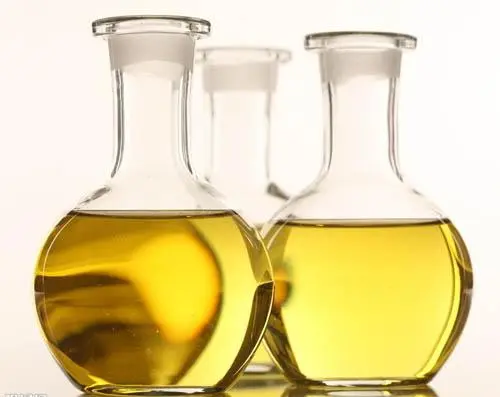 润滑油添加剂
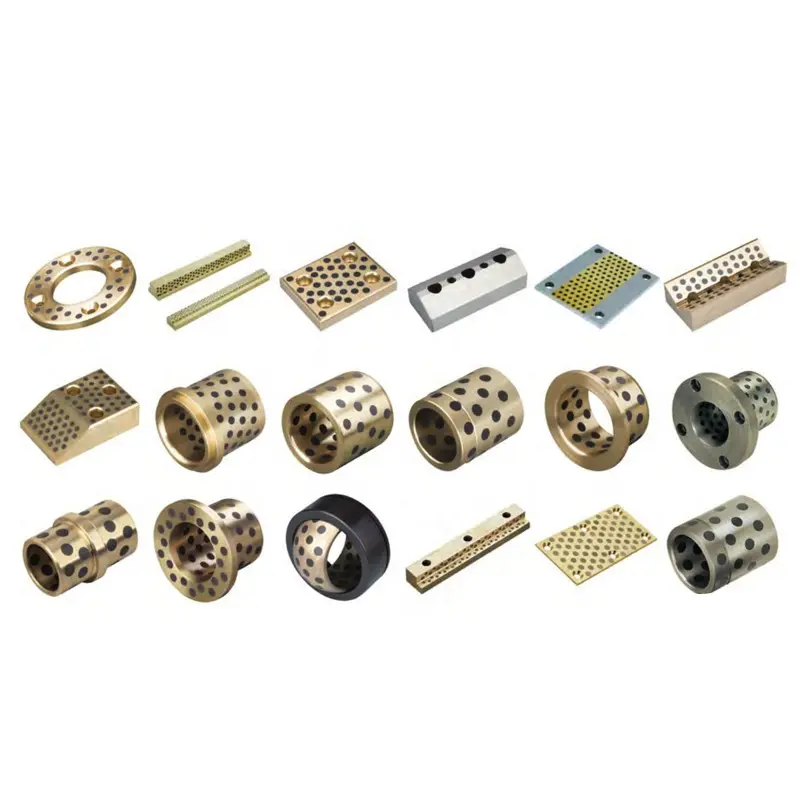 自润滑材料
自润滑材料
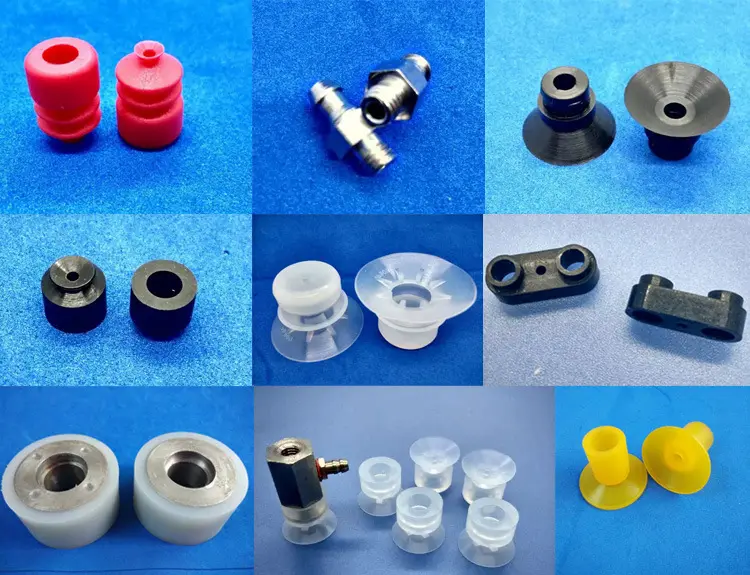 密封材料
密封材料
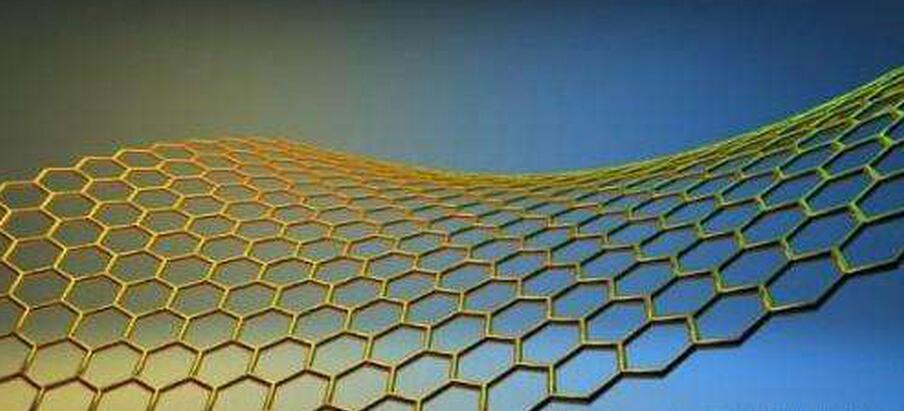 新兴材料
新兴材料
 加工设备
加工设备
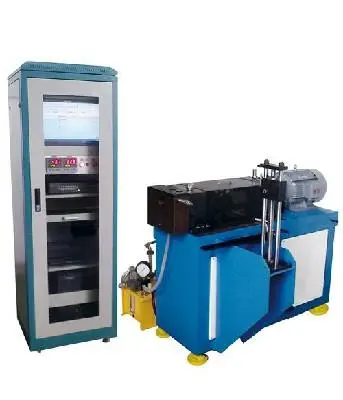 摩擦试验机
摩擦试验机
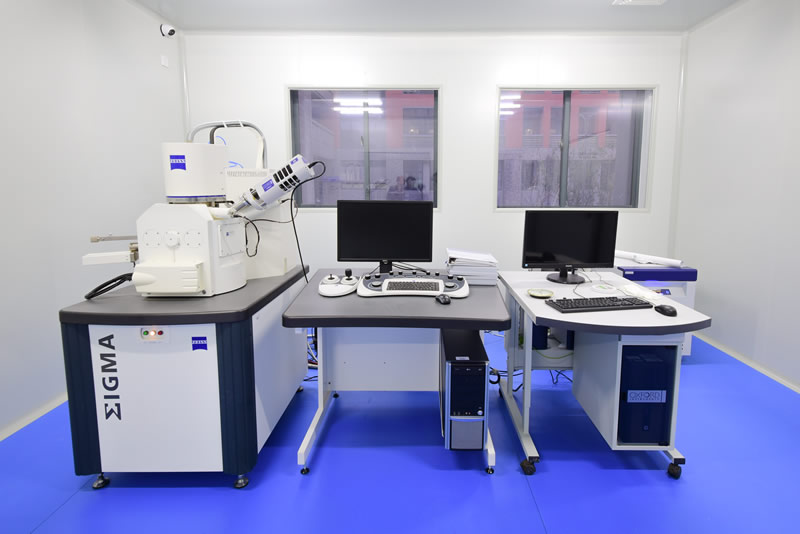 大型表征仪器
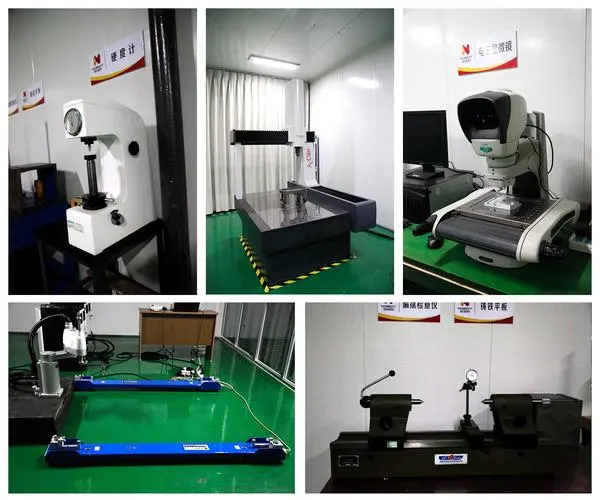 小型测试设备