Nature offers elegant blueprints for lightweight structural and multifunctional materials. Among them, the cuttlebone demonstrates exceptional structural efficiency through a hierarchical septum-wall architecture, where asymmetric walls and septa carry complementary roles. This intrinsic separation of roles enables functional decoupling and inspires a new class of cuttlebone-inspired metamaterials, where geometry alone serves as the primary design lever for programming mechanical, acoustic, thermal, and biological functionalities. This article summarizes recent advances in the design, multifunctionality, and proposes a future outlook of cuttlebone-inspired metamaterials. We classify existing structures into three categories, direct biomimicry, honeycomb-type, and strut-type designs, and summarize their underlying design principles and governing equations. Subsequently, we discuss their respective contributions to key physical properties, including energy absorption, sound absorption, vibration isolation, thermal, and bioactivity. We further present the septum-wall framework as a paradigm that enables functionally decoupled design, permitting independent optimization of the properties governed by the septa and walls. Finally, emerging directions, including functionally graded architectures, anisotropic designs, and artificial intelligence-aided advanced design, are discussed as pathways toward adaptive and intelligent metamaterials. Collectively, the cuttlebone blueprint serves not only as a biological inspiration but also a unifying geometrical principle for next-generation multifunctional architected materials.
周老师: 13321314106
王老师: 17793132604


邮箱号码: lub@licp.cas.cn





 润滑剂
润滑剂
 润滑油添加剂
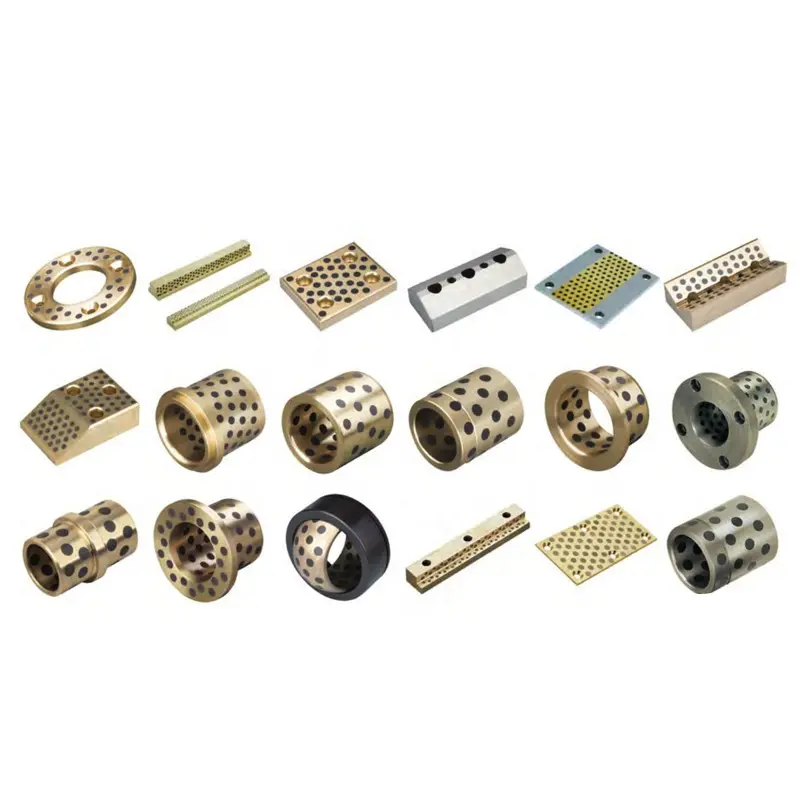 自润滑材料
自润滑材料
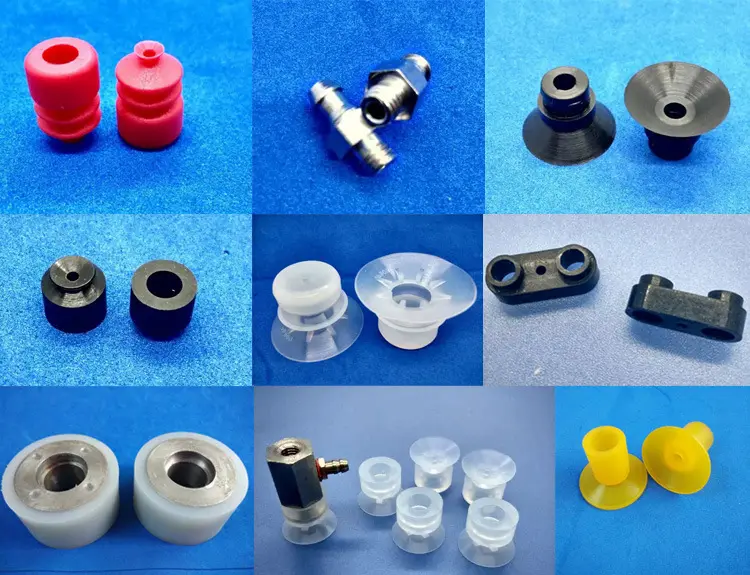 密封材料
密封材料
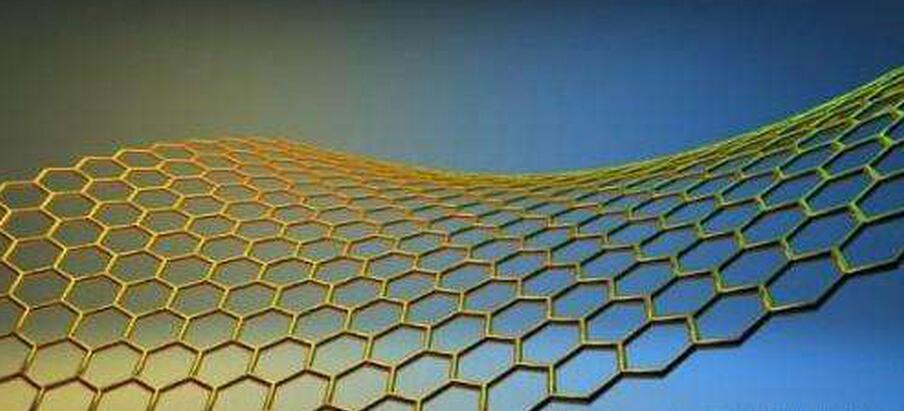 新兴材料
新兴材料
 加工设备
加工设备
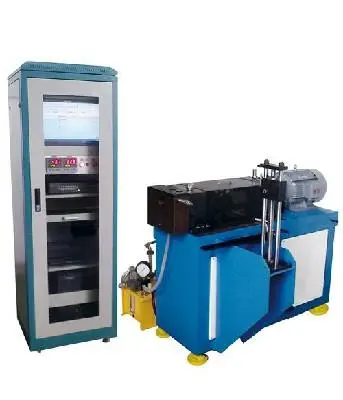 摩擦试验机
摩擦试验机
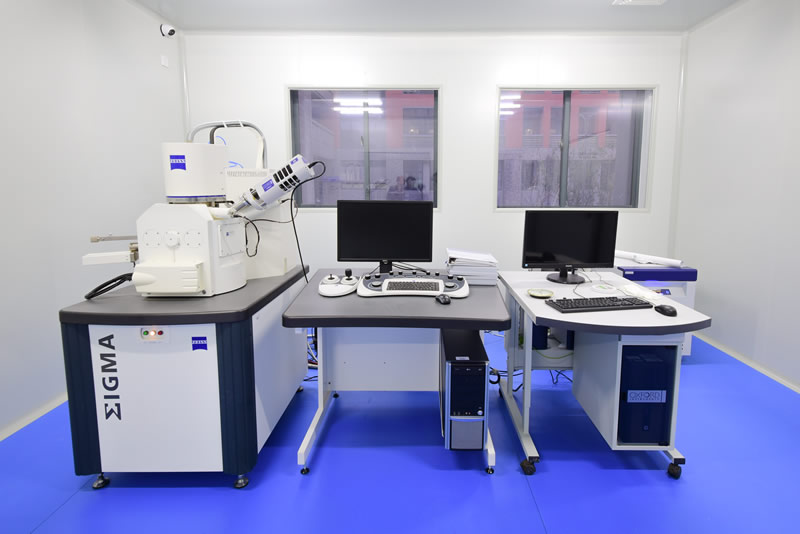 大型表征仪器
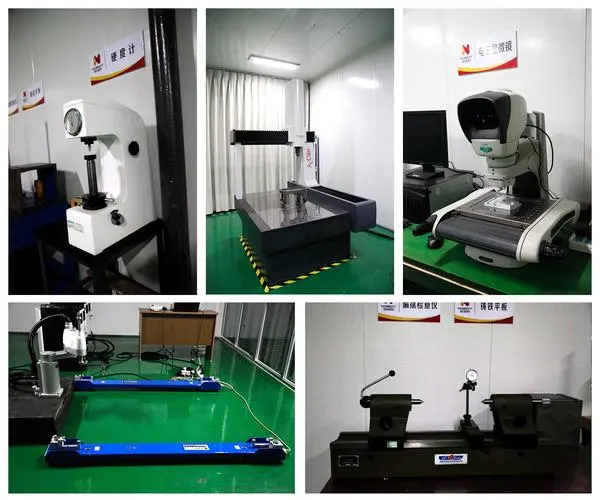 小型测试设备