Methane is a globally significant clean energy source; however, the wear-induced leakage of mechanical components operating in methane environments remains a critical issue that must be addressed. Hydrogenated amorphous carbon (a-C:H) films, as solid lubricants, are key to protecting such components due to their low friction coefficient and high wear resistance. In this study, copper (Cu) doping was conducted to regulate the degree of order and methane dissociation behavior during the sliding tests of a-C:H films, utilizing its structural properties and properties of promoting molecular dissociation. Under friction induction, both a-C:H:Cu deposited at low methane pressure and a-C:H film formed graphitized homogeneous interfaces. Cu facilitated the dissociation of methane molecules at high methane pressure, enhanced surface passivation, and improved the ordering of sp 2 C at the tribological interface, resulting in the formation of a heterostructure composed of a hydrogen-rich carbon layer/graphitized transfer film with ultralow friction and low wear. The alteration in interface structure revealed that the structural transformation induced by Cu, coupled with the passivation effect, synergistically governed the ultralow tribological mechanism and wear behavior of a-C:H films. Furthermore, the influence of interfacial adhesion and mechanical properties was analyzed, providing a basis for designing a-C:H films with superior tribological performance in methane environments.
周老师: 13321314106
王老师: 17793132604


邮箱号码: lub@licp.cas.cn





 润滑剂
润滑剂
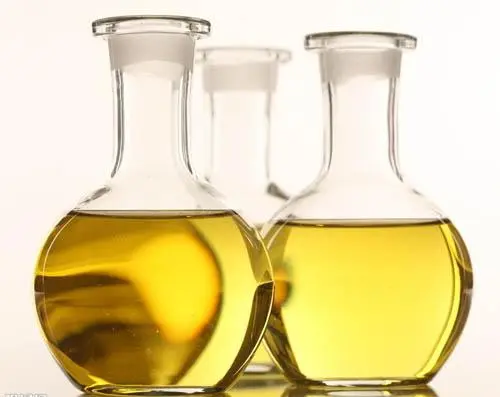 润滑油添加剂
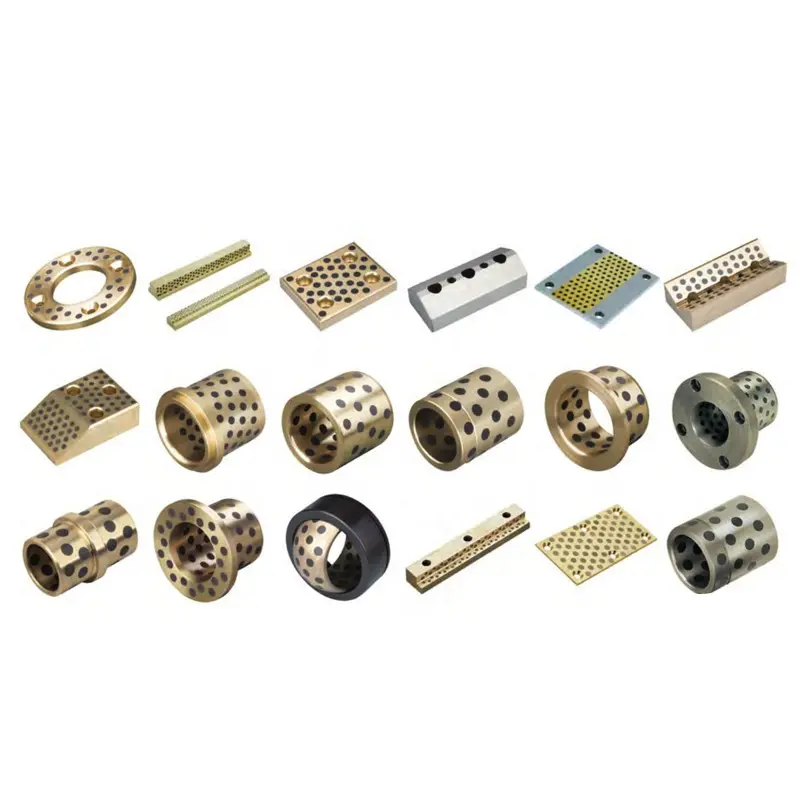 自润滑材料
自润滑材料
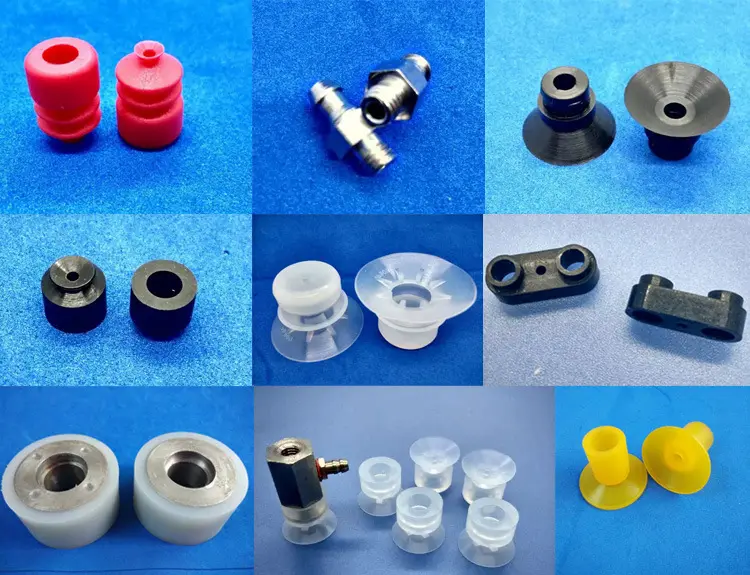 密封材料
密封材料
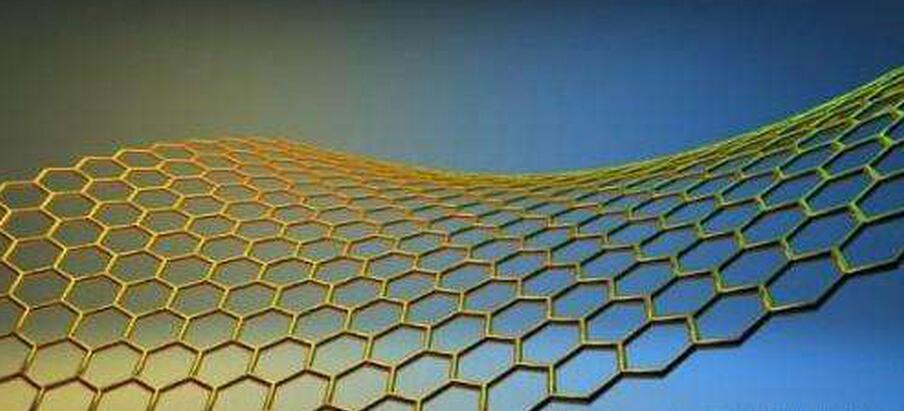 新兴材料
新兴材料
 加工设备
加工设备
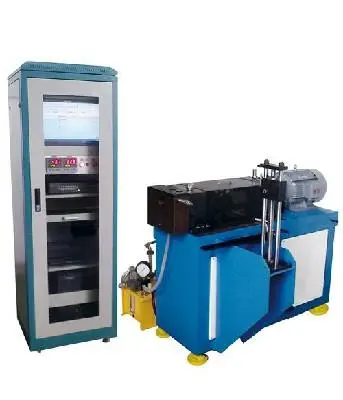 摩擦试验机
摩擦试验机
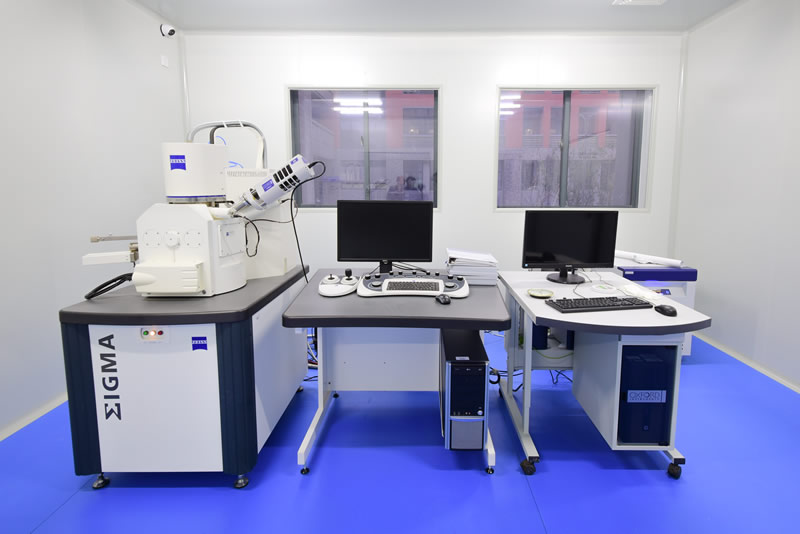 大型表征仪器
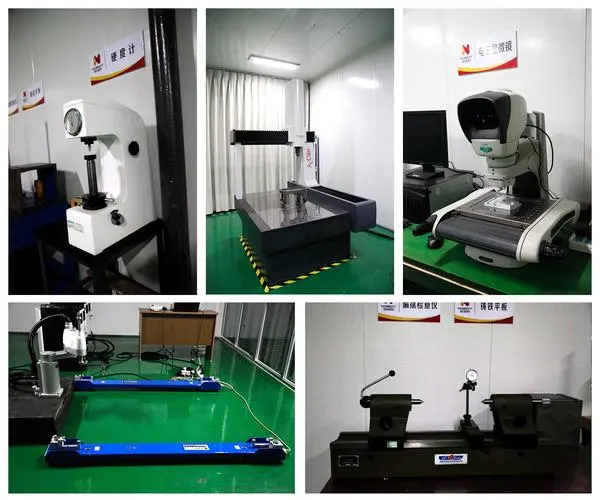 小型测试设备