To address the temperature limitations of MAX phase and improve the temperature adaptability of Ni-based coating, a NiCrAlY-Ti 3AlC 2-SnBiAg-Mo composite coating was fabricated via atmospheric plasma spraying. The tribological properties of the composite coating were evaluated over a wide temperature range from room temperature (RT) to 800 °C using reciprocating friction testing, and its wear mechanism was comprehensively analyzed through scanning electron microscope (SEM), X-ray diffraction (XRD), Raman, and X-ray photoelectron spectroscopy (XPS). Results demonstrate that SnBiAg incorporation effectively enhances coating density, reduces porosity, enhances structural homogeneity, and refines grain size. At RT, SnBiAg alloy flows into cracks along with the sliding of friction pairs, exhibiting a certain degree of crack healing capability. The composite coating (20 wt% SnBiAg) exhibited optimal wear resistance with the wear rate 1.5 × 10 −5 mm 3/(N·m) at 600 °C, and its thermal cycling tribological performance was the relative best. This is primarily attributed to the synergistic lubrication effect of MAX phases, various binary metal oxides, and a small amount of high-temperature lubricating phases such as NiMoO 4, Ag 2MoO 4, and Bi 2MoO 6. Meanwhile, the SnBiAg-Mo alloy effectively suppresses the oxidative decomposition of Ti 3AlC 2 at high temperature, which results in the transformation of the primary Ti oxide from TiO 2 to Ti 2O 3 with enhanced interlayer bonding strength.
周老师: 13321314106
王老师: 17793132604


邮箱号码: lub@licp.cas.cn





 润滑剂
润滑剂
 润滑油添加剂
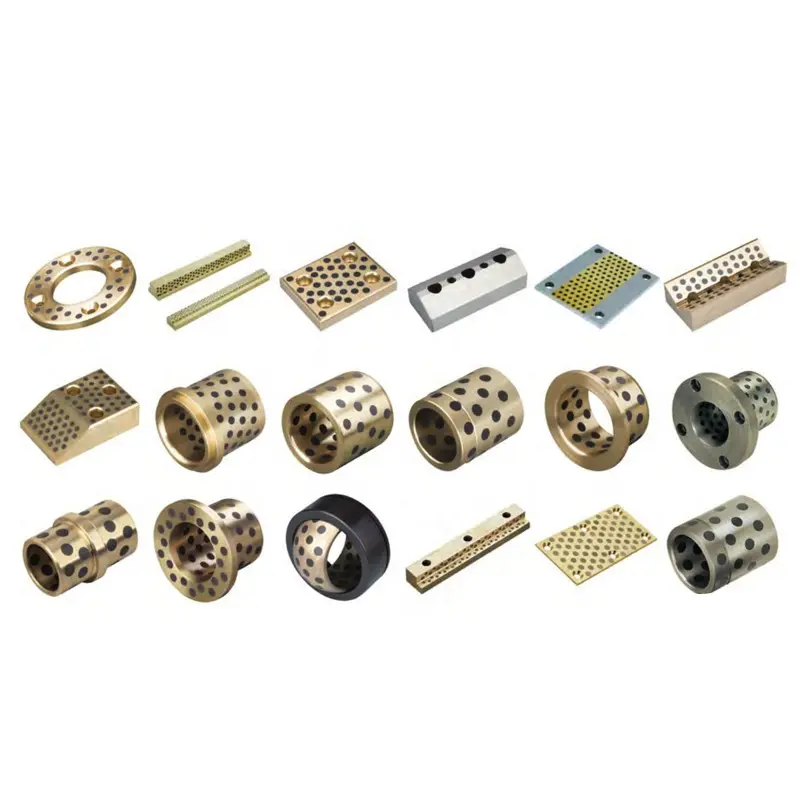 自润滑材料
自润滑材料
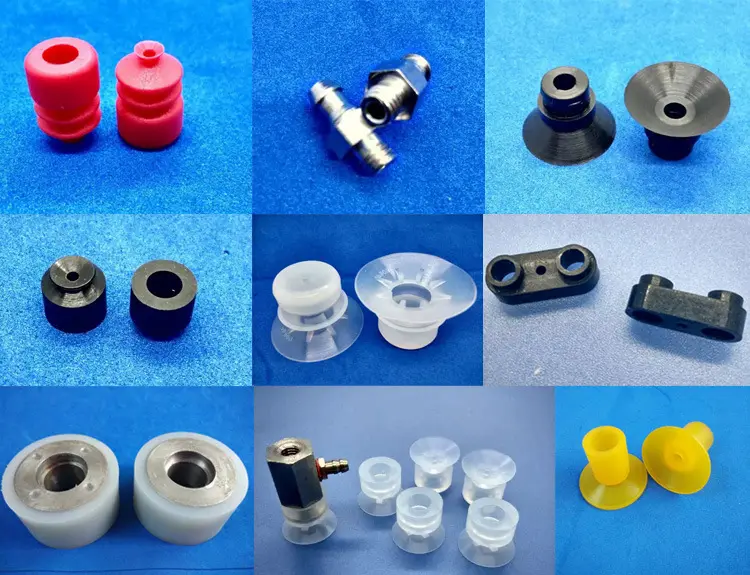 密封材料
密封材料
 新兴材料
新兴材料
 加工设备
加工设备
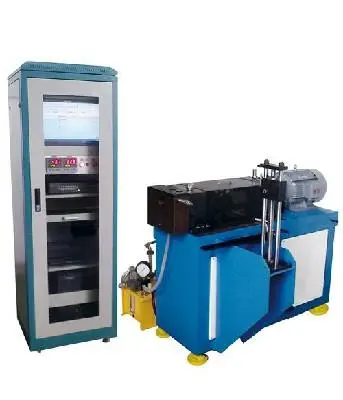 摩擦试验机
摩擦试验机
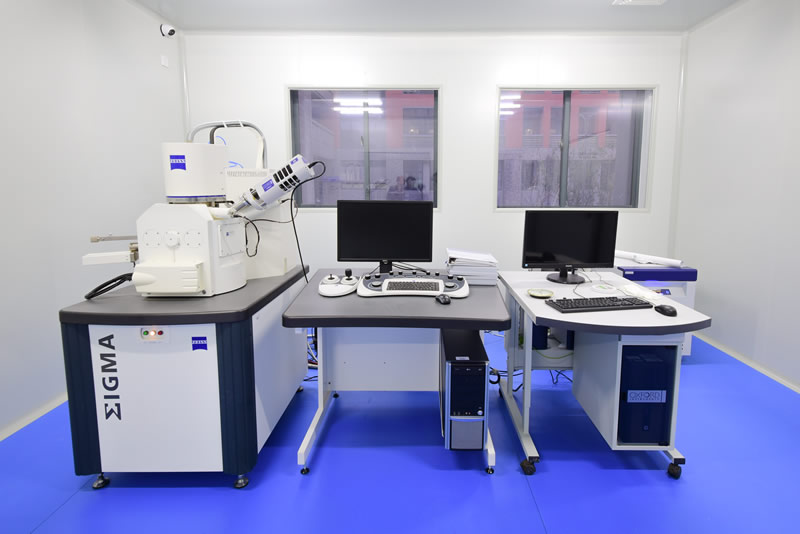 大型表征仪器
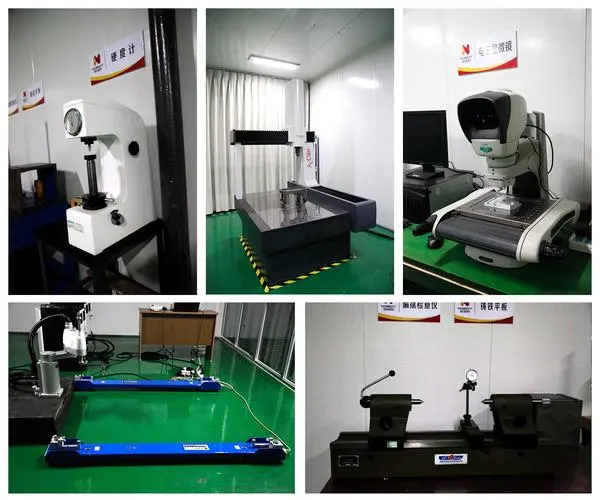 小型测试设备