Steel wire ropes used on winch drums of offshore drilling platforms suffer from the combined effects of friction, corrosion, and fatigue, leading to wear, corrosion, and wire breaks that compromise their load-bearing capacity and operational safety. A self-made test rig was employed to investigate the tribo-corrosion-fatigue degradation behaviors of steel wire ropes under different temperatures and crossing angles. Damage profiles were analyzed using a 3D profilometer, and surface morphology of worn/fractured sections was examined via scanning electron microscopy. Quantitative assessments included volume loss, volume loss rate, and number of broken wires, while corrosion resistance and residual load-bearing strength were evaluated through electrochemical analysis and breaking tensile tests, respectively. The results show that temperature exerts a more pronounced influence on the friction coefficient of steel wire ropes than the crossing angle. The predominant fracture mechanism is identified as corrosion-fatigue fracture. At large crossing angles (≥10°), secondary fractures develop in the surface wires, leading to the loss of fractured wires. Furthermore, an increase in temperature aggravates tribo-corrosion-fatigue damage, with the total damage peaking at a crossing angle of 10°. Notably, the local stress concentration induced by large crossing angles has a substantially greater impact on the residual load-bearing capacity of steel wire ropes than temperature. These findings highlight the critical influence of temperature and crossing angle on the service performance and failure behavior of steel wire ropes in the hoisting system of offshore drilling rig, providing important theoretical guidance for optimizing their design and maintenance under complex working conditions.
周老师: 13321314106
王老师: 17793132604


邮箱号码: lub@licp.cas.cn





 润滑剂
润滑剂
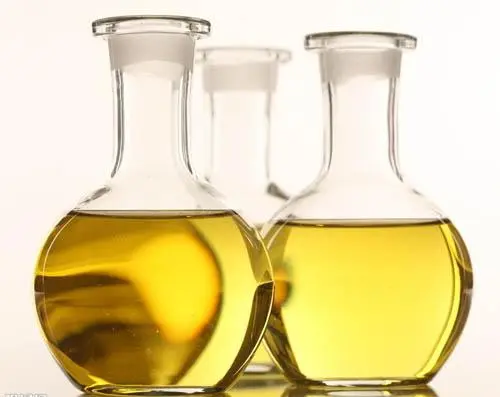 润滑油添加剂
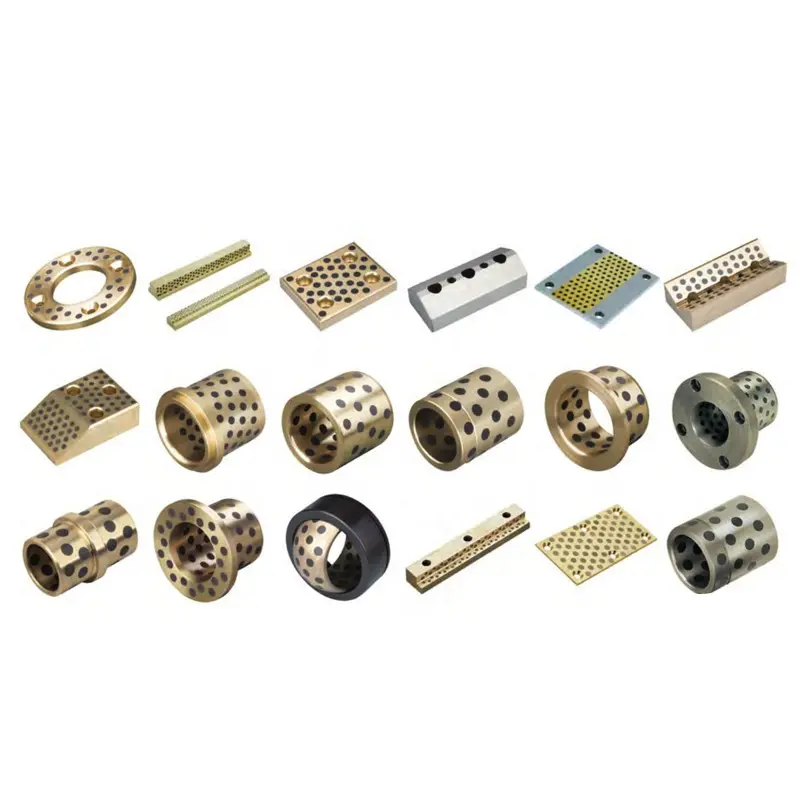 自润滑材料
自润滑材料
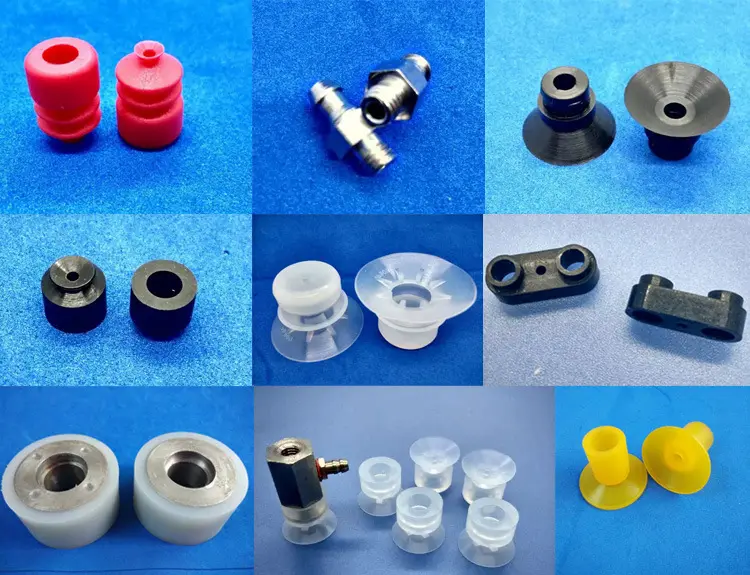 密封材料
密封材料
 新兴材料
新兴材料
 加工设备
加工设备
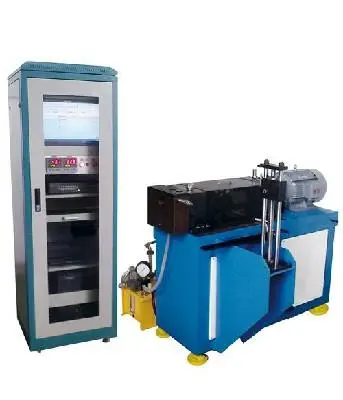 摩擦试验机
摩擦试验机
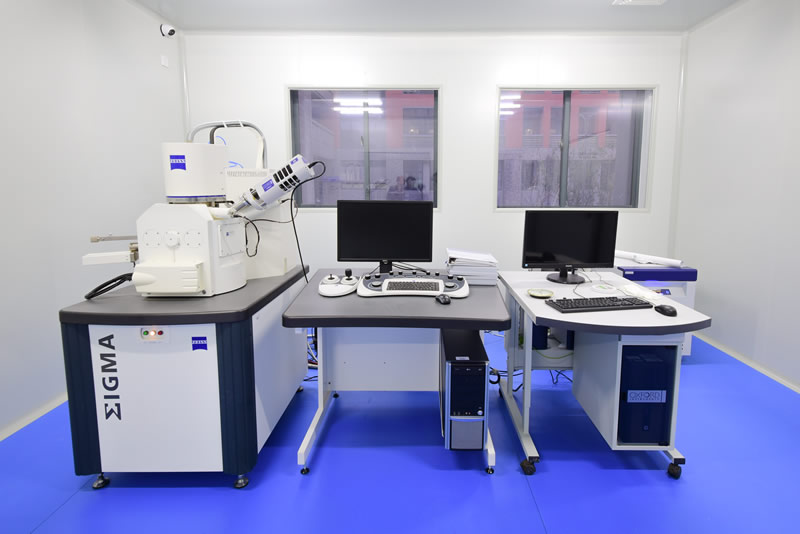 大型表征仪器
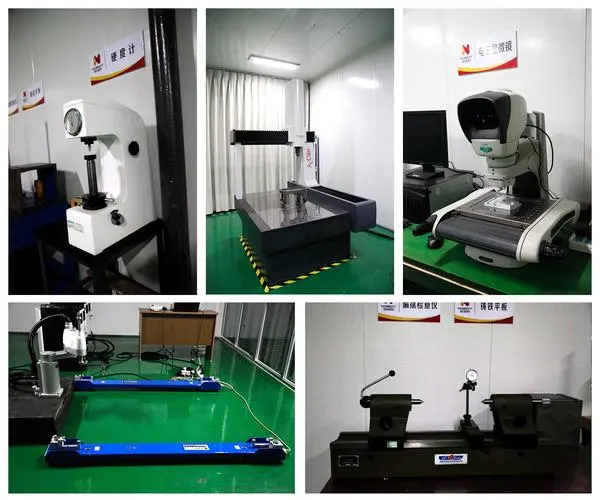 小型测试设备