The CuSn10P1 alloy, known for its strength and wear resistance in transmission components, often suffers from casting defects when produced by conventional methods. Semi-solid thixoforming offers a solution to these issues. This study presents insights into the microstructural evolution and mechanical property enhancement in a thixotropic extrusion (TE) processed CuSn10P1 alloy during post-processing recrystallization annealing. Our approach involves annealing the alloy at temperatures from 500 °C to 575 °C, with comprehensive characterization using XRD, EBSD, and TEM. The recrystallization peaks at 550 °C, leading to a fine, equiaxed microstructure with randomized crystallographic texture and fully relieved residual stresses. This optimal microstructure achieves a superior strength-ductility synergy, with a tensile strength of 520 MPa and an elongation of 18.4%. Further annealing at 575 °C results in grain coarsening and a decline in strength. We propose a four-stage recrystallization mechanism model—encompassing energy storage, recovery/nucleation, complete recrystallization, and grain growth—to delineate the microstructural transformation. Our findings establish 550 °C as the optimal annealing temperature and identify the detailed mechanism of microstructural transformation, providing critical guidance for the heat treatment design of high-performance copper alloys.
周老师: 13321314106
王老师: 17793132604


邮箱号码: lub@licp.cas.cn





 润滑剂
润滑剂
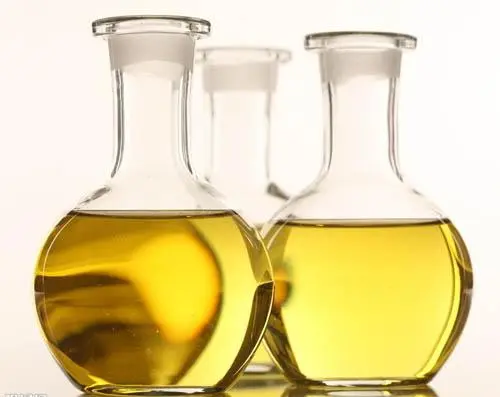 润滑油添加剂
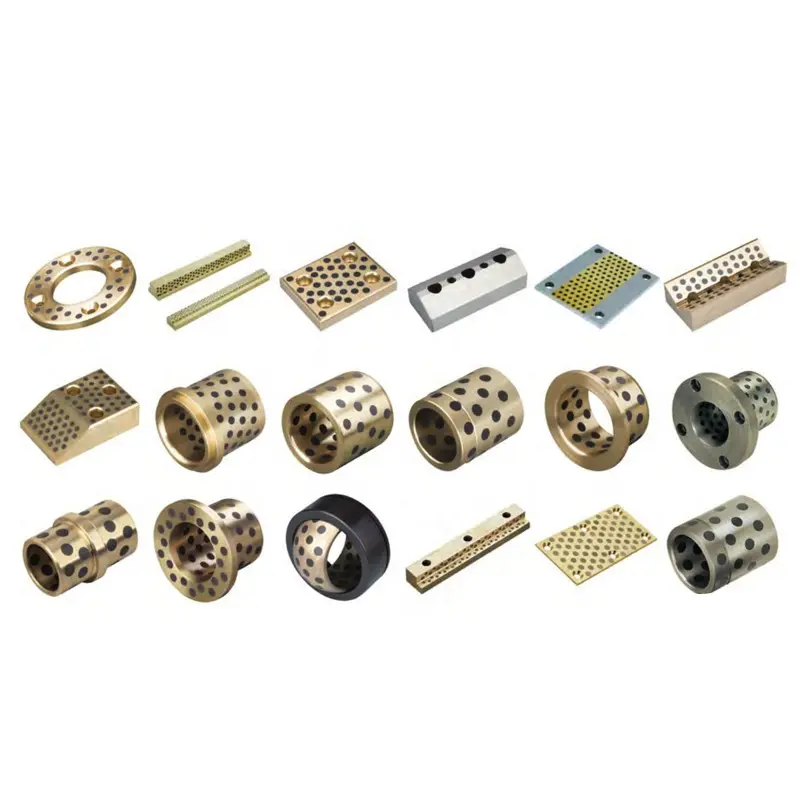 自润滑材料
自润滑材料
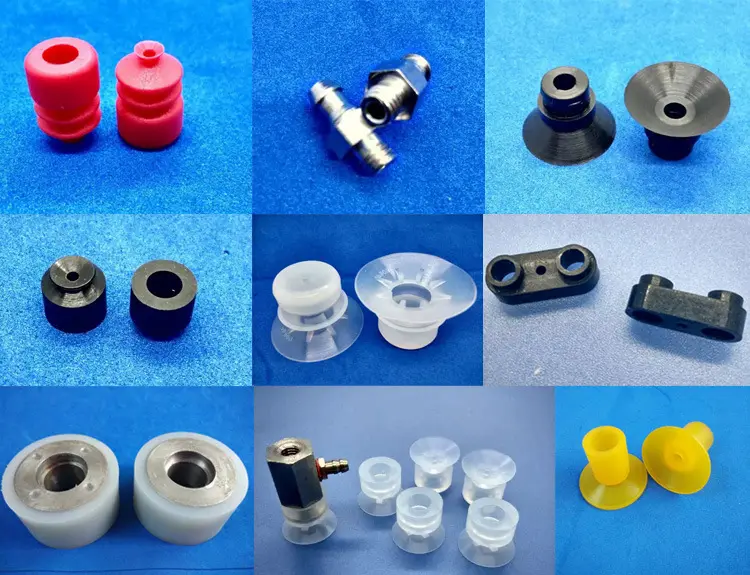 密封材料
密封材料
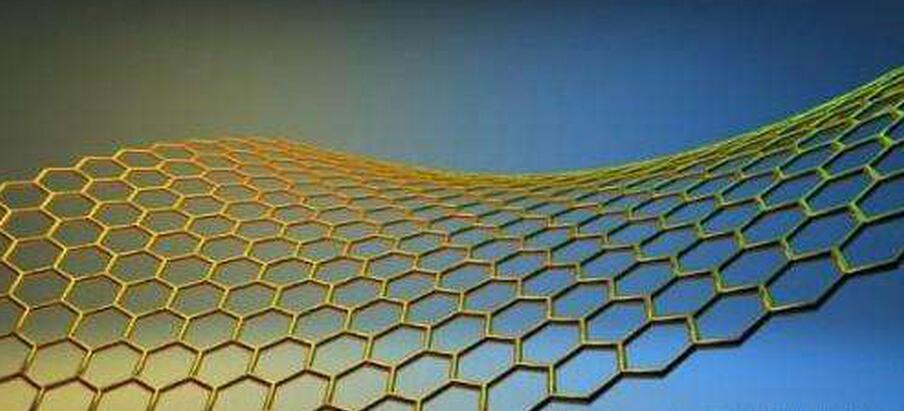 新兴材料
新兴材料
 加工设备
加工设备
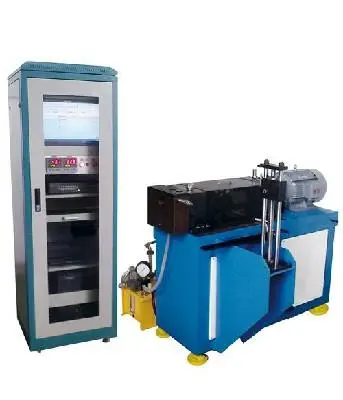 摩擦试验机
摩擦试验机
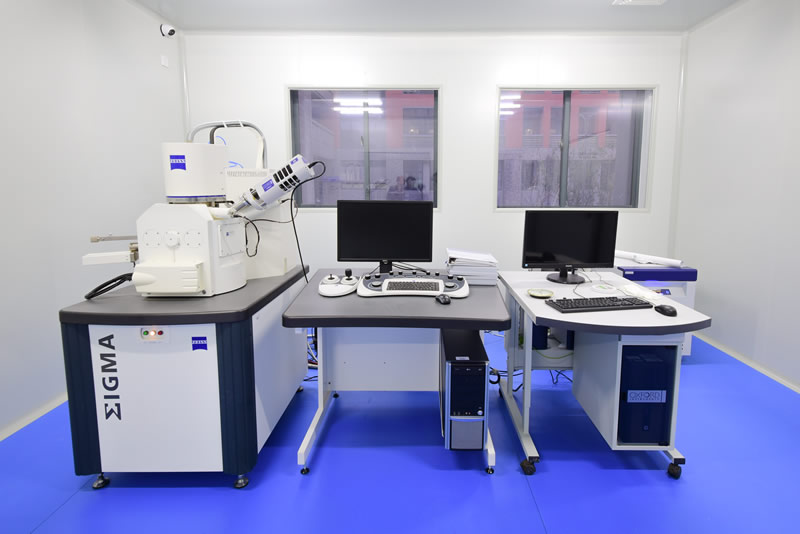 大型表征仪器
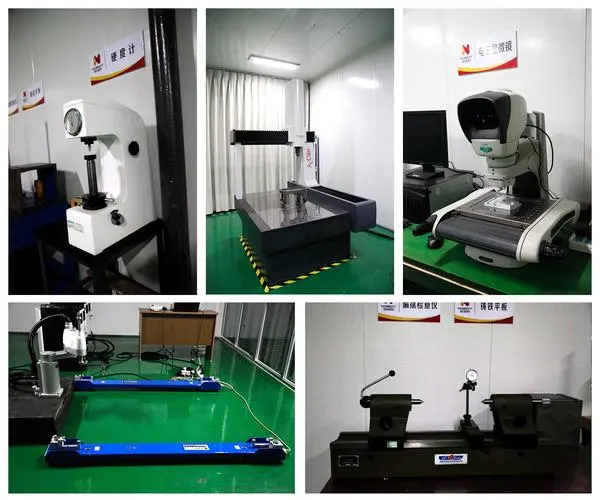 小型测试设备