To elucidate the role of humidity in the tribochemistry of PTFE nanocomposites, the study systematically compares the tribological behavior of PTFE/Al₂O₃ and PTFE/SiO₂ composites under varying humidity. Results demonstrate that PTFE/Al₂O₃ maintains excellent tribological stability across a broad humidity range, whereas PTFE/SiO₂ exhibits strong humidity dependence, with its wear rate decreasing by an order of magnitude at 70% relative humidity compared to 10%. Through FTIR, XPS, FIB-TEM, and density functional theory (DFT) calculations, the difference is traced to a discrepancy in tribocatalytic activity. Al₂O₃ possesses strong Lewis acid sites with high electron affinity, which promote C–F bond scission in PTFE and oxidation of the iron counterface, thereby catalyzing the formation of a robust, chemically adsorbed transfer film irrespective of humidity. In contrast, SiO₂ surfaces exhibit weak Lewis acidity and interact with PTFE primarily through van der Waals forces. The formation of the tribofilm in PTFE/SiO₂ therefore relies heavily on the catalytic effect of the iron counterface, which is modulated by humidity, leading to pronounced humidity sensitivity. This work clarifies the humidity-mediated tribocatalytic mechanisms and provides a theoretical basis for designing environment-adaptive PTFE composites.
周老师: 13321314106
王老师: 17793132604


邮箱号码: lub@licp.cas.cn





 润滑剂
润滑剂
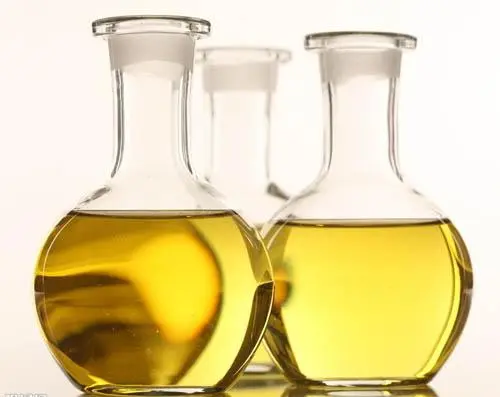 润滑油添加剂
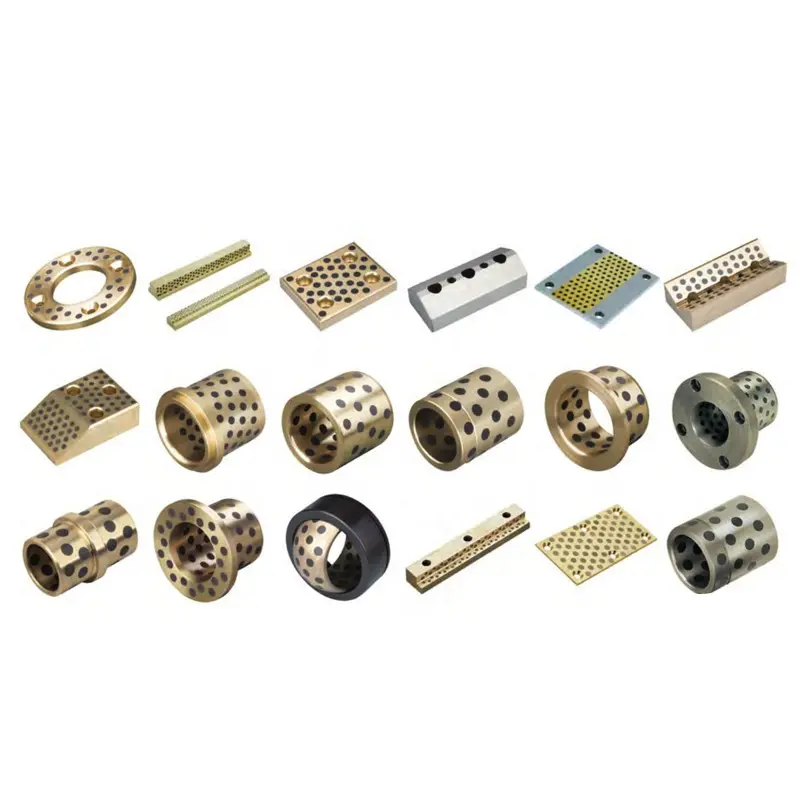 自润滑材料
自润滑材料
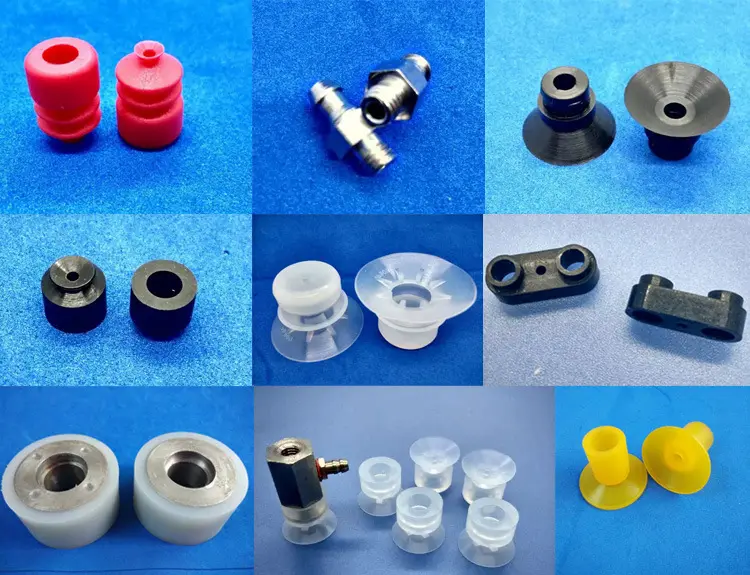 密封材料
密封材料
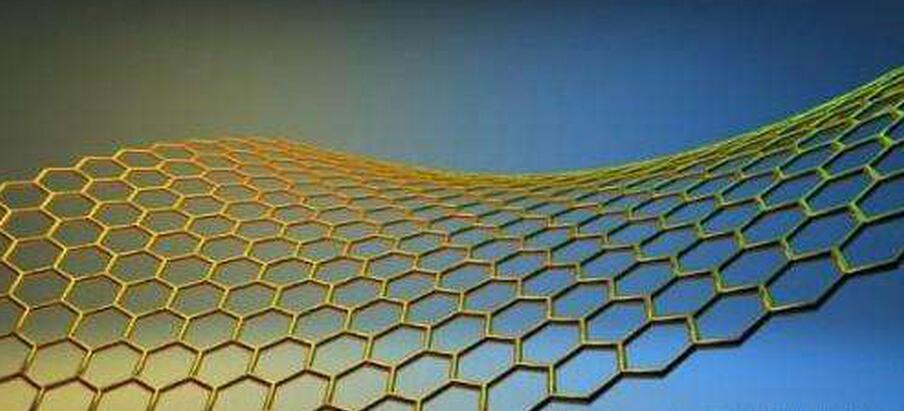 新兴材料
新兴材料
 加工设备
加工设备
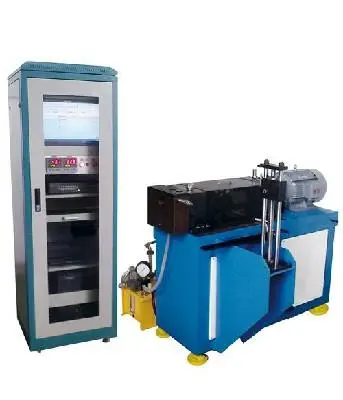 摩擦试验机
摩擦试验机
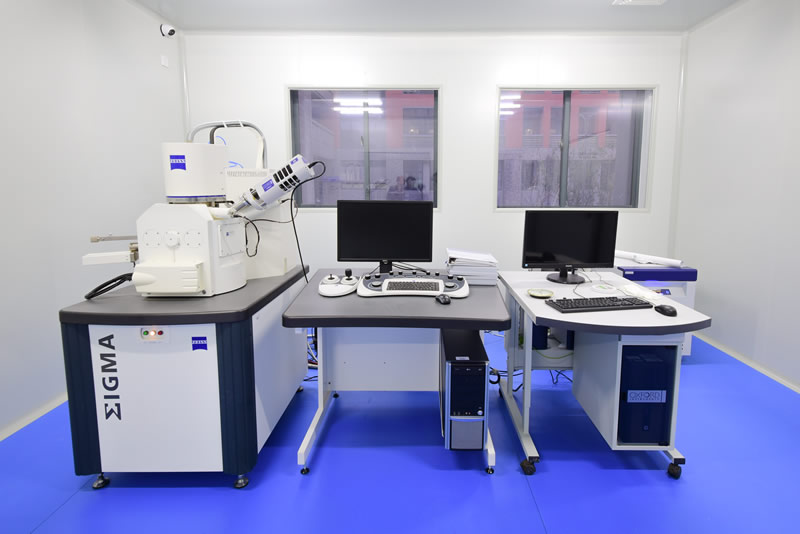 大型表征仪器
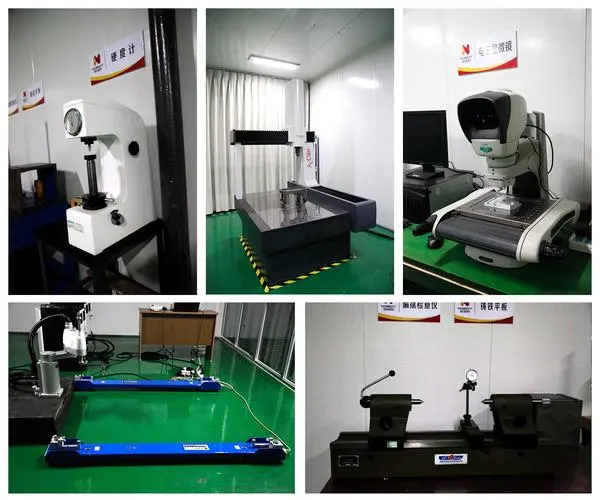 小型测试设备