Transition metal diselenides, like the commonly used space lubricant material MoS 2, exhibit significant potential in the field of solid lubrication due to their layered structure and low shear strength. In this work, we employed High-Power Impulse Magnetron Sputtering (HiPIMS) to deposit NbSe 2, MoSe 2, and WSe 2 thin films, systematically investigating their film-forming characteristics, mechanical properties, and tribological responses in different environments (ambient atmosphere, high vacuum, and simulated CO 2-rich Martian low-pressure atmosphere). Experimental results indicate that all three films possess a dense microstructure, with a hardness of no less than 2.9 GPa and an elastic modulus exceeding 53 GPa. Tribological tests reveal a significant influence of the atmospheric environment on film performance. In the simulated CO 2-rich Martian environment, the friction coefficients of transition metal diselenide films decreased markedly compared to those under vacuum. Especially, WSe 2 films achieving an ultralow friction coefficient of 0.014 under a 10 N load, with significantly decreased wear rates (0.39 × 10 -7 mm 3·N -1·m -1). First-principles calculation, TEM and XPS analyses reveal that CO 2 facilitates the formation of a more ordered and lamellar interfacial lubricating layer and enhances the continuity of transfer films, NbSe 2 forms a niobium-rich transition layer that strengthens transfer film adhesion specifically, which are key mechanisms governing the friction coefficient and wear behavior.
周老师: 13321314106
王老师: 17793132604


邮箱号码: lub@licp.cas.cn





 润滑剂
润滑剂
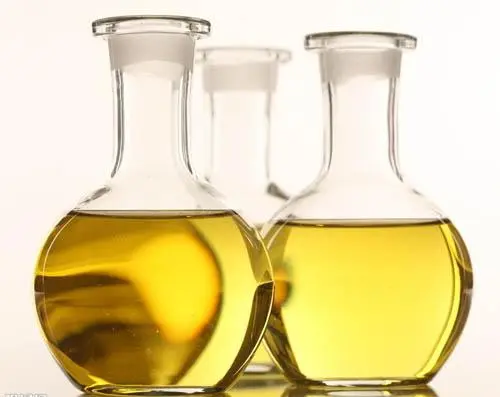 润滑油添加剂
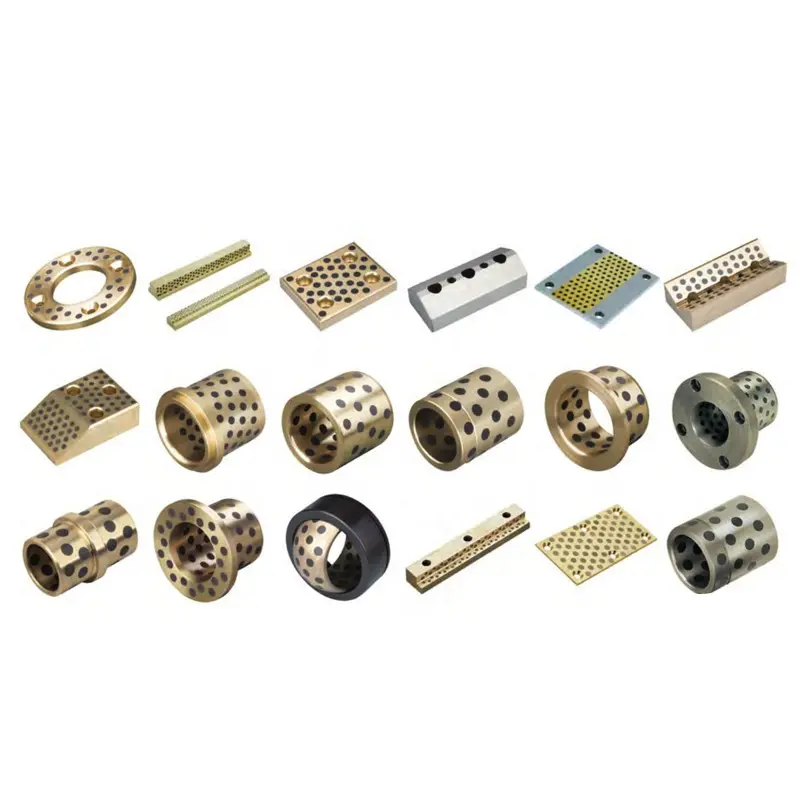 自润滑材料
自润滑材料
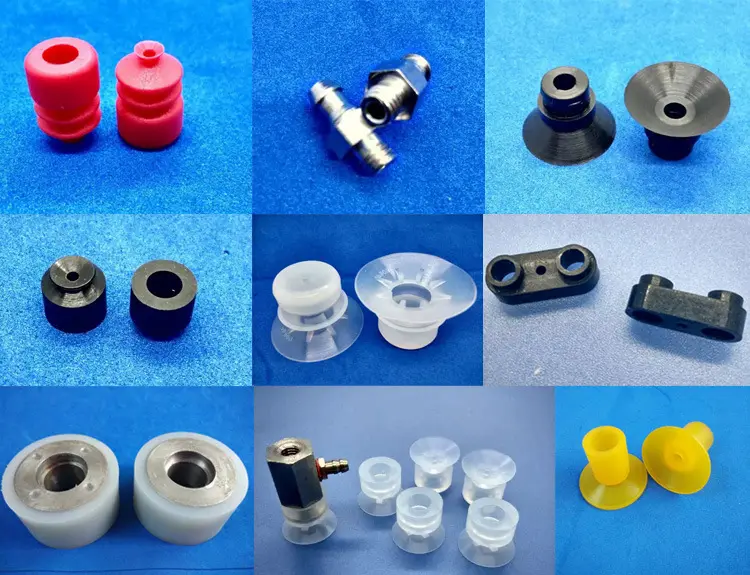 密封材料
密封材料
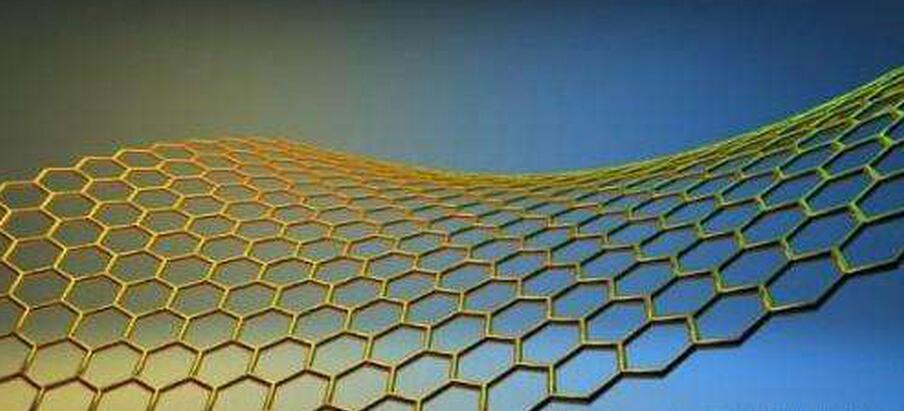 新兴材料
新兴材料
 加工设备
加工设备
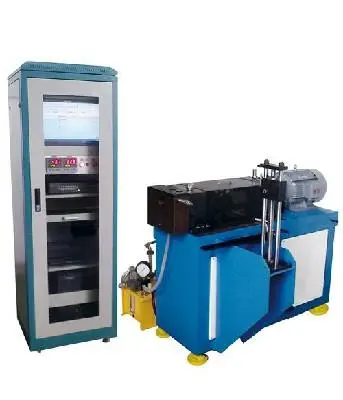 摩擦试验机
摩擦试验机
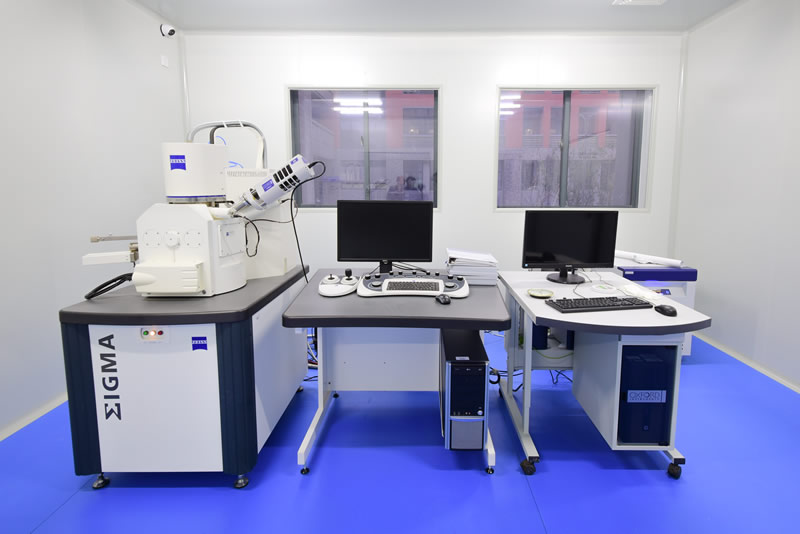 大型表征仪器
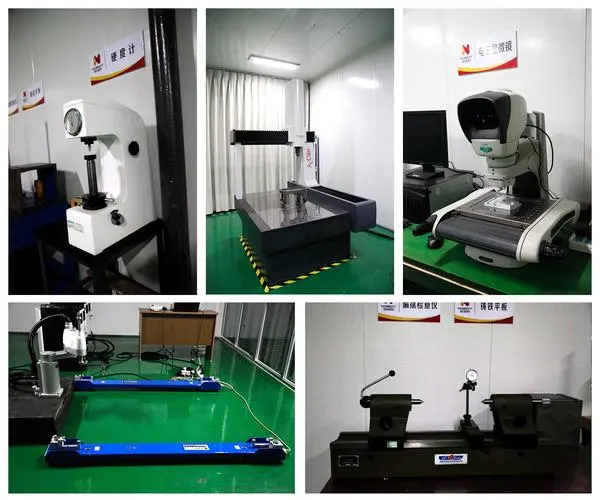 小型测试设备