High-entropy alloy (HEA) coatings, which are rooted in the design of materials with multiple principal elements, offer exceptional resistance to wear, corrosion, and heat, thus addressing the urgent need for surface protection in aerospace, marine, and energy applications. Magnetron sputtering is an effective and controllable technique for fabricating high-entropy coatings (HECs) with precise compositional adjustments and uniform microstructures. The performance of HECs prepared by this method strongly depends on the deposition parameters that govern plasma behavior, atomic diffusion, and phase formation. Previous studies in this field were systematically reviewed, and the effects of key process parameters (such as the substrate bias, cathode power, working pressure, substrate temperature, and reactive gas flow) on the coating composition, structure, and tribological performance were summarized. An in-depth review and analysis of previous studies led to the following conclusions: (1) Among these parameters, the substrate bias and cathode power dominate the energetic state and texture evolution of the coating, whereas the reactive gas flow mainly regulates the bonding configuration and phase composition. (2) High-entropy carbides and carbide nitrides exhibit superior tribological performance, characterized by wear rates of approximately 10 −8 mm 3 N −1 m −1, owing to the synergistic coexistence of hard load-bearing and lubricating phases. In the future, building standardized data ecosystems and integrating machine learning with multifield coupling analysis can open new pathways for intelligent, self-lubricating, and adaptive HECs, paving the way toward next-generation surface engineering for extreme environments.
周老师: 13321314106
王老师: 17793132604


邮箱号码: lub@licp.cas.cn





 润滑剂
润滑剂
 润滑油添加剂
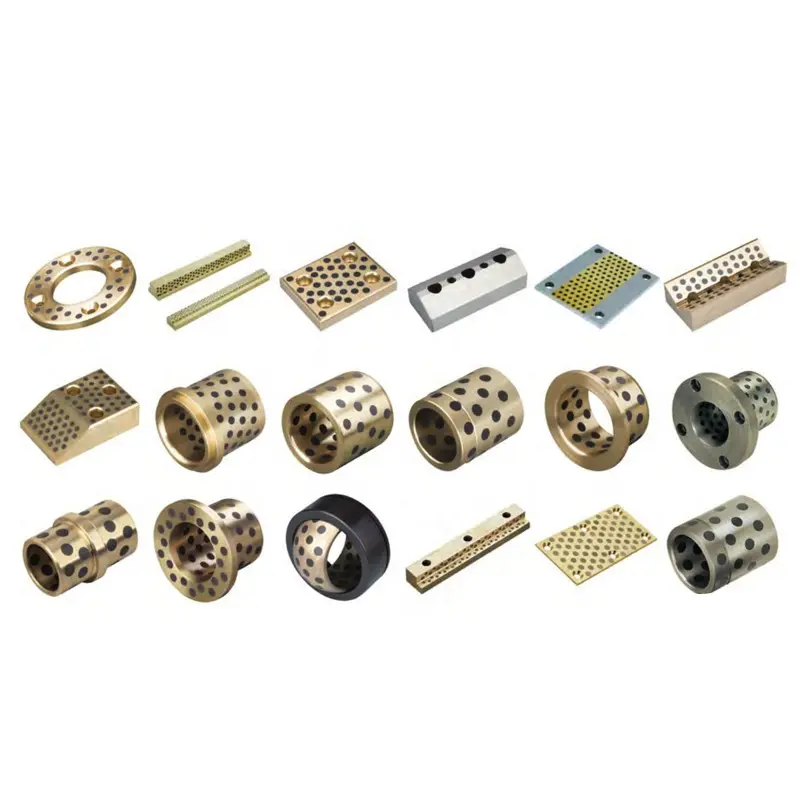 自润滑材料
自润滑材料
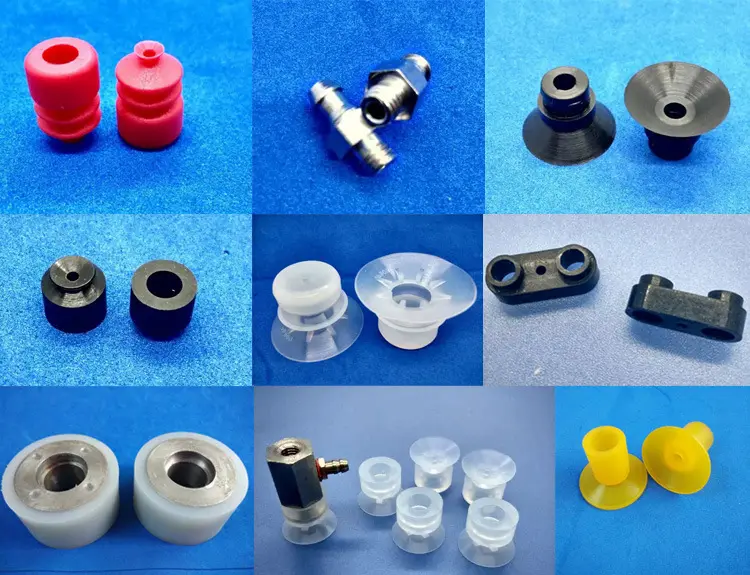 密封材料
密封材料
 新兴材料
新兴材料
 加工设备
加工设备
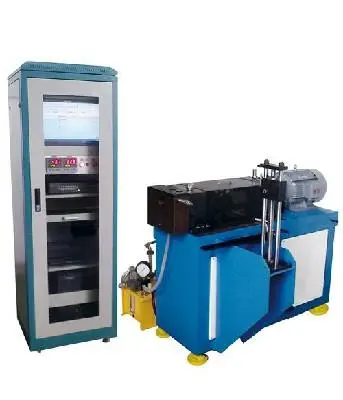 摩擦试验机
摩擦试验机
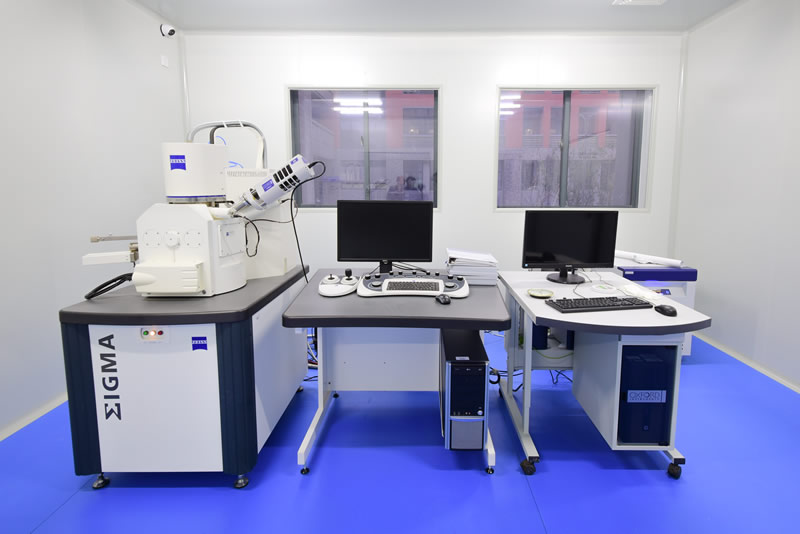 大型表征仪器
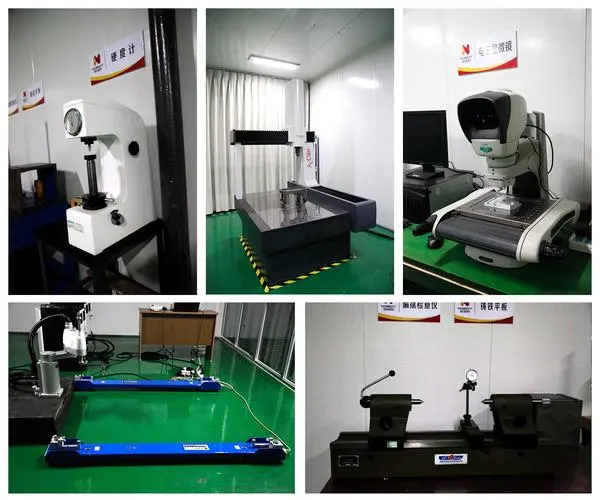 小型测试设备