High entropy alloys (HEAs) exhibit many promising physical and mechanical properties owing to either a single-phase solid solution or a combination of multiple phases, such as eutectic HEAs (EHEAs). In their bulk form, EHEAs with face-centered cubic (FCC) and body-centered cubic (BCC) phases have depicted superior wear, corrosion, and oxidation resistance along with good thermal stability. Hence, for many applications, the EHEA coatings are highly desirable. Cold spray (CS) process has emerged as an alternative to conventional thermal spray processes, such as high-velocity oxygen fuel (HVOF) spray and air plasma spray (APS) for depositing metallic coatings. Unlike thermal spray techniques, cold spray enables solid-state deposition, preserving the feedstock microstructure and producing dense, oxide-free coatings. In this study, we employ the cold spray and thermal spray techniques (both HVOF and APS) to fabricate dual-phased AlCoCrFeNi 2.1 EHEA coatings. Further, we compare their wear behavior under ambient conditions with a benchmark CS CoNiCrAlY coating. The CS EHEA coating shows a lower coefficient of friction ( m » 0.5) than the HVOF and APS EHEA ( m » 0.6) coatings and similar m as the CS CoNiCrAlY coating. Furthermore, the CS EHEA coatings show a reduced wear rate (~2′10 −4 mm 3/Nm) than the CS CoNiCrAlY coating (~4′10 −4 mm 3/Nm), which is attributed to its preserved eutectic microstructure and enhanced wear resistance from in-situ tribo-oxidation. By understanding the wear behavior of the cold spray and thermal spray EHEA coatings, this study creates a foundation for their wear-resistant applications.
周老师: 13321314106
王老师: 17793132604


邮箱号码: lub@licp.cas.cn





 润滑剂
润滑剂
 润滑油添加剂
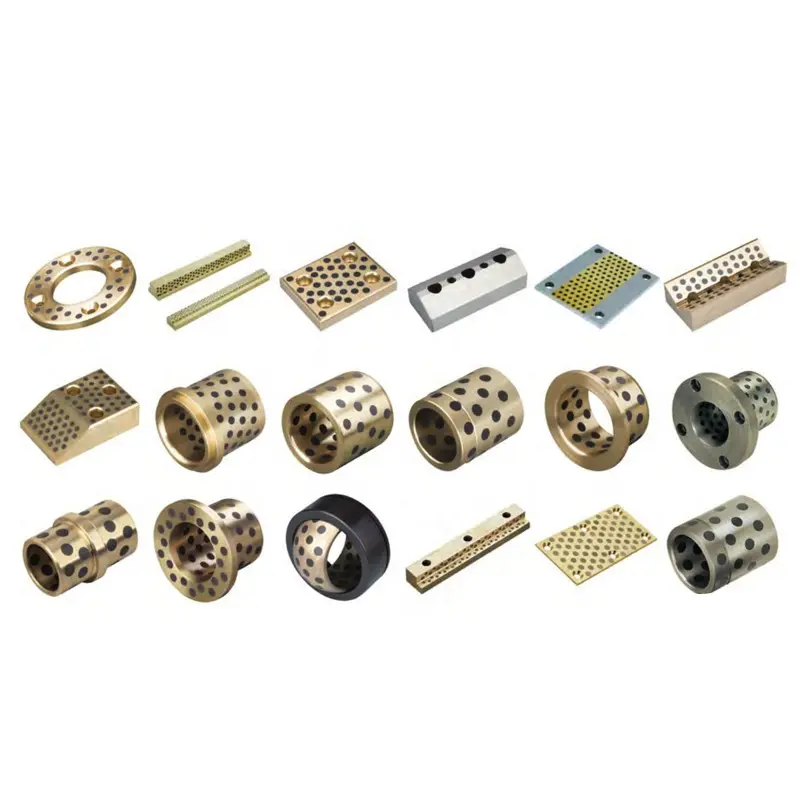 自润滑材料
自润滑材料
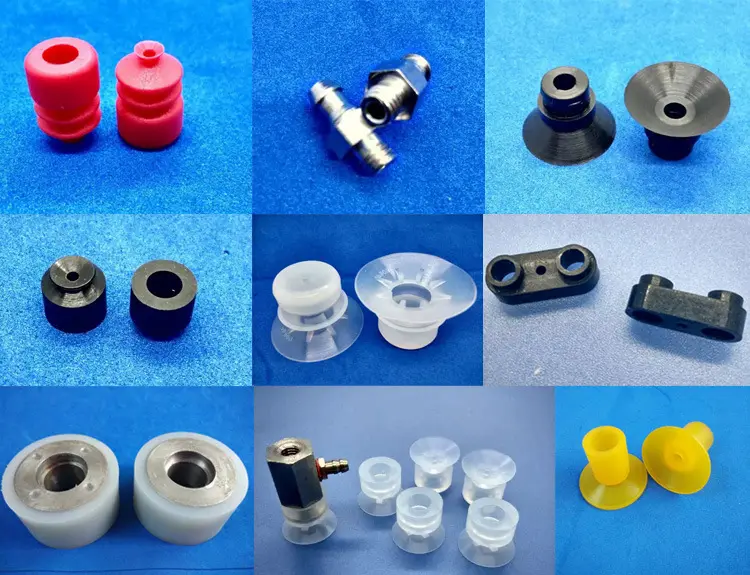 密封材料
密封材料
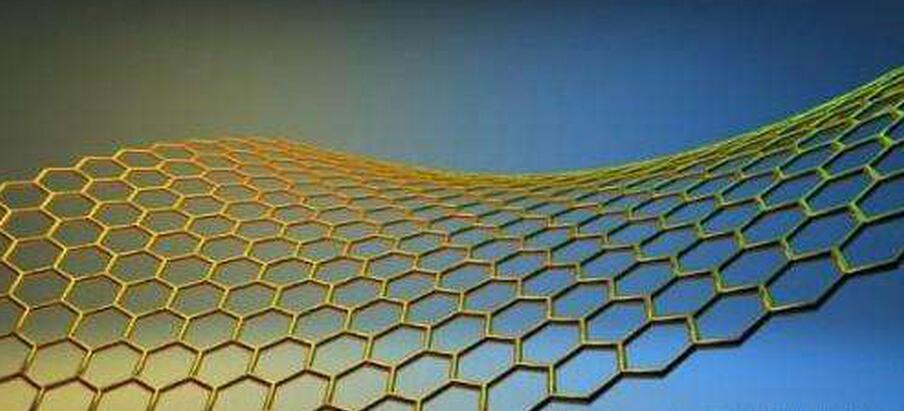 新兴材料
新兴材料
 加工设备
加工设备
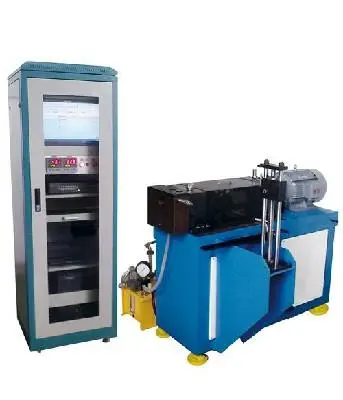 摩擦试验机
摩擦试验机
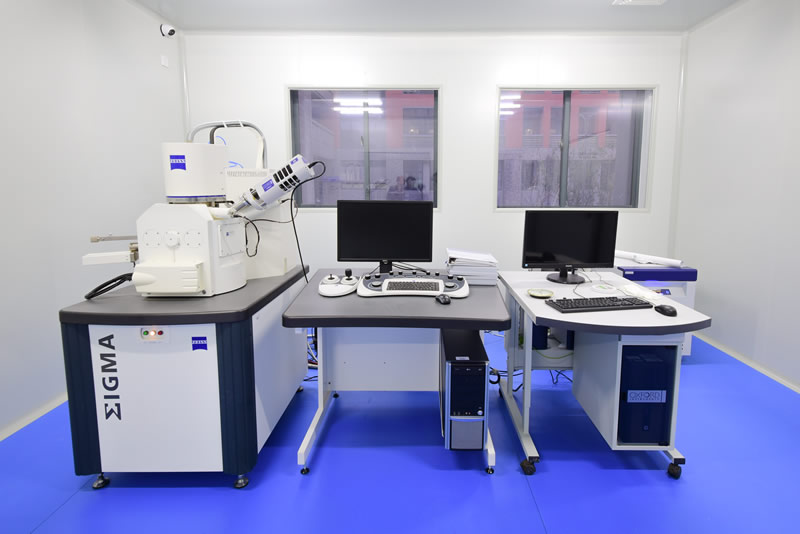 大型表征仪器
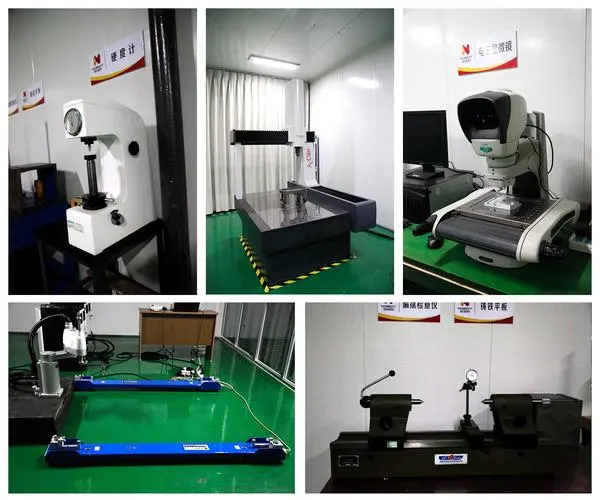 小型测试设备