Developing durable coatings that sustain long-term antifouling activity is critical for the reliable operation of ocean monitoring systems in biologically complex marine environments. Here, we report a heterogeneous-network slippery liquid-infused porous surface (SLIPS) coating engineered through a molecular design strategy. This design integrates a low-surface-energy rigid framework with a dynamic, self-healing soft network. The rigid framework is formed by a cross-linked network of thiol-functionalized polyhedral oligomeric silsesquioxane (POSS-(SH)8) and fluorinated liquid nitrile rubber (F13-LNBR). The soft network is based on a three-arm cross-linked structure constructed from hexamethylene-diisocyanate isocyanurate trimer (THDI) and 2-ureido-4[1H]-pyrimidinone (UPy) units. Infused with silicone oil, the coating exhibits robust mechanical strength, demonstrated by an erosion rate of 74.37 nm/s, and autonomous self-healing capability enabled by multiple hydrogen bonds in both aerial and underwater conditions. Remarkably, the release rate of the silicone oil and the uniformity of surface hydrophobicity are precisely regulated by incorporating UPy units with tailored molecular structures and perfluoroacrylate monomers with varying hydrophobic chain lengths. Owing to these rational design elements, the coating repels a broad spectrum of fouling agents, including bacteria, algae, and highly viscous crude oil, while maintaining excellent flexibility and wear resistance. During a 90-day field test in real seawater, the coating's transmittance decreased by only 5.8%. This synergistic design addresses key limitations in current SLIPS technologies, offering a viable pathway toward long-term antifouling performance in challenging marine environments.
周老师: 13321314106
王老师: 17793132604


邮箱号码: lub@licp.cas.cn





 润滑剂
润滑剂
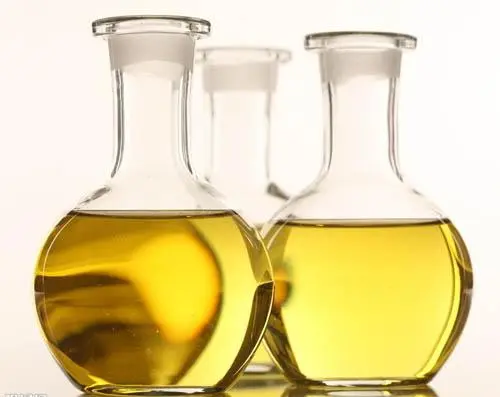 润滑油添加剂
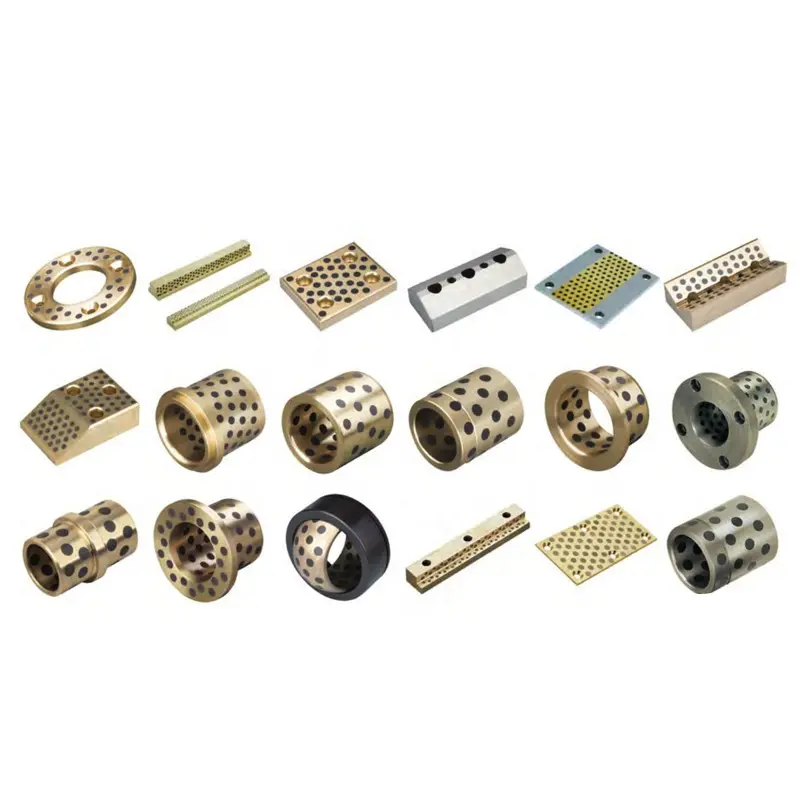 自润滑材料
自润滑材料
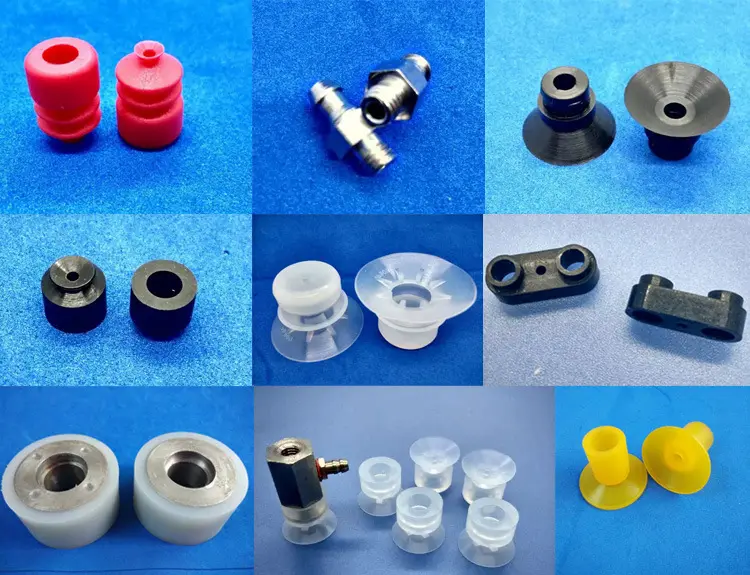 密封材料
密封材料
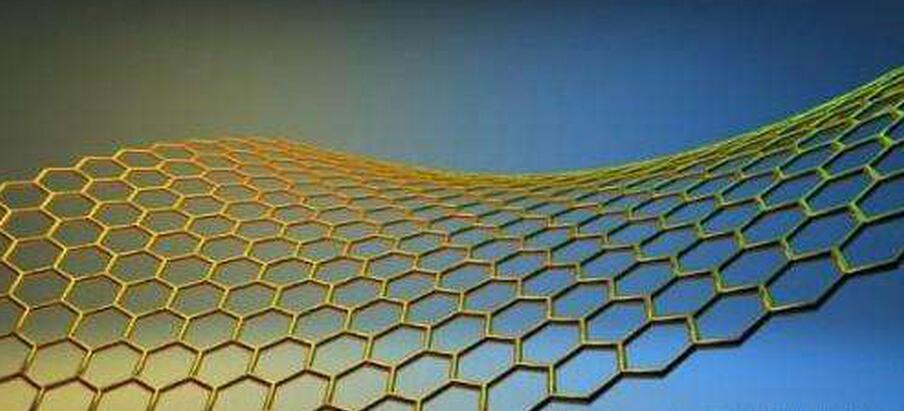 新兴材料
新兴材料
 加工设备
加工设备
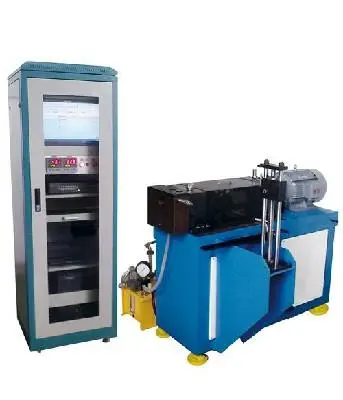 摩擦试验机
摩擦试验机
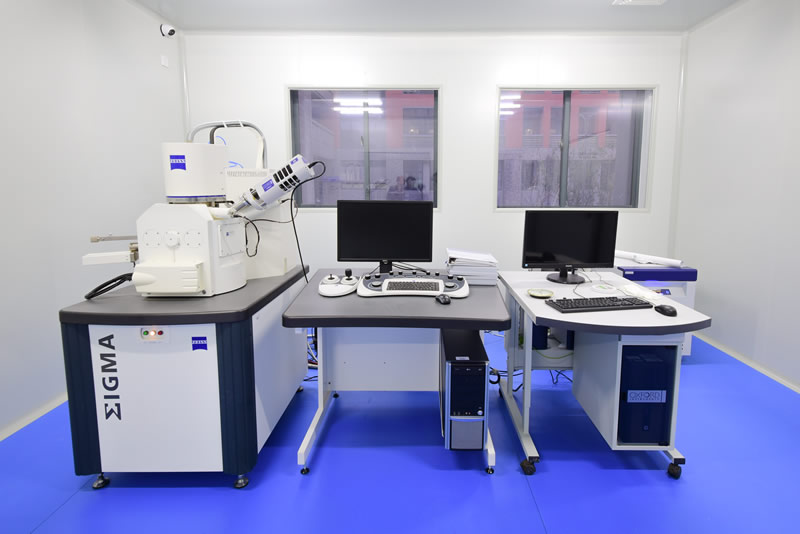 大型表征仪器
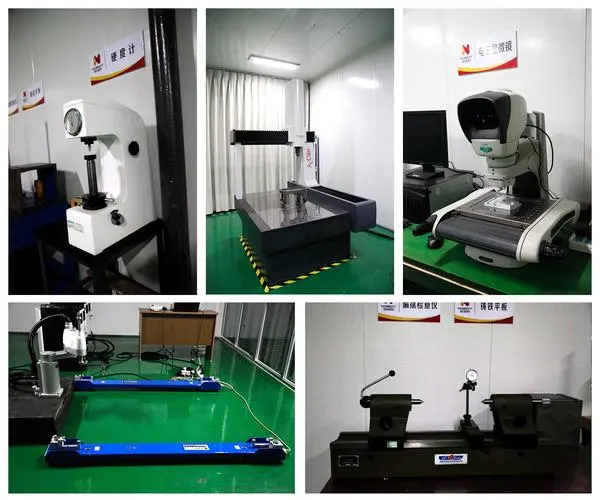 小型测试设备