As potential cartilage replacement materials, hydrogels face the challenge of integrating lubrication, mechanical strength, and bioactivity. To overcome this, this study fabricated a polyvinyl alcohol (PVA)/chitosan (CS)/nano-hydroxyapatite (nHA) nanocomposite hydrogel by freeze-thaw cycling, followed by secondary reinforcement via a salting-out effect induced by immersion in a sodium citrate solution. The chelation-mediated mechanically interlocked network formed among nHA, PVA, and CS imparts high load-bearing capacity. Meanwhile, the synergistic effects of topological entanglement and hydration lubrication between PVA and CS confer exceptional lubricity. This coupled “mechanical interlocking–hydration lubrication” system achieves an ultra-low friction coefficient of ~0.026 and withstands high contact stress up to ~3 MPa in calf serum. Remarkably, this performance is maintained over 100,000 cycles. Fabricated from fully biocompatible materials, the hydrogel also exhibits high cytocompatibility. Collectively, this study presents a viable and promising design strategy for developing advanced cartilage replacement materials.
周老师: 13321314106
王老师: 17793132604


邮箱号码: lub@licp.cas.cn





 润滑剂
润滑剂
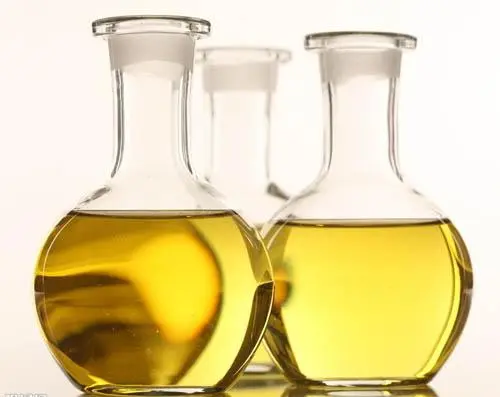 润滑油添加剂
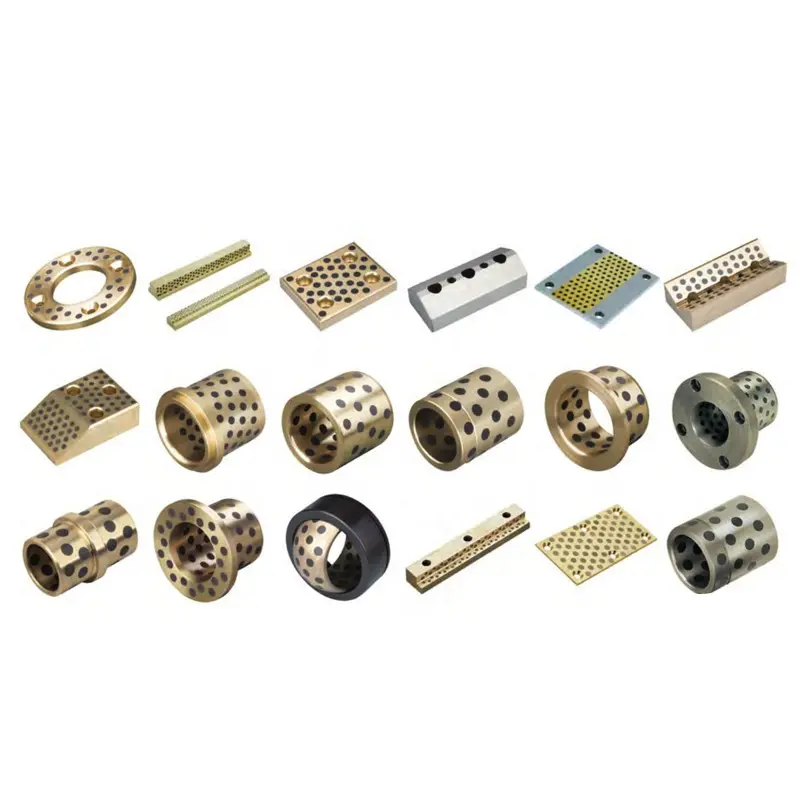 自润滑材料
自润滑材料
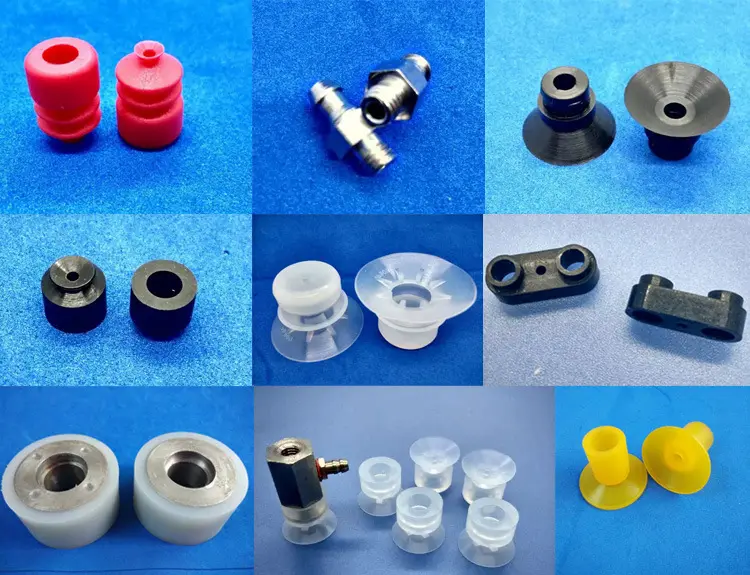 密封材料
密封材料
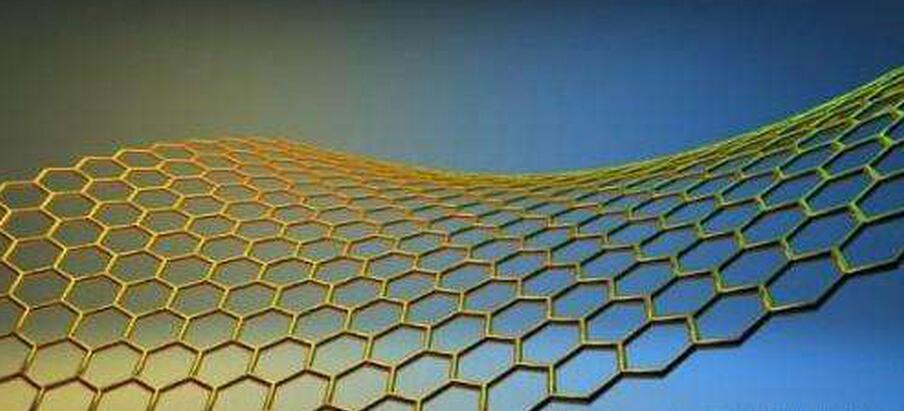 新兴材料
新兴材料
 加工设备
加工设备
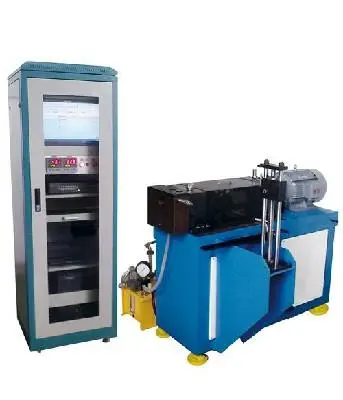 摩擦试验机
摩擦试验机
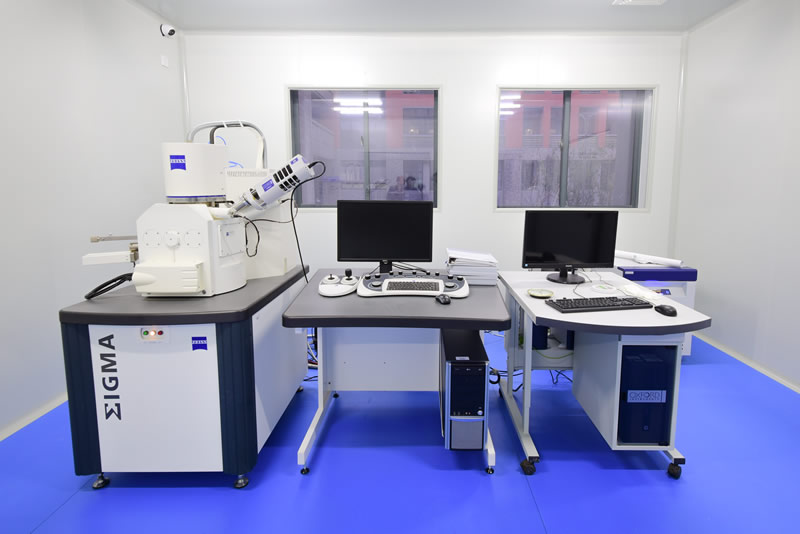 大型表征仪器
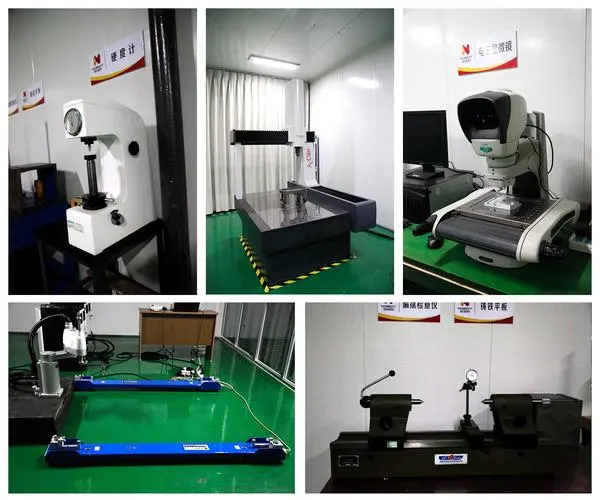 小型测试设备