Ammonia (NH3) is increasingly viewed as a next-generation carbon-free fuel; however, its high volatility and toxicity make continuous, energy-autonomous leak monitoring essential for safe deployment. Here, we present a fully self-powered ammonia sensing system that integrates broadband vibration energy harvesting with atomic-scale interface engineering. A stacked triboelectric vibration energy harvester (T-VEH) efficiently converts stochastic mechanical vibrations from ship engines into continuous electrical power (6.423 mW kg−1), maintaining stable output over 200 h of operation. This sustainable energy source drives an MXene-SnO2 heterostructured sensor, in which atomic Ti─O─Sn bridges and abundant oxygen vacancies create a strong built-in electric field that accelerates charge transfer and O2 activation, achieving ppb-level (5.17 ppb) NH3 detection at room temperature with high selectivity. Field deployment aboard ammonia-fueled test vessels demonstrates real-time, wireless spatial mapping of NH3 concentration under realistic vibration and humidity conditions, without external power input. By integrating ambient-energy transduction with atomic-level interface design, this vibration-to-sensing architecture provides a scalable framework for autonomous chemical monitoring, transforming otherwise wasted mechanical energy into intelligent safety power for next-generation maritime infrastructure.
周老师: 13321314106
王老师: 17793132604


邮箱号码: lub@licp.cas.cn





 润滑剂
润滑剂
 润滑油添加剂
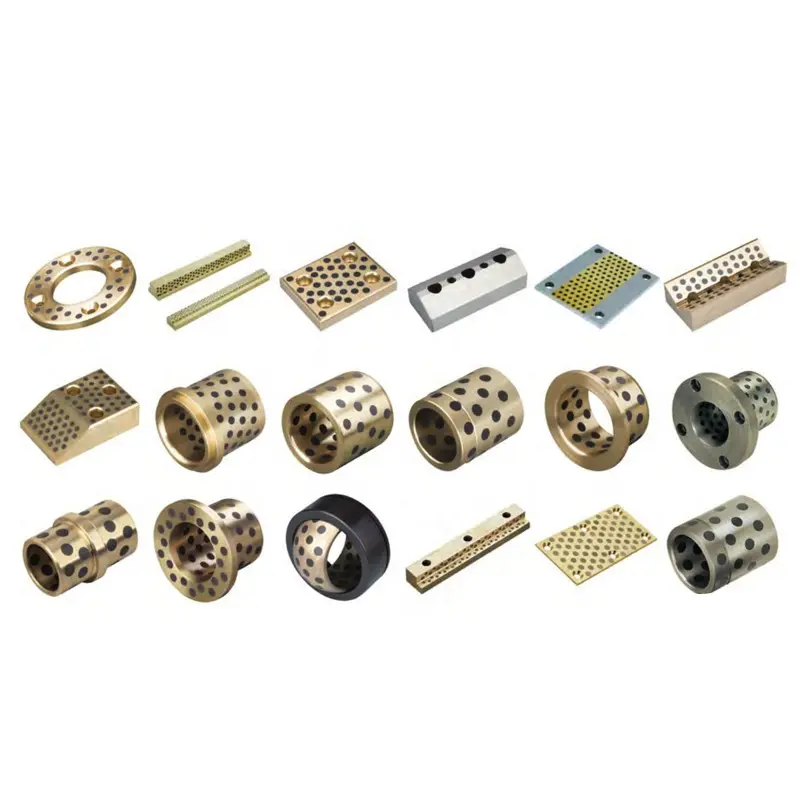 自润滑材料
自润滑材料
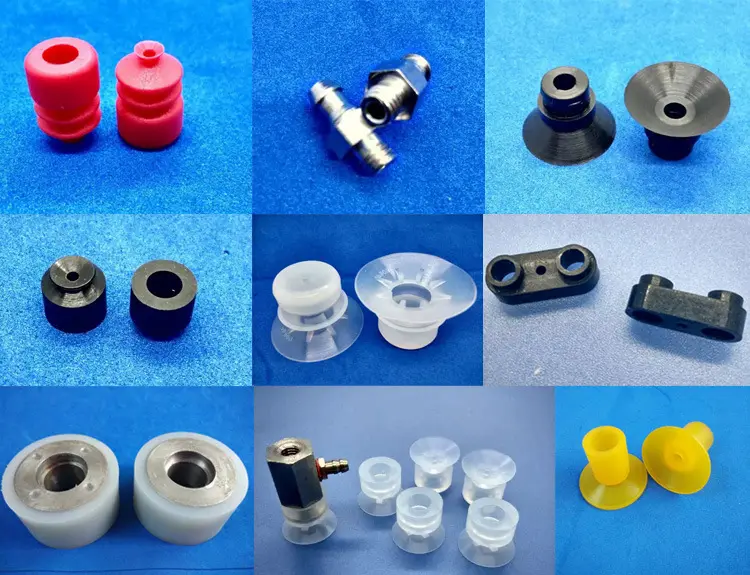 密封材料
密封材料
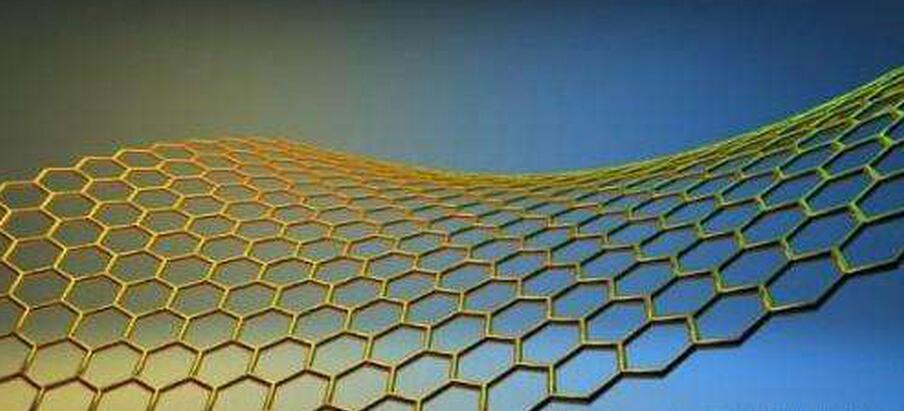 新兴材料
新兴材料
 加工设备
加工设备
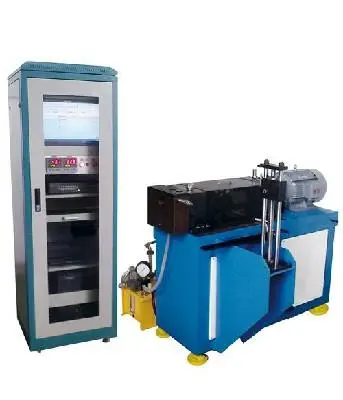 摩擦试验机
摩擦试验机
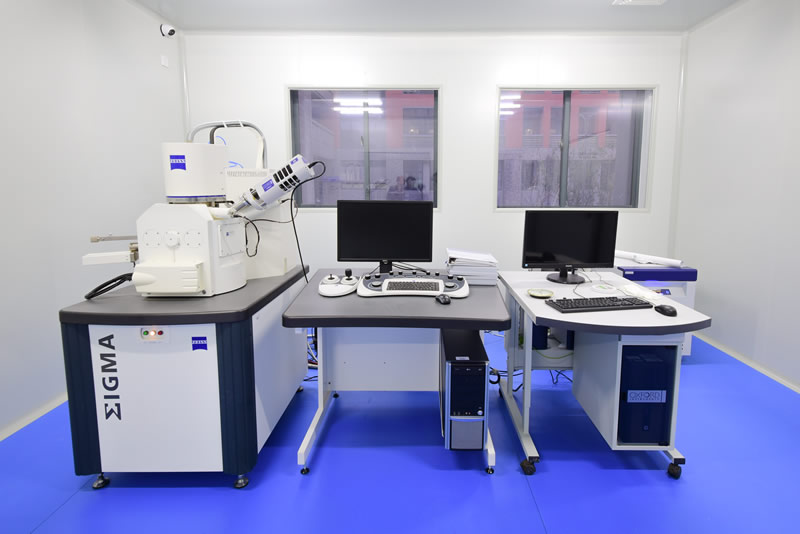 大型表征仪器
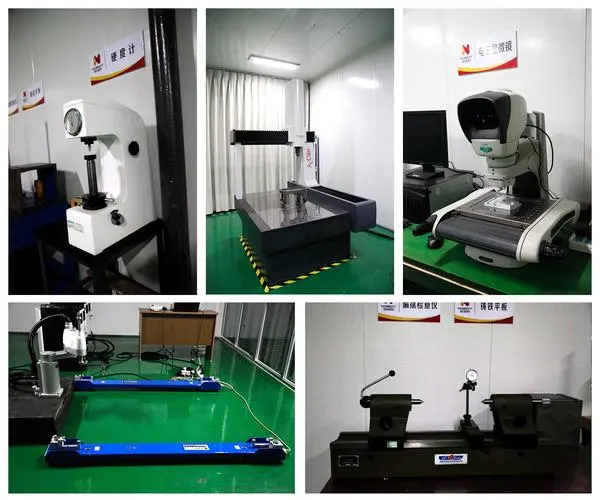 小型测试设备