Perovskite solar cells (PSCs) have achieved remarkable power conversion efficiencies (PCE) exceeding 27%, while their operational instability under environmental stress (e.g., moisture, heat, mechanical bending) remains a critical barrier to commercialization. Self-healing polymers (SHPs) with dynamic covalent bonds or non-covalent bonds have emerged as an innovative solution to enhance the durability of PSCs through autonomous damage healing. Although SHPs have been proved to be quite promising for enhance the reliability of PSCs, there is still lacking systematic molecular design strategies tailored for practical cooperation SHPs with versatile types of PSCs. Herein, this review systematically organizes the recent research progress of self-healing PSCs from the perspective of application-oriented design principles. The self-healing mechanisms of PSCs using SHPs under chemical and mechanical damage modes are first comprehensively explored, and a multi-dimensional self-healing evaluation system is proposed. Subsequently, the distinct effects of SHPs as additives, interfacial modifiers, and encapsulation materials in PSCs are summarized. More importantly, the incorporation methods of SHPs in PSCs and the structural characteristics of representative SHPs are systematically analyzed, with application-specific design principles for optimized performance proposed. Finally, the challenges and opportunities in the optimization of self-healing material properties, in situ characterization techniques, and scalable fabrication are outlined. This work aims to facilitate the transition of SHP-based self-healing PSCs from laboratory research to real-world applications, providing a roadmap for future developments in this emerging field.
周老师: 13321314106
王老师: 17793132604


邮箱号码: lub@licp.cas.cn





 润滑剂
润滑剂
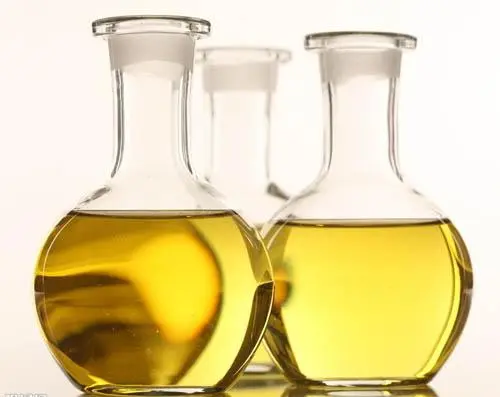 润滑油添加剂
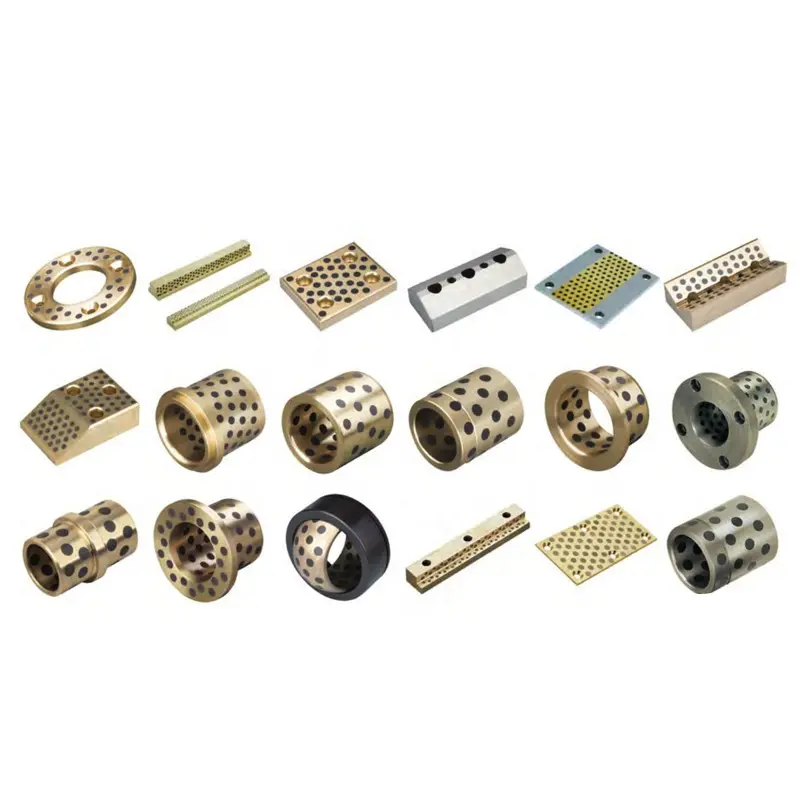 自润滑材料
自润滑材料
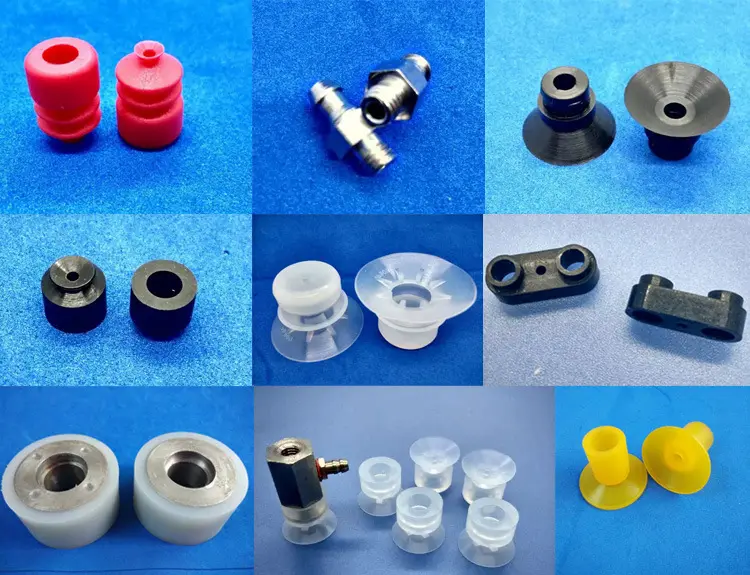 密封材料
密封材料
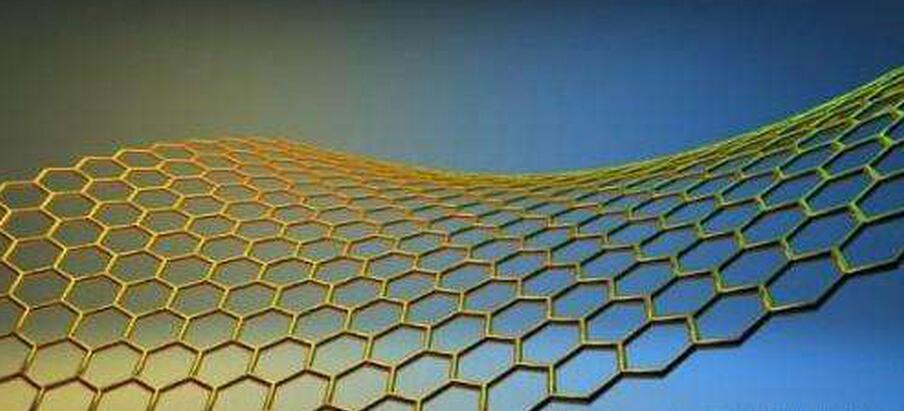 新兴材料
新兴材料
 加工设备
加工设备
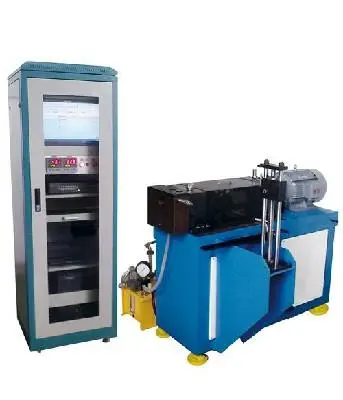 摩擦试验机
摩擦试验机
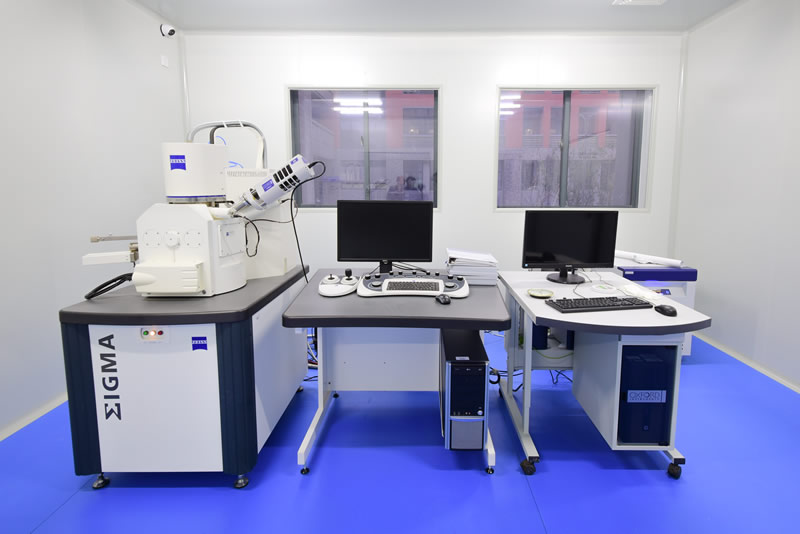 大型表征仪器
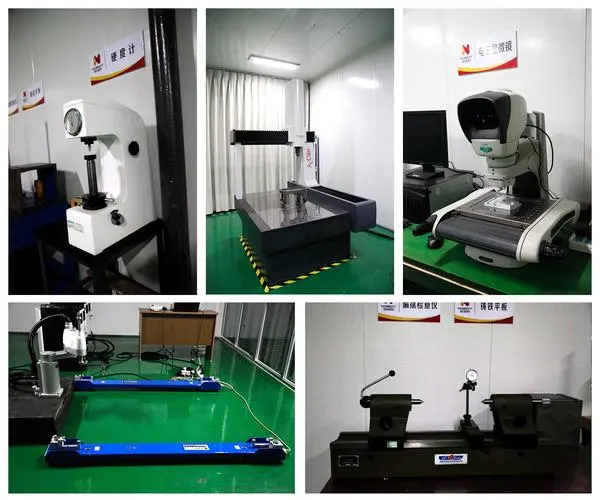 小型测试设备